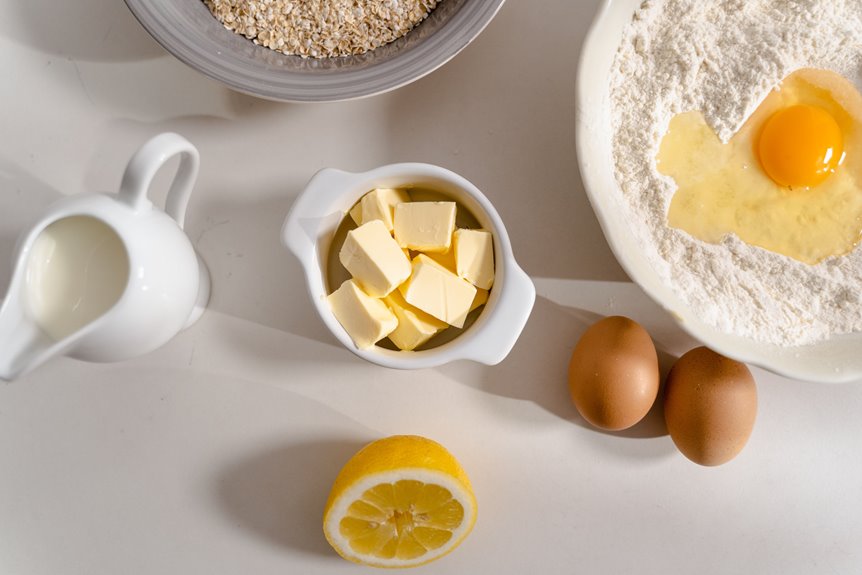
Traditional funnel cake relies on several animal-derived ingredients that need to be swapped out. The batter typically contains dairy milk for moisture and binding, eggs for structure, and butter for richness. All of these can be replaced.
The frying fat can hide animal products; many vendors use lard or oil cross-contaminated with meat. Powdered sugar and vanilla sometimes contain bone char. Once you identify these ingredients, creating a vegan version becomes straightforward.
What Makes Funnel Cakes Non-Vegan?
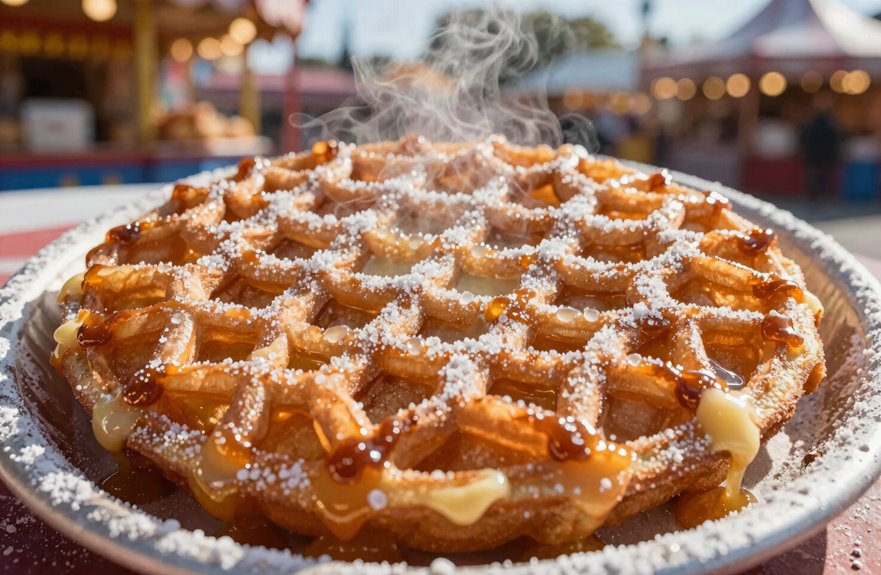
Why do funnel cakes taste so indulgent? The answer is dairy milk.
The secret to funnel cakes’ irresistible indulgence? It all comes down to rich, creamy dairy milk.
Traditional recipes rely on eggs, butter, and creamy dairy milk to create the velvety batter we know. When you mix flour, sugar, salt, and baking powder, you’re building the foundation, but the wet ingredients seal the deal. One cup of dairy milk binds everything together.
Many cooks don’t realize they’re using animal products twice: in the batter and in the fryer. Some restaurants use lard or dairy-based frying fats. Even that powdered sugar might hide non-vegan stabilizers.
Read labels carefully. Check if baking powder is aluminum-free, but also examine what surrounds it. Navigating ingredient lists ensures you can enjoy fair-worthy treats without hidden animal products.

Versatile & Fun Dessert Option – Whether for birthdays, holidays, or casual gatherings, this mix allows you to create a sweet and crispy treat that will delight everyone, from kids to adults.

1 - 5lb box of Krusteaz Funnel Cake Mix

How to Make Vegan Funnel Cake That Tastes Like the Fair
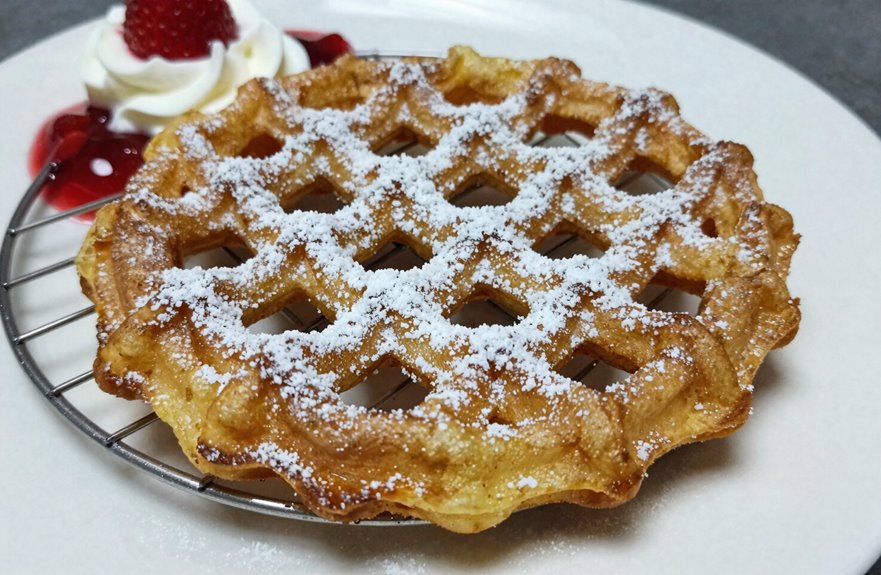
How do you capture that crispy, airy magic without a single egg or drop of cow’s milk? Swap regular milk for creamy plant-based milk, oat works beautifully, and use a simple vegan egg substitute like fresh flax gel. Rest your batter ten minutes. Short resting relaxes the gluten. Keep it pourable, like pancake batter. Too thick, and you’ll get doughy centers. Fry at 375°F, creating that signature lace without eggs binding everything together. Top with powdered sugar. Nothing is missing.
| Element | Substitution | Why It Works |
|---|---|---|
| Liquid | Plant-based milk | Fat content mimics dairy richness |
| Binder | Vegan egg substitute | Structuring without animal products |
| Texture | Resting period | Develops tenderness through hydration |
| Exterior | Hot oil frying | Maillard reaction creates crisp shell |
| Finish | Powdered sugar | Classic fair flavor, fully vegan |
Consistency matters most. Overload your batter with oil, and you’ll taste the fryer. Follow the process. You’re making fair food your own way.

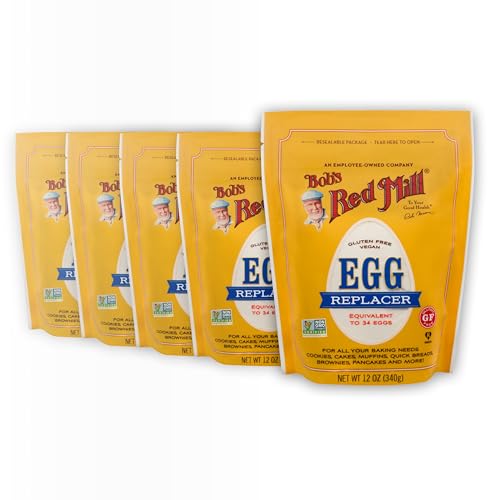
Versatile Egg Alternative: Bob's Red Mill Egg Substitute provides a versatile solution for recipes that traditionally require eggs, catering to those with dietary restrictions. One bag contains the equivalent of 34 eggs, and can be used to replace whole eggs, yolks or whites in baking

EGG REPLACER Vegan Egg Replacer for baking mimics what eggs do in recipes to bind baked food together, but it’s completely egg-free.
Egg Substitutes That Actually Work in Funnel Cake Batter
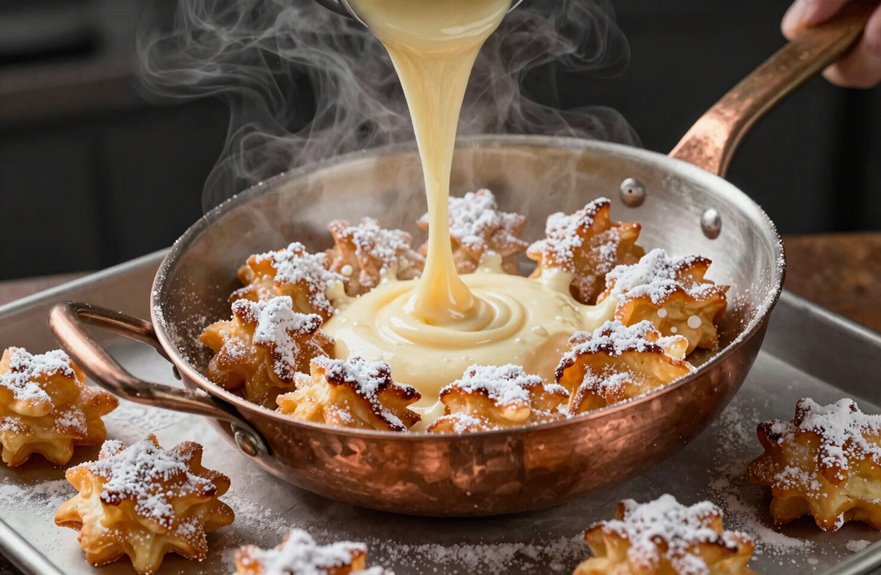
Where do you even begin when eggs are off the table? I’ve tested countless egg substitutes in vegan funnel cake batter, and reliable options exist. Ground flaxseed works beautifully: mix 1 tablespoon with 3 tablespoons water per egg and let it gel for 5–15 minutes. Unsweetened applesauce (¼ cup per egg) adds binding without funky flavors. Commercial egg replacers using starch or chickpea flour substitute 1:1 and keep structure intact. Aquafaba, my preferred option, uses 3 tablespoons of that chickpea liquid to mimic egg whites perfectly for leavening. Whisk your substitute thoroughly and rest it briefly; this patience pays off in texture. These methods create vegan funnel cake batter that holds together, rises properly, and tastes authentically indulgent.

NON-DAIRY PROTEIN SHAKE MADE WITH REAL ALMONDMILK: A rich and creamy plant-based protein shake crafted with almondmilk for a creamy vanilla bliss flavor without the cream. A delicious alternative to traditional dairy and whey-based protein shakes.
NON-DAIRY PROTEIN SHAKE MADE WITH REAL ALMONDMILK: A rich and creamy plant-based protein shake crafted with almondmilk for a rich, crave-worthy cocoa flavor. A delicious alternative to traditional dairy and whey-based protein shakes.

NO OILS, NO GUMS: Califia Organic Almondmilk is made with just three simple ingredients without the need for oils or gums. Just shake it up and enjoy!
The Best Dairy-Free Milk for Vegan Funnel Cakes

Once you’ve got your egg situation sorted, the milk is where things get interesting. I’ve tested them all, and the results are clear.
Soy milk wins on structure. Its protein content mimics dairy, giving your batter real backbone. But my two go-tos are almond milk and oat milk.
Almond milk keeps things neutral and light. Grab it when you want that classic funnel cake flavor without competing notes. Just add a tablespoon of oil; this prevents crumbly, dense results.
Oat milk delivers a creamy texture. The natural starches create an almost custard-like tenderness inside while your edges still crisp beautifully.
Whichever you choose, go unsweetened and unflavored. Fortified versions with emulsifiers blend smoother. Skip the vanilla variants because they darken weirdly in hot oil.

Traditional and Simple: La Tourangelle Organic Canola Oil is a high quality addition to your everyday cooking. From frying to sautéing, blended salad dressings or sauces, the possibilities are as limitless as your own creativity.
HEALTH BENEFITS: AVO ORGANIC 100% Vegetable Oil is minimally processed, and NO harmful chemicals are used in the oil extraction process. Our vegetables oil is Certified ORGANIC, is a Cholesterol Free oil, and does not contain Trans Fats.

Does Vegan Funnel Cake Taste as Good? Side-by-Side Comparison
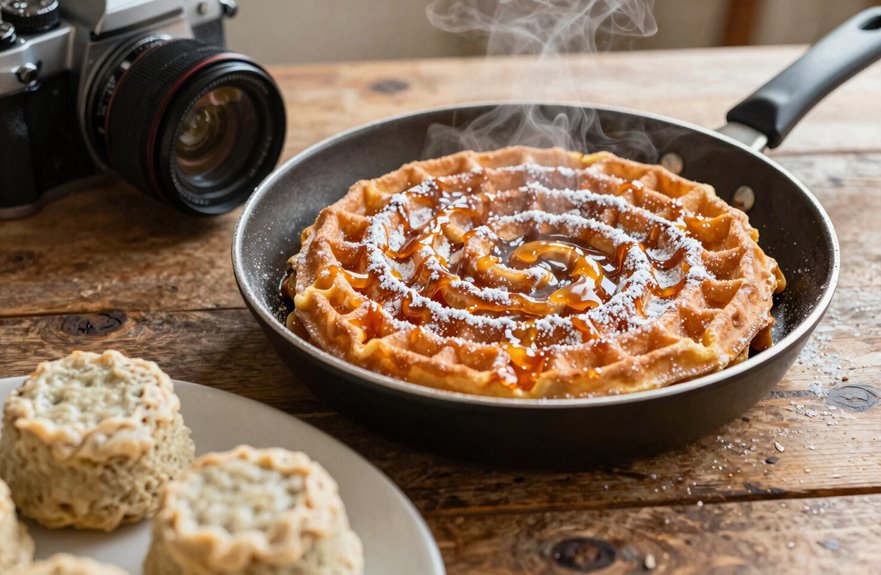
Can you really fool your taste buds with a vegan funnel cake? I’ve done the side-by-side test, and the results are clear.
I start with plant-based milk and oil instead of dairy and eggs. The batter rests fifteen minutes, which affects the final texture. When I fry at 375°F, the browning happens fast. Oil creates that crispy exterior, though the crumb feels slightly less tender than butter-based versions.
The flavor profile is nearly identical. Vanilla and sugar dominate both, but my vegan batches taste milder without egg richness. I add an extra splash of milk and a pinch more baking powder for lift.
In blind tastings with my friends, most couldn’t tell the difference. The texture satisfies that crunchy-yet-soft craving we all want from fair food. You won’t feel left out of the experience.

Our Baking Powder Makes The Lightest, Fluffiest Cakes, Quick Breads And Baked Goods

TEXTURE & FLAVOR - Our baking powder helps create the perfect texture in your baked goods, making them soft, tender, and delicious. Whether you're baking cookies, cakes, bread, muffins, or even using our baking powder for cooking, it will deliver consistent and reliable results every time.

Hidden Animal Products: Powdered Sugar, Vanilla, and Frying Oil
I’ll start by examining how two seemingly innocent ingredients, powdered sugar and vanilla extract, can secretly derail your vegan funnel cake ambitions. Bone char, derived from cattle bones, often bleaches conventional powdered sugar during processing, while vanilla’s alcohol and glycerin carriers frequently originate from animal sources rather than plants. Reading labels carefully will help you identify these hidden animal products before they compromise your carnival treat.

9.6 ounces including pitcher and batter

Complete Deluxe Kit: This all-inclusive funnel cake kit contains everything you need to create authentic carnival-style funnel cakes at home, including 2 packages of original funnel cake mix, a specially designed pitcher with unique spout, a fry ring for perfect shaping, and durable cooking tongs for safe handling

Authentic Carnival Experience: Bring the excitement of the county fair right into your kitchen with this premium funnel cake mix that recreates the classic taste and texture of traditional carnival funnel cakes
Powdered Sugar Processing
Where exactly does your powdered sugar come from?
Your innocent-looking powdered sugar might have taken a detour through animal bones. Many mainstream brands use bone char, which is literally heated cattle bones, to filter and whiten their product. It gives that pristine white color we expect, but it’s not plant-based.
Scanning labels carefully matters. When powdered sugar lists “cane sugar” without specifying filtration methods, the manufacturing process remains unclear. Some manufacturers use ion exchange or activated carbon instead, but they rarely advertise this clearly.
Beyond the bone char issue, certain anti-caking agents come from animal sources. Brands that display vegan certification provide transparency about their processing methods. Checking for these certifications helps you understand what you’re purchasing and supports companies with clearer ingredient sourcing.
Vanilla Extract Sources
Powdered sugar isn’t the only sneaky ingredient in your funnel cake batter. Vanilla extract can hide animal products too. Some brands use alcohol processed with animal derivatives or filter through bone char, just like that powdered sugar we already covered.
What I watch for:
| Ingredient | Hidden Issue | What I Check |
|---|---|---|
| Vanilla extract | Animal-derived alcohol or bone char filtering | “Vegan” label or certification |
| Powdered sugar | Bone char whitening | Organic or vegan-certified brands |
| Frying oil | Animal-based additives or processing aids | 100% plant-based verification |
I always read labels twice. Pure vanilla beans are usually safe. Cheap vanilla flavoring carries higher risk. Certified vegan vanilla extract ensures your funnel cake remains plant-based and allows you to enjoy the fair without compromising your dietary choices.
Cross-Contamination: When Your Vegan Funnel Cake Isn’t
How often do we assume “vegan” on a menu means truly animal-free? I’ve learned the hard way that vegan-frying-odds aren’t always in our favor.
Cross-contamination lurks everywhere. Shared equipment becomes the culprit:
- A kettle bubbling with oil that fried eggs hours ago
- Tongs lifting your batter after gripping dairy-laden clouds
- Skimmers trailing invisible proteins through supposedly clean pots
- Powdered sugar dusted from hands that touched butter sticks
When I order now, I ask about dedicated fryers. Same-line processing in busy facilities stacks risk upon risk. Those trace amounts have measurable effects. Your digestive system reacts to proteins and animal products even in microscopic quantities, causing real physical symptoms.

𝗩𝗘𝗚𝗔𝗡 𝗘𝗚𝗚 𝗦𝗨𝗕𝗦𝗧𝗜𝗧𝗨𝗧𝗘 𝗙𝗢𝗥 𝗕𝗔𝗞𝗜𝗡𝗚: Create delicious egg-free treats that taste just like the originals. This plant based egg replacer baking solution delivers the structure, moisture, and lift needed for fluffy pancakes, chewy cookies, soft muffins, and moist cakes — with no eggs required.

ORGANIC GOLDEN FLAX SEEDS - Whole organic golden flaxseeds with a light, buttery, slightly sweet flavor; milder and more delicate than brown flax seeds

ORGANIC GOLDEN FLAX SEEDS - Whole organic golden flaxseeds with a light, buttery, slightly sweet flavor; milder and more delicate than brown flax seeds
Vegan Funnel Cakes That Are Also Allergy-Safe
The magic starts with binding. Swap eggs for aquafaba or flax “eggs” to hold everything together without animal products. For truly allergy-safe vegan funnel cakes, ditch dairy entirely, using oat or soy milk and neutral oil instead of butter. Texture matters. Let your batter rest ten minutes to develop structure. Fry at 375°F until golden; too low, and they soak up oil; too high, they burn. Powdered sugar and berries finish them beautifully.
| Swap This | With This |
|---|---|
| Eggs | 3 tbsp aquafaba or 1 flax egg |
| Dairy milk | 1 cup oat/soy milk |
| Butter | 2 tbsp neutral oil |
| Wheat flour | 1 cup gluten-free blend |
| Cross-contamination risk | Dedicated pans, clean oil |
You’re not missing out. You’re building something better together.


Single Serving Delight: One 5.3 oz container of Vanilla Almondmilk Yogurt Alternative
Is Your Oil Really Vegan? The Fryer Check
I’ve learned the hard way that even “plant-based” oil can hide animal fats or pick up cross-contamination from shared fryers, so a strict fryer check is essential. You need dedicated equipment with no exceptions, or your funnel cake loses vegan status the moment it enters shared oil. I always verify zero animal byproducts, confirm the fryer has never touched lard, and keep my setup separate. Without these steps, you’re deep-frying food that doesn’t meet vegan standards.

CRISP, LIGHT FRY WITH A NEUTRAL AROMA: BASSO 1904 FRITTÒ frying oil is specially formulated to deliver a crisp, light fry with a neutral aroma that lets your ingredients shine — from golden french fries and crispy calamari to tempura, churros, and delicate desserts. The perfect oil for frying when flavor purity matters.

Crisco is Baking

35 pounds Container
Cross-Contamination Risks
Where does your funnel cake’s vegan status actually break down? Often, it’s hiding in the fry oil itself through cross-contamination.
I learned this the hard way. You mix the perfect batter with no eggs and no dairy, but drop it into shared oil, and suddenly you’re not quite vegan anymore. That golden crisp carries traces of whatever fried before it.
What I watch for now:
- Floating specks of previous batters clouding otherwise clear oil
- Sizzling sounds that carry echoes of chicken tenders past
- Separate fryer tanks standing apart like safe harbors in a busy kitchen
- Labeled containers marking oil journeys from factory to fry basket
I verify processing claims too. Some manufacturers filter through shared equipment. When I fry for my community, I demand clean oil or dedicated sessions. Your integrity depends on protecting it batch by batch.
Hidden Animal Fats
Scanning the fryer’s surface, I’m hunting for more than just temperature; I’m checking whether my oil’s hiding secrets in its molecular structure. That innocent-looking frying oil might harbor clarified butter or animal-based shortening, instantly betraying your vegan intentions.
Some oils are processed with lanolin from sheep’s wool, or they contain animal-derived additives disguised as “natural flavors.” Even emulsifiers can sneak in. I’ve learned to scrutinize every label, hunting for certifications that actually mean something.
When I’m frying at home, I stick with refined sunflower or canola. These are pure products with transparent sourcing. I verify production methods, checking whether facilities handle animal products that could compromise my batch. This level of attention ensures your funnel cake meets your dietary standards.
Dedicated Equipment Needed
Once I’m confident my oil’s sourcing checks out, I must scrutinize what’s actually frying alongside my batter. That frying oil might start pure, but shared equipment changes everything.
Picture this scene:
- A gleaming fryer basket dripping yesterday’s dairy residue
- Golden shortening flecked with mysterious emulsifiers
- A spatula scraping cross-contaminated crumbs
- Fresh batter hitting compromised oil
Dedicated equipment provides essential protection. I ask vendors directly: “Do you fry cheese curds in this?” If they’ve cooked animal products, traces cling stubbornly. Residual proteins transfer through the oil. I verify cleaning protocols, demand separate fryers when possible, and accept that walking away keeps my choices intact. Your vigilance safeguards our shared standard without compromise or exceptions.
Where to Find Vegan Funnel Cake at Fairs and Restaurants
How do we actually track down a funnel cake that won’t wreck our vegan streak at the county fair? I’ve learned to scan menus for “vegan” or “dairy-free” labels first. Many spots now use clear symbols to mark egg- and milk-free options. I always ask if they use plant-based milks like oat or soy, plus vegetable oil instead of butter. Vegan festivals and health-focused fairs are goldmines; they’re significantly ahead on this stuff. Regular county fairs are hit-or-miss. I watch for cross-contamination risks too; dedicated fryers matter. When I find a spot using almond milk and skipping eggs entirely, I know I’ve found reliable options. Some restaurants even swap in vegan butter on request. It takes effort, but the crispy, golden result is worth the search.
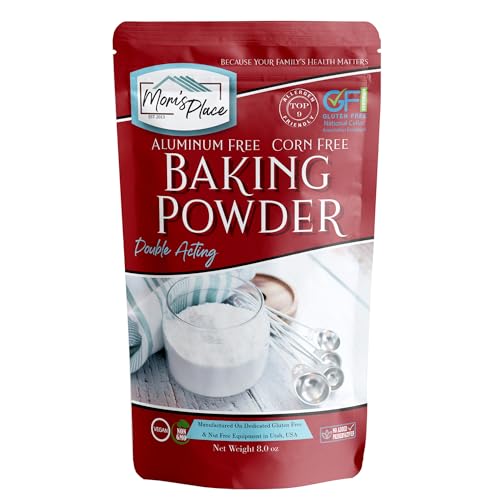
Perfect for Gluten-Free Baking – Achieve consistent rise and texture in your gluten-free baked goods with Mom’s Place Double Acting Baking Powder. Ideal for cakes, muffins, and more.

Rumford Baking Powder in 4 oz can

Includes 2 Lbs. of Baking Powder aluminum free in Reusable container for easy storage. Our Baking powder can be used for a variety of recipes. Made in USA. Premium Baking Powder for cooking
How to Store and Reheat Vegan Funnel Cakes
I’ve figured out how to keep these crispy treats fresh. For short-term storage, put vegan funnel cakes in an airtight container with parchment between layers for up to three days. Don’t refrigerate them, as this makes them stale quickly.
For longer storage, layer with parchment, wrap tightly, and freeze for up to three months. Reheat from frozen at 330°F for 3–5 minutes, or at 350°F for 5–10 minutes.
Short-Term Storage Methods
So you’ve made a batch of crispy vegan funnel cakes, but reality hits—there’s no way you’re finishing all of these in one sitting. I’ve been there, staring at leftover batter ingredients transformed into golden rings I can’t possibly devour alone. Don’t worry—I’ve got storage methods that keep your treats tasting fresh.
Here’s how I keep mine perfect:
- Airtight containers hugging each cake like a cozy blanket
- Parchment paper creating soft barriers between stacked layers
- Room-temperature resting for two days of countertop patience
- Wire racks awaiting their oven reunion at 325°F
I skip the microwave when I can. It steals that crunch we worked for. Instead, I reheat at 350°F for five to eight minutes. Your future self will appreciate the difference.
Long-Term Freezing Tips
While two days of countertop storage works fine, sometimes you need your funnel cakes to survive longer missions, like that camping trip or just a backup stash for midnight cravings.
I let cakes cool completely first. No shortcuts. Then I layer them with parchment paper between each one and seal everything tight in an airtight container. This blocks freezer burn, that icy enemy that ruins texture and taste.
Three months is your window. I’ve tested this extensively.
For reheating, pop them frozen straight into a 330°F oven for 3–5 minutes. No thawing required. Want extra crunch. Brush lightly with oil before reheating. Works every time. Crispy edges return.
Common Vegan Funnel Cake Mistakes (and How to Fix Them)
Why do my vegan funnel cakes turn out flat, greasy, or falling apart at the seams? I’ve been staring at a sad, soggy disk instead of that golden, crispy swirl we all crave. Let’s fix this together.
- Thin batter from too much plant milk spreads like pancake soup instead of holding its shape
- Weak leavening; just swapping eggs for extra baking powder leaves you with dense, flat disappointment
- Oil that’s too cool or too hot turns your masterpiece into a grease sponge or burnt mess
- Rushing the rest time creates lumpy batter that tears apart in the fryer
I rest my batter fifteen minutes minimum, measure dairy-free milk carefully, and keep my oil steady at 350°F. These adjustments produce noticeably better results.