I make vegan cakes by swapping every animal ingredient for plant-based alternatives that actually work. Eggs become aquafaba. Three tablespoons of that bean liquid whips into stiff peaks just like egg whites, or a cornstarch slurry when I need binding without the foam. I trade butter for vegan butter plus a touch of shortening, and reach for soy or pea-protein milk instead of dairy because they emulsify properly instead of separating into oily messes. Aquafaba’s proteins trap air, starches gelatinize for structure, and acids like vinegar activate baking soda for lift. Mixing methods matter too. Sometimes I cream fat and sugar for aeration, other times I whip aquafaba separately and fold it in last to rescue a flat batter. My vegan cakes rise tall, stay moist, and taste identical to cakes made with eggs. The mixing method you choose determines your final result.
What Makes a Cake Vegan (and What Doesn’t Count)
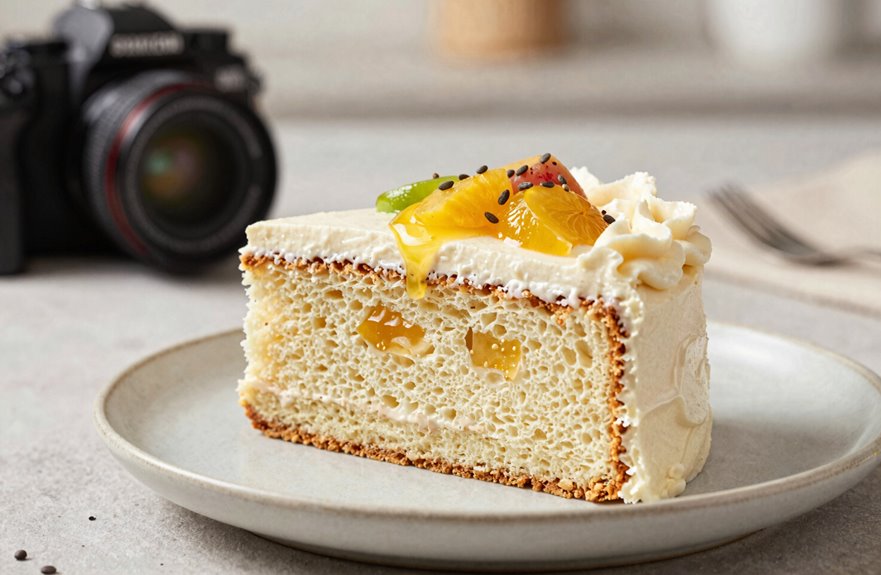
How do we actually build a cake without the usual suspects? It starts with understanding what truly counts as vegan. This means using animal-free ingredients exclusively: no eggs, no dairy, no honey.
Egg replacers become essential tools. Aquafaba whips up surprisingly well, mimicking the proteins traditionally provided by eggs. Plant-based milks and dairy-free butter swap in seamlessly for richness. Gluten and starch play crucial roles; without eggs, they become the structural foundation and provide tenderness in vegan baking.
Vegan emulsifiers matter too. A spoonful of dairy-free yogurt can work wonders. These vegan substitutions aren’t compromises; they’re opportunities to create something genuinely inclusive. Understanding these foundations allows you to build cakes everyone can gather around.

✔ Original Formula for Strong Peaks & Consistency. Fast whipping and good hold. Engineered for kitchens, bakeries, bars, large scale uses, and food manufacturing.

✔ NEW Improved Formula for Stronger Peaks & Consistency. Faster whipping and better hold. Engineered for kitchens, bakeries, bars, large scale uses, and food manufacturing.

Whipping Instructions: Whips completely in 3-5 minutes with an electric mixer when using the correct ratio; add your preferred ingredients like sugar, fruit juice or food coloring during whipping
The Egg, Butter, and Milk Replacements That Actually Work

Why do some vegan cakes sink in the middle while others rise tall and proud? Through trial and error, I’ve identified the specific techniques that work.
| What You’re Replacing | My Go-To Substitute | Why It Works |
|---|---|---|
| Eggs | Aquafaba whipped to stiff peaks | Creates airy structure and lift |
| Butter | Vegan butter substitutes + shortening | Mimics fat for tender crumb |
| Milk | Soy or pea-protein plant milks | Provides moisture and emulsification |
| Foamy egg whites | Cornstarch + water blend | Grants springy texture and binds |
| Leavening power | Baking soda with acid (lemon/vinegar) | Reacts for rise without eggs |
What’s crucial is that gluten structure becomes your backbone when eggs exit. I lean on cake flour with xanthan gum for tenderness. These vegan egg substitutes work through chemistry rather than magic. Master emulsification, and you’ll achieve consistent results.
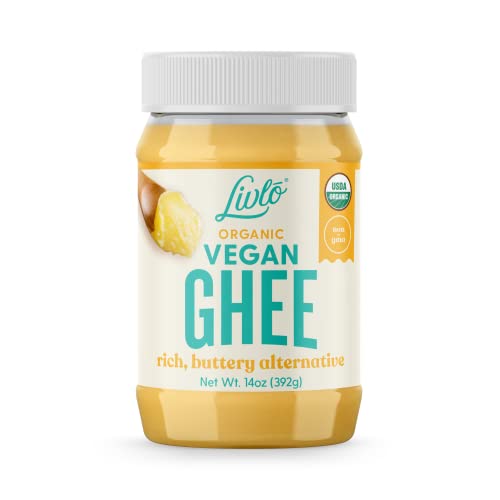
MAKE ME MELT - Organic, Shelf Stable, 100% Dairy Free, Oh-So-Delicious, and suited for your healthy lifestyle. Made with just the right blend of coconut oil, avocado oil, and natural butter flavor, get ready to meet the rich, buttery alternative that will leave you saying “O- Mm-GHEE!”

For those cooks and bakers who know how amazing shortening is, but also want a rich, buttery flavor in their food. Crisco is Baking

Rich Buttery Taste: This deliciously buttery vegetable oil for cooking is perfect for sautéing, grilling, seasoning or for use as a dairy free butter replacement for melted or clarified butter in all of your best dishes
Four Ways to Mix Your Batter (and When Each Wins)
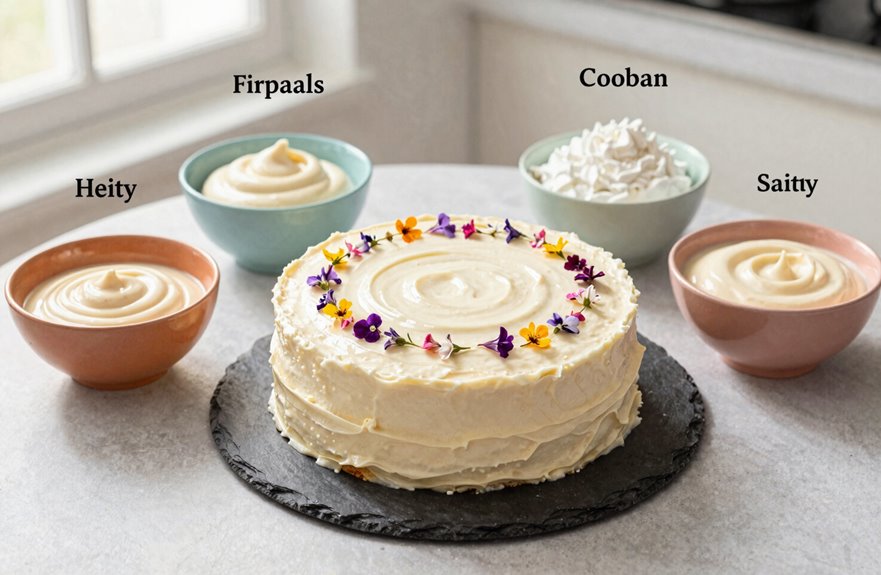
Where you start with your ingredients matters just as much as what you put in. Vegan batter methods determine everything: texture, rise, and that satisfying bite.
How you begin shapes everything: texture, rise, and that perfect vegan bite.
The Quick Bread Method keeps it simple. You whisk dry and wet separately, then combine them quickly. Less stirring means limited gluten development, giving you that cozy, denser crumb perfect for loaf cakes.
Want something lighter? The Cream Method beats fat and sugar until fluffy, about 3-4 minutes of serious aeration. Since you’re skipping eggs, sturdy vegan emulsifiers and reliable vegan leavening maintain structure.
The Reverse Creaming Method flips the script. Rub fat into dry ingredients first, including sugar, creating a sandy paste before adding liquids. This coats flour proteins early, controlling gluten and producing melt-in-your-mouth tenderness.
Whipped aquafaba folded in last delivers consistent results. It re-foams beautifully, rescuing batter consistency even when things look impossibly runny. A drippy batter still bakes into airy crumb with proper handling.

OUR WORLD FAMOUS PLANT-BASED MILK: The product that made us who we are, now available on Amazon. Ripple Milk is an FDA milk substitute and better tasting too!

Pure Original Ingredients Soy Protein Isolate in a resealable bag

MADE IN THE USA FROM ORGANIC PEAS — Crafted from organic peas grown by North American farmers and processed in the USA for clean, high-quality protein you can trust.
Why Vegan Cakes Turn Out Dense, Gummy, or Dry
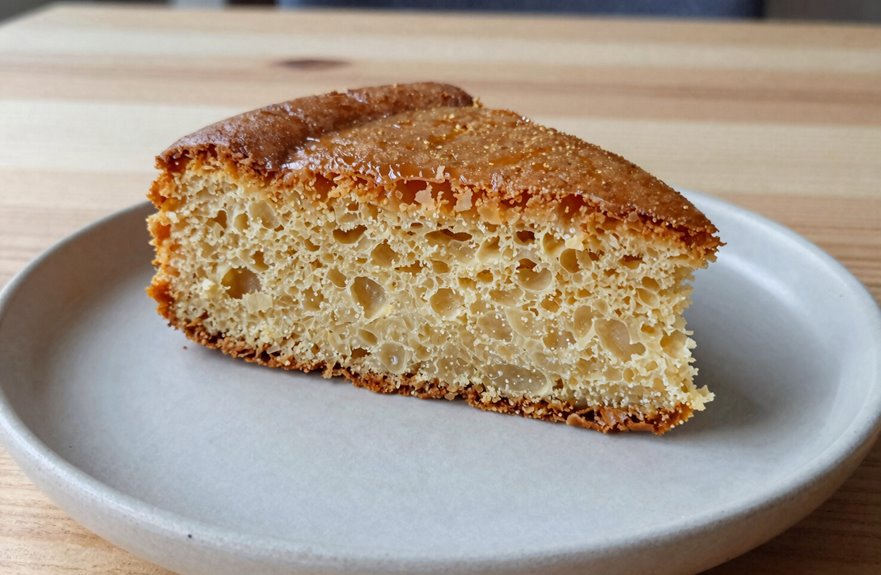
I’ve pulled more than a few flat, sad-looking vegan cakes from my oven: dense as bricks, gummy in the center, or dry enough to make you reach for a gallon of oat milk.
What I’ve learned about where we go wrong:
- Vegan eggs substitutes need backup. Aquafaba works wonders, but without enough fat sealing moisture, your crumb structure suffers. I pair mine with oil or vegan butter.
- Leavening balance matters without eggs. Too little, and you get density; too much, and bubbles collapse. I check expiration dates religiously.
- Overmixing develops gluten excessively. This kills batter stability, especially in gluten-free options. Mix until just combined, then stop.
Moisture management is critical. Underbaking leaves gumminess; proper baking time prevents dryness.

INSTRUCTIONS: For a two egg serving, add 1.5 Tbsp powder to 1/3 cup COLD water and whisk until smooth. Cook on pre-heated skillet or pan at medium-high heat. Scramble until desired firmness is reached. Store in a cool, dry place in the original sealed package. If using a microwave, cook for 1-2 minutes depending on desired texture. In baking, Substitute can be hydrated and combined with wet ingredients, or blended with dry ingredients with water added later.

Nutritious Egg Powder: Elevate your culinary creations with Judee's Dried Whole Egg Powder, an ideal egg substitute for both baking and cooking. Its gluten-free, nut-free formula is perfect for making scrambled eggs and pancakes effortlessly

Meet our NEW Vegan Egg Substitute. This Gluten-Free Vegan Egg Replacer replaces around 34 eggs.
Structure Secrets: Moisture Without the Gluten Trap

How do you build a cake that holds together without turning into a rubbery mess? Trial and error revealed the answer.
In vegan baking, gluten becomes your frenemy. You need some for structure, but too much creates that dreaded bread-like chew. Cake flour works best with its lower protein content, keeping things tender. Starch steps in too; a tablespoon of cornstarch per cup of flour mimics that soft, fine crumb eggs usually provide.
For lift, whip aquafaba until it forms glossy peaks and fold it gently into your batter. It delivers consistent results. Emulsifiers like vegan yogurt or pea-protein milk bind moisture evenly, preventing dry patches.
| Problem | Fix | Why It Works |
|---|---|---|
| Dense crumb | Add whipped aquafaba | Reintroduces air for lift |
| Dry texture | Increase emulsifiers | Locks in moisture |
| Tough chew | Use cake flour + starch | Limits gluten, boosts tenderness |
| No structure | Thicker batter, careful mixing | Builds support without overworking |
The formula requires enough gluten to hold your cake structure while incorporating enough starch and fat to maintain a tender, plush crumb.
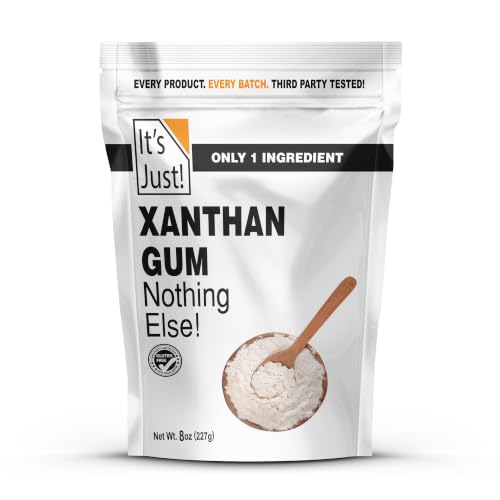
It's Just - Xanthan Gum, 8oz, Batch Tested Gluten Free, Keto Baking, Non-GMO, Thickener for Sauces, Soups, Dressings, Packaged in USA

Xanthan Gum is a soluble fiber produced from the pure culture fermentation of the microorganism Xanthomonas campestris

GOOD INGREDIENTS FOR ALL: A gluten free pantry essential, Bob’s Red Mill Xanthan Gum helps liquids combine seamlessly and binds doughs and batters, giving them the elasticity needed for homemade perfection, every time;
Build Better Flavor: From Vanilla Bean to Dark Chocolate
- Bloom your cocoa in hot plant-based milk before mixing. This unlocks chocolate’s full potential.
- Swap wisely: flax or aquafaba eggs add structure where traditional recipes rely on protein.
- Finish with contrast with a whisper of almond extract in vanilla vegan buttercream, or glossy ganache over gluten-free flour bases.
Small choices transform good into extraordinary.

✔ Premium Plant-Based Egg Replacer – Trusted by 1,000+ Chefs & Bartenders. Saheli delivers pro-level results for home and commercial use. Whips, foams and binds like eggs, without cholesterol or allergens.

✔ Original Formula for Strong Peaks & Consistency. Fast whipping and good hold. Engineered for kitchens, bakeries, bars, large scale uses, and food manufacturing.

Only one ingredient: Chickpeas
Adapt Any Recipe: Cupcakes, Layers, and Sheet Cakes
Why let a single recipe limit what you can create. Once you master egg substitutes like aquafaba and plant-based milks, you can transform any vegan cake batter into cupcakes, layer cake, or sheet cake with confidence.
Master egg substitutes and plant-based milks, and any vegan batter becomes cupcakes, layer cake, or sheet cake on your terms.
I scale batters between pans all the time. Two 7-inch rounds or three 6-inch layers work beautifully for celebrations, while sheet cakes feed crowds efficiently. Cupcakes are just mini portions with faster bake times; start checking at 18 minutes instead of 30.
Pan preparation significantly affects your results. I always line with parchment and bake at 170°C to prevent sunken centers. Reverse creaming keeps my crumbs tender, even without dairy.
Finish with vegan frosting, and you’ve got a dessert that works for birthdays, potlucks, or quiet Tuesday nights. The techniques adapt; your creativity shouldn’t.

For those cooks and bakers who know how amazing shortening is, but also want a rich, buttery flavor in their food. Crisco is Baking

REPACKAGED FROM BULK: Portioned from a larger commercial block into a sealed 2.5 lb package; shape, cut edges, surface marks, and small air pockets may vary as a result of the portioning process