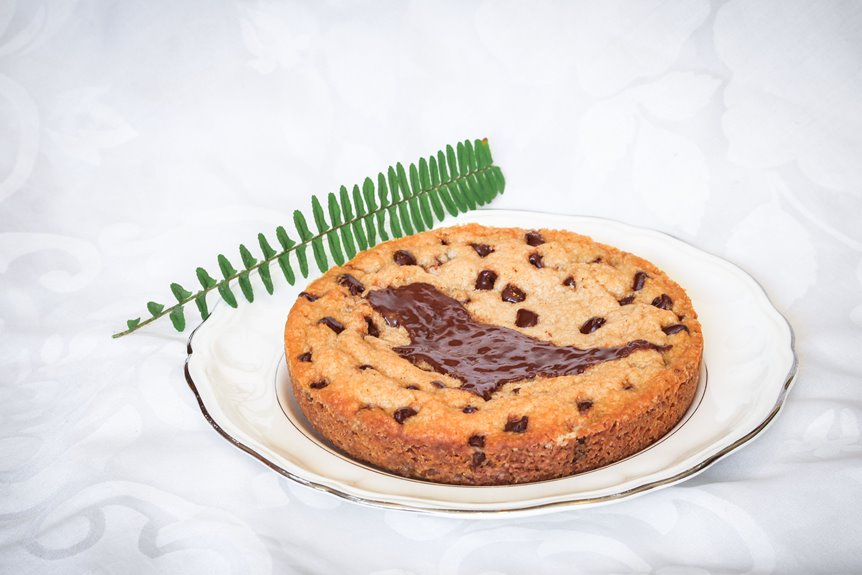
I don’t refrigerate my buttercream cookie cakes, and I’ve kept them perfect on the counter for three days straight. Whether your cake needs chilling comes down to one simple factor: the frosting type. Buttercream-only cakes stay safe and silky at room temperature in an airtight container for 2–3 days at around 70°F. Cream cheese frosting requires refrigeration within two hours due to food safety risks. Heat and humidity can force your hand too; anything above 75°F shortens that window. You can determine which rule applies to your situation by identifying your frosting type and current temperature conditions.
When Cookie Cake Needs Refrigeration (And When It Doesn’t)
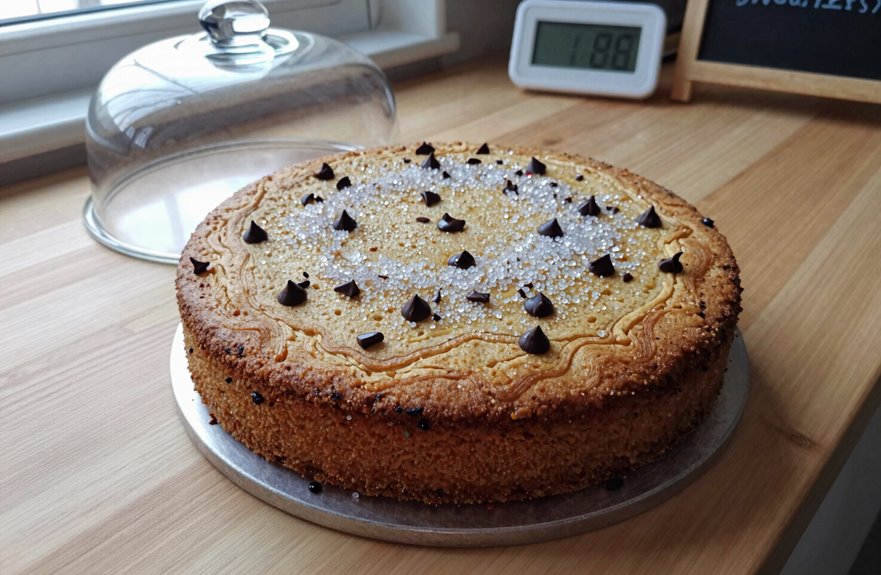
So, how do you know when your cookie cake belongs on the counter versus in the fridge? If your cookie cake wears nothing but buttercream and skips the perishable fillings, the counter becomes its home. Keep yours in an airtight container, tucked somewhere cool and dry. It will stay fresh for about three days before staleness sets in.
Refrigeration becomes necessary when dairy, fresh fruit, or other perishable fillings join the party. Those ingredients require cold storage for food safety. Refrigeration can transform buttercream into something waxy and sad, drying your cake prematurely. For longer storage, skip the fridge entirely and freeze instead. If you do refrigerate, allow three hours at room temperature to restore the cake’s texture.

One 16 oz. can of Duncan Hines Dolly Parton's Favorite Chocolate Buttercream Flavored Cake Frosting

One 16 oz. can of Duncan Hines Dolly Parton's Favorite Creamy Buttercream Flavored Cake Frosting
Buttercream vs. Cream Cheese: Frosting Rules That Change Everything

I’ve learned that buttercream and cream cheese frostings play by completely different rules, and confusing the two can ruin your cookie cake. Pure buttercream, made with just butter, sugar, and flavorings, stays perfectly happy on your counter for two to three days, developing that coveted silky texture that fridge storage destroys. But the moment you add cream cheese, you’re dealing with a dairy product that demands refrigeration within two hours at room temperature to keep bacterial growth in check. These distinctions directly affect both safety and quality; a buttercream dessert maintains its texture at room temperature while a cream cheese frosting requires consistent cold storage or spoilage becomes a real concern.

One 16 oz can of Duncan Hines Creamy Cream Cheese Frosting

Eight 14 oz cans of Duncan Hines Whipped Cream Cheese Frosting

Contains: 1 Container of Organic Frosting
Buttercream Stability Basics
Why does the same frosted dessert demand completely different storage rules depending on what’s swirled on top? Buttercream behaves differently than you’d expect. Made from butter and powdered sugar, it’s surprisingly resilient.
At room temperature, around 70°F, buttercream stays silky and spreadable for two to three days. The sugar acts as a preservative, binding moisture and keeping things stable. Refrigeration hardens the butter, turning that luscious frosting waxy or crumbly. This mistake ruins texture and palatability.
For pure buttercream-topped cookie cakes with no sneaky fillings inside, skip the fridge entirely. The ambient coolness preserves texture beautifully. You can refrigerate for longevity beyond three days, but bring it back to room temperature before serving for the optimal texture and taste.
| Factor | Buttercream Behavior |
|---|---|
| Base ingredients | Butter + powdered sugar |
| Room temperature stability | 2-3 days, stays silky |
| Refrigeration risk | Becomes waxy, dries out |
| Best storage | Cool room, covered |
| When to chill | Beyond 3 days max |
Cream Cheese Requirements
Cream cheese frosting fundamentally changes how you must store these treats. Cream cheese introduces real dairy into the equation, which alters storage requirements entirely.
Buttercream’s mostly sugar and fat, which buys you time at room temperature. Cream cheese, however, is soft, moist, and bacteria-friendly. Without refrigeration, you’re gambling with food safety, especially above 70°F. Refrigerate any cookie cake with this frosting without exception.
The same rule applies when you’ve got a dairy-based filling hiding inside: mousse, custard, or whipped cream layers demand the cold. Nobody wants to serve a celebration dessert that causes foodborne illness. Refrigerate cream cheese-frosted cakes within two hours of serving.
Temperature Decision Factors
Deciding how to store your cookie cake starts with one simple question: what’s on top.
Buttercream frosting doesn’t need refrigeration. Keep it at cool room temperature, about 70°F, so the frosting stays silky and the cake stays tender. Refrigeration results in waxy frosting and dry cake.
Cream cheese frosting requires refrigeration to stop bacterial growth. Food safety is the determining factor.
If you accidentally refrigerate a buttercream cake, let it sit out 2–3 hours before serving. The texture will return to normal.
For long-term storage, freeze buttercream cakes instead of refrigerating. Cream cheese versions can freeze too; wrap them tight and thaw at room temperature.
How Long Cookie Cake Lasts on the Counter

When I bake a cookie cake, I’m usually faced with a delicious dilemma: how long can I leave it sitting out before I need to make storage decisions? Classic buttercream-topped cookie cakes stay fresh at room temperature for up to three days when stored properly. Consider these storage guidelines:
Classic buttercream cookie cakes stay fresh at room temperature for up to three days when stored properly.
- Use an airtight container to lock in moisture and prevent staleness.
- Keep it in a cool, dry spot away from sunlight and heat sources.
- Wrap cut edges with plastic wrap to stop drying and odor absorption.
If my cookie cake contains cream cheese or fresh fruit, refrigeration becomes necessary instead of room temperature storage. For longer keeping, freezing is preferable to refrigeration because it preserves the chewy texture better than cold storage methods.

【Premium Quality】This cookie storage container is made of food-grade plastic, which is sturdy, durable, BPA free and odorless. The transparent design allows for easy identification of contents

The Staple of Your Kitchen: Whether you want to take your lunch to-go, organize for meal-prep, or send some delicious cookies to your loved ones while making sure the food remains fresh along the way, these plastic storage containers are what you need!

2 Pack - Rectangular plastic food storage containers
Heat, Humidity, and When to Refrigerate Anyway
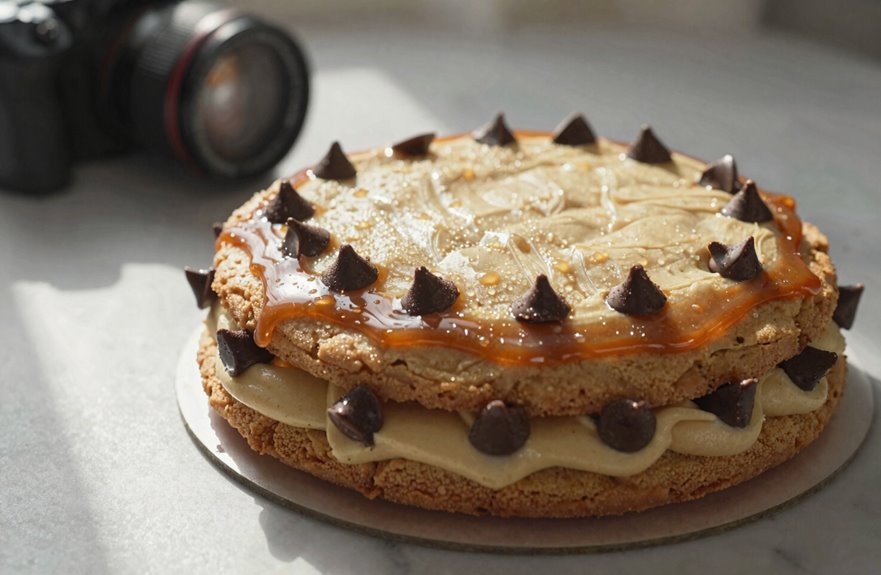
Beyond the basic rules of frosting types, I must account for the real-world conditions of my kitchen. Heat and humidity can derail careful storage plans quickly. When my kitchen creeps past 75°F or the air feels thick enough to swim through, even my reliable buttercream requires backup strategies.
If any component is perishable—cream cheese, fresh fruit, dairy fillings—refrigeration becomes non-negotiable, regardless of weather. During heat waves, I refrigerate even non-perishable buttercream briefly to prevent melting, then let it return to room temperature before serving. The texture suffers slightly, but structural collapse is worse.
I keep cakes away from sunlight and stove heat. My thermometer guides my decisions.

Cover:Fitted with food grade PP lid paired with silicone sealing Ringing

Cute picnic basket--very light weight and easy to move can carry it with you wherever you like,portable picnic basket

Cover:Fitted with food grade PP lid paired with silicone sealing Ringing
Is Counter-Safe Buttercream Actually Safe? What Bakers Say

How long can buttercream really sit out before it turns sketchy? I’ve wrestled with this question every time I box up a cookie cake for friends. This is what I’ve learned about buttercream safety from years of kitchen experiments and late-night chats with fellow bakers.
- Traditional American buttercream, loaded with sugar and butter, handles room-temperature storage beautifully for 1–3 days in a cool, dry spot.
- Dairy-free buttercream (think shortening-based or vegan spreads) stretches even longer without spoiling, since there’s no perishable dairy to worry about.
- I’ve kept buttercream-coated treats under a cake dome in my coolest room, never the fridge, because refrigeration turns that silky frosting waxy and dulls the whole experience. Sugar acts as a preservative.
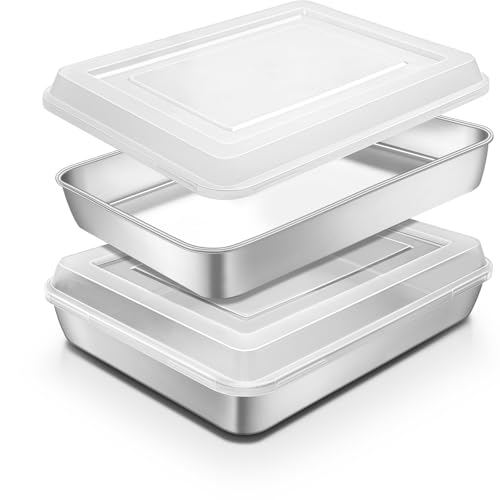
【Non-Toxic Bakeware】Crafted from pure, heavy-gauge stainless steel with no chemical coatings, this non-toxic roasting pan with lid offers a safe alternative to aluminum or nonstick pans. Enjoy peace of mind with no flaking or chemical leaching—even at high temperatures

Designed for 12 inch pizzas: These aluminum pizza pans feature a 13-inch outer diameter and a 12-inch bottom diameter. The 1-inch height provides a secure fit for your recipes and keeps toppings contained, unlike shallow, hard-to-clean traditional pans.

SWEET CARRYING: The Snapware Snap 'N Stack 2-layer carrier is perfect for transporting all manner of sweets with safety. Two cupcake holders can hold up to 24 cupcakes or cookies, and the stackable trays keep food items separate and organized..Special feature : Alcohol-Free
Cream Cheese and Custard Frostings: Always Refrigerate These
Cream cheese frosting isn’t forgiving like buttercream. It can harbor bacteria if left out too long, so refrigerate it within 2 to 4 hours of decorating. Custard is even riskier because its dairy-rich, egg-based composition spoils rapidly at room temperature, making refrigeration non-negotiable for food safety. If the cookie cake has either frosting, store it chilled in an airtight container for up to 3 or 4 days. Let it sit out briefly before serving so the texture softens.

VANILLA FLAVORED FROSTING: A delicious artificially flavored vanilla frosting; Goes great with baked goods such as cakes, cupcakes, and cookies


Cream Cheese Risks
When should you absolutely, positively not skip the fridge. When your cookie cake involves cream cheese frosting or perishable fillings, that’s when.
I’ve learned this lesson the hard way. Cream cheese isn’t like butter; it’s a dairy product that bacteria love if you give them time. What keeps your dessert safe:
- Cream cheese frostings demand refrigeration within two hours of serving, no exceptions.
- Perishable fillings of any kind, mascarpone, whipped cream, or yogurt-based layers, need that cold environment to stop spoilage.
- Hybrid frostings with even small amounts of cream cheese require the same treatment as full recipes; don’t risk it.
I always put my cream cheese-frosted cakes in the fridge immediately after the party winds down. Before serving again, I let them sit out for 20-30 minutes so the texture softens and the flavors develop properly.
Custard Spoilage Speed
Why does custard spoil even faster than you’d expect? Custard-based frostings are a bacterial playground. Unlike buttercream, which can hang out on your counter, cream cheese frosting and custard fall under strict refrigeration guidelines for good reason.
Perishable fillings like these contain eggs and dairy, two ingredients that bacteria absolutely love. Custard can turn sketchy in under two hours at room temperature. This is food safety reality.
When making cakes with these components, refrigerate immediately. The texture changes slightly; cold custard firms up more than you’d want. However, letting it sit out creates genuine food safety risks. Wrap cakes tightly, chill thoroughly, and bring to room temperature before serving for the best results and safety.
Refrigeration Safety Rule
The golden rule of frosting safety is simple: if it’s got cream cheese or custard, it goes straight to the fridge. Nobody wants a ruined celebration because of bacterial growth in dairy-heavy frostings. When it comes to refrigeration safety, follow these guidelines:
- Refrigerate cream cheese frosting within two hours of serving to prevent pathogen development
- Wrap your cake tightly to prevent moisture loss and fridge odors from sneaking in
- Allow 20-30 minutes at room temperature before eating to restore that creamy texture
Perishable fillings aren’t negotiable, especially in warm climates where bacteria multiply fast. Pull yours out early enough so the flavors bloom properly. Proper chilling protects your guests and preserves that perfect frosting consistency you worked hard to achieve.
Airtight Containers vs. Loose Cover: Which Keeps Cake Fresh
Where exactly should you store that leftover cookie cake: sealed tight or just loosely covered? I’ve tested both methods, and the difference is clear. Airtight containers win every time for room temperature preservation. They block moisture loss that turns your soft cookie into a crumbly disappointment.
I wrap my cakes in plastic first, then nestle them into a sealed container. This double defense keeps buttercream silky and prevents that weird fridge-taste absorption. Loose covers let air sneak in, accelerating staling within a day or two.
For up to three days, I skip the refrigerator entirely. My kitchen stays cool at around 70°F, and my airtight setup maintains that fresh-baked texture. Freezing works for longer storage, but loose covers never make the cut.

GLUTEN FREE FROSTING: Bake a delicious dessert and top with this cream cheese frosting that will make your favorite cupcake or cake even sweeter


CREAM CHEESE FLAVORED FROSTING: A delicious artificially flavored cream cheese frosting; Goes great with baked goods such as cakes, cupcakes, and cookies
How to Refrigerate Cookie Cake Without Drying It Out
Sometimes life requires you to refrigerate your cookie cake. When that happens, these methods will prevent it from drying out.
Here’s my three-step survival plan:
- Seal it tight: Nestle your cake in an airtight container, never loose plastic wrap alone, to lock moisture in and fridge odors out.
- Protect the buttercream: Cold hardens buttercream, so minimize fridge time. Cover cut edges with parchment to stop moisture escape.
- Plan the comeback: Pull your cake out 3 hours before serving. Room temperature restores that soft-baked center and creamy frosting.
These tricks keep your cookie cake worth celebrating.

【Premium Quality】This cookie storage container is made of food-grade plastic, which is sturdy, durable, BPA free and odorless. The transparent design allows for easy identification of contents

The Staple of Your Kitchen: Whether you want to take your lunch to-go, organize for meal-prep, or send some delicious cookies to your loved ones while making sure the food remains fresh along the way, these plastic storage containers are what you need!

Value Pack:The package comes with 100 pcs clear plastic food containers,value quantity enough for daily use.External size:5.2x4.5x2.8 inch/13.3x11.5x7.1cm, Internal size:4.3x4.2x1.4 inch/11x10.6x3.5cm.
Freezing Frosted Cookie Cakes: How Long and How to Wrap
Why freeze a cookie cake? Freezing buys you months, not days, of quality storage. I’ve stretched buttercream-frosted cookie cakes through several seasons by freezing properly. Let everything cool completely first. Warm frosting traps ice crystals. Wrap your cake tight in plastic wrap, then foil. Double protection matters. Pop it into a rigid container or heavy freezer bag.
Label with date and frosting type; you’ll forget otherwise. Mystery desserts happen to the best of us. Freeze in portions or whole, but remember: thaw at room temperature, never the fridge. Small slices wake up in 1–2 hours; whole cakes need overnight patience. Skip freezing if you’ve got cream cheese or fruit fillings. Those don’t survive the deep freeze well.

Food safe materials: made from silicone, these spatulas are safe for all your cooking and baking needs,holiday silicone spatula,kitchen spatula

Harvest basket--the innovative design, which is fresher and more inviting, adds a natural feel to the house,woven picnic basket

Storage picnic basket:the storage basket is made of grass and iron materials and is sturdy and durable to last a long time -made of grass and iron material, durable, delicate, strong there is handle design for easy movement and carrying-our storage basket is superbly finished to withstand sunlight and harsh winter temperatures without fading, frosting or cracking,hand-made vegetable basket
How to Warm Cold Cookie Cake Without Sogginess
I’ve tried warming cold cookie cake enough times to know that sogginess is the enemy we’re all fighting. Whether you’re eyeing the oven, tempted by the microwave’s speed, or willing to wait for room temperature to do its thing, each method carries risks and rewards. The oven can dry out edges, the microwave softens frosting unevenly, and room temperature takes time but preserves texture best. Let’s walk through exactly how to revive that chilled cookie cake without turning your buttercream into a puddle or your edges into cardboard.

BAKE, SERVE & STORE IN ONE PRACTICAL DISH WITH LIDS: Our disposable 9” cake pans with lids provide ultimate convenience for bakers, chefs and hosts alike. Whether you’re prepping pastries, cooking dinner, or feeding a crowd, MontoPack makes food service an absolute pleasure.

Healthy material, this cake pan with lid are made of high quality stainless steel and food grade plastic, no harmful coating substance produced during using the baking pan in high temperature, superior heat conductivity benefit to bake food evenly, healthy for daily baking use

Designed for 12 inch pizzas: These aluminum pizza pans feature a 13-inch outer diameter and a 12-inch bottom diameter. The 1-inch height provides a secure fit for your recipes and keeps toppings contained, unlike shallow, hard-to-clean traditional pans.
Oven Warming Method
Nothing beats the disappointment of biting into a once-glorious cookie cake that’s turned cold and stiff in the fridge. After refrigeration steals its soul, oven warming revives what the cold killed.
I set my oven to 200°F, barely warm, really, and wrap my slice in foil to trap precious moisture. Ten minutes max brings back that chewy center without turning edges into cardboard.
Here’s my proven process:
- Cover buttercream with damp parchment to prevent cracking
- Heat 5–10 minutes, checking at the halfway mark
- Rest 2–3 minutes before eating so frosting re-sets properly
The gentle, even heat distributes better than blasting methods. Your patience pays off with texture that tastes fresh-baked, not reheated. This slow approach transforms your refrigerated regret into something worth sharing.
Microwave Warming Technique
When in a hurry, the microwave saves your cookie cake from becoming hard and cold. Microwave warming demands patience, not power. Start with 10–15 seconds on medium, then check. Rotate the cake and add 5–10 second bursts. Chilled buttercream needs loose covering; just enough to soften without melting into a puddle. Skip the rush. 20–30 seconds total maximum, or you will face dry cookie or oily, separated frosting. Let it rest one minute. Heat redistributes. Structure holds.
| Refrigeration Effect | Microwave Solution |
|---|---|
| Hardens buttercream | Brief, covered warming restores creaminess |
| Creates cold centers | Rotation prevents uneven hot spots |
| Risks sogginess | Short bursts plus resting time preserves texture |
Room Temperature Approach
Why rush what patience perfects? I’ve learned the hard way that nuking a cookie cake spells disaster: soggy centers, ruined buttercream, the works. Here’s my go-to room temperature method that keeps every slice perfect.
- Plan ahead. I pull my cake from the fridge and let it rest 30–60 minutes before serving. No shortcuts.
- Wrap loosely. I cover it just enough to prevent drying but allow airflow, stopping condensation that wrecks storage quality.
- Find a cool spot. I keep it away from sunlight and heat sources so the buttercream stays silky, not sweaty.
Room temperature storage beats the fridge for texture. Refrigeration hardens buttercream into a crust nobody wants. The wait delivers results: that fresh-baked softness every slice should have.
How to Tell if Cookie Cake Has Spoiled
How exactly do you know when that giant cookie has crossed the line from “maybe still good” to “definitely dangerous”? Pay attention to what you see, smell, and feel.
Use your senses—sight, smell, and touch—to judge when that cookie cake has spoiled.
Cookie cakes with perishable ingredients like cream cheese frosting or fresh fruit require extra vigilance. Check for spoilage signs: fuzzy mold, sour smells, slimy textures, or weird discoloration. These aren’t subtle hints; they’re clear warning indicators.
Refrigeration helps, but it isn’t magic. Perfectly chilled cakes can still go bad. When you spot any warning signs, discard the cake immediately.
If your frosting is basic buttercream without dairy fillings, you have more flexibility. When uncertain about any component, refrigerate it and examine it carefully before serving. This prevents foodborne illness.
Cookie Cake at Parties: Real Food Safety Rules
So you’re staring at that cookie cake on the party table, wondering if it’s still safe to grab a slice. I’ve been there, hovering near the dessert table at gatherings, and I want to share what keeps everyone healthy and happy.
- Check for perishable fillings first – cream cheese, fresh fruit, or dairy mean refrigeration isn’t optional; room temperature risks spoilage.
- Know your buttercream – classic sugar-and-butter varieties stay safe uncovered for 2–3 days in cool shade, no fridge needed.
- Time your treats – if refrigerated, let slices rest 30 minutes before serving; cold hardens frosting and dulls flavors.
Keep your cake boxed, away from heat and sunlight. We share food to connect. Storing it properly prevents foodborne illness and ensures everyone can enjoy dessert safely.
Storage Mistakes That Ruin Cookie Cake Texture
Where exactly does a perfectly good cookie cake go wrong. I’ve watched it happen: refrigeration zaps moisture from the sponge and turns buttercream waxy. Cold, dry air is the culprit. Unless your cake has cream cheese or fresh fruit, skip the fridge. Room-temperature storage keeps that soft, silky buttercream texture intact and preserves chewy edges. If you must refrigerate for safety, let it rest 1–3 hours before serving. Slicing too soon results in flat flavor and stiff texture. Patience allows flavors to develop and the crumb to set properly. Wrap it well, store it cool, and you’ll avoid the stale disappointment that results from improper storage.