Most cookie cakes don’t need refrigeration if they’re frosted with standard buttercream, which stays silky at room temperature for up to three days in a cool, dry spot below 75°F. I always keep mine in an airtight container to prevent staling.
However, if your cookie cake has cream cheese frosting, fresh fruit, or dairy-based fillings, you’ll need to refrigerate it. Bacteria multiply rapidly between 40°F and 140°F on perishable ingredients. Cold fridge air can harden buttercream and dry out the cookie base, so refrigerated cakes should sit out 30-60 minutes before serving to restore their texture.
The specific frosting type and toppings determine your storage strategy, which directly affects how long your cake will stay fresh and palatable.
Does Cookie Cake Need Refrigeration? (The 30-Second Answer)

Does Cookie Cake Need Refrigeration? (The 30-Second Answer)
How often do you stand in front of your cookie cake, wondering whether it belongs on the counter or in the fridge?
Most cookie cakes don’t need refrigeration. If yours has standard buttercream frosting, keep it at cool room temperature in an airtight container. The cold, dry air hardens buttercream and steals moisture from the cookie base, leaving you with a disappointing texture and duller flavors.
However, always check for perishable fillings first. Cream cheese, fresh fruit, dairy-based mousse, or whipped cream require refrigeration to stay safe.
For short-term storage, two to three days, box yours away from sunlight. For longer storage, freeze it instead. When in doubt, refrigerate the cake, then let it warm to room temperature before serving to restore the proper texture.

One 16 oz. can of Duncan Hines Dolly Parton's Favorite Chocolate Buttercream Flavored Cake Frosting

One 16 oz. can of Duncan Hines Dolly Parton's Favorite Creamy Buttercream Flavored Cake Frosting

Start Here: What Frosting Is on Your Cookie Cake?

Why does the frosting matter so much? It’s the deciding factor in whether your cookie cake stays out or chills in the fridge. When I’m staring at my creation, I immediately check what’s on top.
Standard buttercream? You’re usually safe with room temperature storage for two to three days, just keep it cool and dry. Cream cheese frosting changes everything. That tangy spread contains enough dairy moisture to invite bacterial growth, so refrigeration is necessary.
Standard buttercream keeps for days on the counter, but cream cheese frosting demands the fridge.
Perishable fillings create similar concerns. Fresh fruit compotes or custard layers tucked inside demand refrigeration regardless of the outer frosting. Buttercream cannot protect fillings from spoilage.
Know your frosting, and you’ll know your storage answer immediately.

Eight 14 oz cans of Duncan Hines Whipped Cream Cheese Frosting

One 16 oz can of Duncan Hines Creamy Cream Cheese Frosting

OREO CRÈME FROSTING: Irresistible whipped frosting inspired by the center of an OREO Cookie; Tastes great on gluten free cakes, cupcakes, cookies and more
Buttercream Cookie Cake: Room Temp or Fridge?
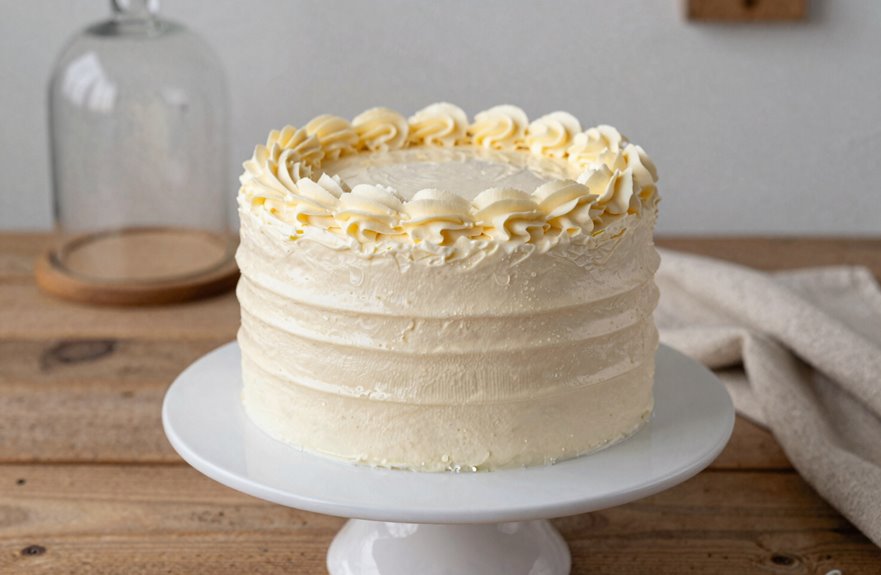
I keep my buttercream cookie cakes at cool room temperature, around 68-72°F, right in their box for up to three days, since the fridge’s cold, dry air turns that silky frosting waxy and sucks moisture from the cookie base. You’ll want to pop it in the refrigerator only if you’ve got perishable fillings like cream cheese, fresh dairy, or fruit, which can breed bacteria at room temp after about two hours. If you’ve stashed it in the fridge, let it sit out for 30-60 minutes before serving so the buttercream softens and the flavors actually wake up.

Our Extra Fancy Candied fruit mix

Soft & Moist Texture – Made with our traditional slow-rise dough for a light, airy texture that melts in your mouth

🍓 Strawberry & Raspberry Cream Filling: A delicious blend of sweet strawberry and bright raspberry flavors layered with smooth cream filling for a perfectly balanced fruity snack cake.
Storage Guidelines
The sweet dilemma of where to stash your buttercream cookie cake can trip up even seasoned bakers. Most buttercream cookie cakes thrive at room temperature, not in the cold. Without perishable fillings, your cake stays soft and flavorful for about three days in a cool spot inside an airtight container.
Refrigeration dries out the sponge and turns that silky buttercream waxy. This is a significant drawback for cakes without perishable ingredients. If you’ve added cream cheese, fresh fruit, or dairy-based mousse, the fridge becomes necessary to prevent spoilage.
For short-term storage, room temperature is the best choice. When refrigeration is necessary, let the cake sit out for two to three hours before serving. This timing restores the texture and brings back the full flavor.
Refrigeration Rules
You’ve got your buttercream cookie cake boxed up, and now you’re staring at the fridge, wondering if that’s where it belongs.
When to skip the fridge:
- No perishable fillings inside? Room temperature wins.
- Cool, dry spots work perfectly for short-term storage.
- Buttercream stays silky, not waxy.
- Your guests get that bakery-fresh bite.
Refrigeration dries out the sponge and hardens buttercream into something disappointing. But perishable fillings change everything. Cream cheese, fresh fruit, or dairy require cold storage to prevent bacterial growth and foodborne illness. When uncertain, refrigerate. Without perishable fillings, three hours at room temperature before serving restores the perfect texture.
Cream Cheese Frosting: Why Refrigeration Is Non-Negotiable

Cream cheese frosting requires immediate refrigeration due to food safety concerns. Buttercreams can remain at room temperature because they contain different ingredients.
Cream cheese lacks the sugar and fat barriers that protect other frostings. Without refrigeration, pathogens multiply rapidly. Soft cheese creates an environment where bacteria can develop and spread.
For your cookie cake, chill it immediately. Cover it tightly so it doesn’t dry out or absorb odors from surrounding foods. Pull it out thirty minutes before serving to achieve optimal texture. This timing ensures both food safety and the best eating experience.


VANILLA FLAVORED FROSTING: A delicious artificially flavored vanilla frosting; Goes great with baked goods such as cakes, cupcakes, and cookies
Fresh Fruit Toppings: The Exception to Every Rule

How quickly does sliced strawberry turn mushy on your counter? Fresh fruit toppings require refrigeration, unlike the room-temperature storage guidelines mentioned elsewhere.
When I add perishable ingredients like berries, kiwi, or sliced peaches to my cookie cakes, I’m inviting moisture, mold, and bacteria. Refrigeration becomes necessary here.
Here’s what I’ve learned:
- Fresh fruit releases juices that turn buttercream soggy within hours
- Dairy-based frostings with fruit create a bacterial playground above 40°F
- Refrigeration preserves both safety and that satisfying cookie crunch
- Let it sit out 20-30 minutes before serving for optimal texture
Skip the fridge only if you’re using dried fruit or shelf-stable alternatives. Otherwise, mushy, potentially unsafe desserts result from leaving fresh-topped cookie cakes at room temperature.

The Staple of Your Kitchen: Whether you want to take your lunch to-go, organize for meal-prep, or send some delicious cookies to your loved ones while making sure the food remains fresh along the way, these plastic storage containers are what you need!

The Staple of Your Kitchen: Whether you want to take your lunch to-go, organize for meal-prep, or send some delicious cookies to your loved ones while making sure the food remains fresh along the way, these plastic storage containers are what you need!

The Staple of Your Kitchen: Whether you want to take your lunch to-go, organize for meal-prep, or send some delicious cookies to your loved ones while making sure the food remains fresh along the way, these plastic storage containers are what you need!
How Long Can Cookie Cake Safely Sit Out?
So exactly how long can I leave my cookie cake out before it becomes a science experiment?
I’ve kept mine on the counter for three days without refrigeration. If your buttercream is the standard powdered-sugar-and-butter kind (not cream cheese), room temperature works well. Proper storage matters significantly. I tuck mine into an airtight container, shield it from sunlight, and keep it away from my stove’s heat vents. Once you slice through that golden ring, wrap those exposed edges tight. Stale cookies absorb odors from surrounding foods like garlic chicken.
For peak freshness, watch for subtle changes: softening buttercream and slight hardening at the edges. These signs indicate you should enjoy it now or accept slightly compromised texture later. Your taste buds will appreciate the attention to detail.

One 16 oz can of Duncan Hines Creamy Vanilla Frosting


Hot or Humid Kitchen? When Room Temperature Fails
I’ve learned the hard way that my cozy kitchen turns into a sauna come July, and that’s when my trusty room-temperature rule crumbles faster than an overbaked edge. When humidity climbs above 60% or temperatures push past 75°F, buttercream softens, fillings weep, and you’ve got a two-hour window before things slide into the temperature danger zone, roughly 40°F to 140°F where bacteria multiply rapidly. You can spot these risks early and apply backup cooling tricks to keep your cake safe without turning it into a fridge-dried brick.

CREAM CHEESE FLAVORED FROSTING: A delicious artificially flavored cream cheese frosting; Goes great with baked goods such as cakes, cupcakes, and cookies

CREAM CHEESE FLAVORED FROSTING: A delicious artificially flavored cream cheese frosting; Goes great with baked goods such as cakes, cupcakes, and cookies
High Humidity Risks
Where exactly does your kitchen sit on the humidity scale? Because if you’re sweating while frosting, your cookie cake probably is too.
High humidity accelerates moisture absorption in even the sturdiest desserts. I’ve watched buttercream weep and cookie layers turn gummy overnight in swampy August kitchens. Humidity really does sabotage your work.
Refrigeration becomes your ally here, slowing bacterial growth and preventing that slick, unsafe film on dairy-based fillings.
Humidity actually does the following:
- Softens crisp cookie edges within hours
- Creates condensation under plastic wrap
- Encourages mold on exposed frosting
- Accelerates moisture loss in long storage
For cakes with non-perishable frosting, keep them cool when humidity climbs above 60 percent. This preservation method protects both texture and food safety.
Temperature Danger Zone
Kitchen thermometer readings tell the real story when buttercream starts sliding off your cookie cake. The Temperature Danger Zone sits between 40°F and 140°F, where bacteria multiply rapidly on perishable fillings. When kitchen temperature exceeds 75°F, even sturdy cookie cakes require refrigeration. Heat accelerates staling and causes buttercream to separate. Refrigeration offers protection, though excessive chilling can firm up frosting and dry out sponge. Refrigerate cookie creations when ambient humidity is high or room temperature climbs above safe levels. Check the temperature of your environment and refrigerate accordingly when conditions warrant it.
Alternative Cooling Solutions
Stare down a wilting buttercream border on a 90°F afternoon, and you’ll grasp why standard storage advice sometimes crumbles.
When your kitchen turns tropical, room-temperature storage fails fast. The rescue plan:
- Slip the cake into an airtight container and refrigerate for up to 3 days
- Remove it 1–2 hours before serving so the buttercream softens properly
- Position it far from windows, ovens, or any heat source
- Check for dairy fillings, those demand immediate refrigeration regardless
Buttercream sweats and cookies go soggy from humidity. Quick chilling preserves texture without sacrificing flavor, provided you let it warm back up. If the frosting feels greasy or the kitchen hits 80°F, skip room-temperature storage entirely.
Storing Cookie Cake Overnight: Airtight vs. Refrigerated
How exactly should I tuck my cookie cake in for the night? It depends on what’s sitting on top.
If my frosting is basic buttercream, nothing fancy, I’ll grab an airtight container and keep it at room temperature in a cool, dark spot. The container locks in moisture and blocks weird fridge odors from hijacking my dessert. Nobody wants onion-scented vanilla.
Perishable frosting changes everything. Cream cheese, fresh fruit, or mousse means I’m choosing the fridge, even overnight. Food safety is the priority.
Refrigeration has trade-offs. Buttercream turns waxy; the cookie cake itself dries out faster than desired. When I pull it out, I let it rest at room temperature for two to three hours before slicing. This resting period restores the soft, bakery-fresh texture.


How to Refrigerate Cookie Cake Without Drying It Out
I know the fridge can be a cookie cake’s worst enemy, but sometimes you don’t have a choice. When I absolutely must refrigerate mine, I wrap it tight in plastic wrap, then nestle it in an airtight container to lock out that moisture-stealing cold air. Before anyone takes a bite, I let it sit out for about 30 to 60 minutes. This resting period is what prevents a waxy, stiff texture and preserves the soft, chewy consistency you want.

One 13 ounce container of Original Ultra Pasteurized Dairy Whipped Topping

The package dimension of the product is 3.9"L x 3.9"W x 4.2"H

One 13 ounce container of Extra Creamy Ultra Pasteurized Dairy Whipped Topping
Wrap Tightly First
Wondering why your refrigerated cookie cake turns into a desert-hardened Frisbee by day two? Moisture loss is the culprit, and tight wrapping before refrigeration is essential.
Here’s my airtight strategy:
- I stretch plastic wrap flush against every frosted surface, with no gaps or bubbles
- I double-wrap if my buttercream’s especially soft or delicate
- I press the seal firmly where layers meet, trapping precious humidity inside
- I position the wrapped cake away from my fridge’s direct cold blast zone
Plastic wrap creates a crucial vapor barrier. Without it, your cookie cake surrenders moisture to that unforgiving refrigeration environment. Tight wrapping prevents this moisture loss.
Use Airtight Containers
Plastic wrap works, but airtight containers add another layer of protection against moisture loss in the fridge. Without them, you’re inviting dehydration that compromises your cookie cake.
Invest in a quality container with a proper seal, specifically snap-lock lids rather than flimsy takeout containers. Cool your cake completely first, since trapped steam creates a soggy texture. Once it reaches room temperature, place it inside and seal it tight.
Refrigeration dries out sponge quickly and makes buttercream waxy. Airtight containers slow this damage, but skipping the fridge entirely works better when possible. A cool room with a sealed container prevents more degradation than refrigeration over three days. Only refrigerate when your fillings contain perishable ingredients like cream cheese or custard that require cold storage.
Bring To Room Temperature
The refrigerator’s cold air does your buttercream no favors. I’ve learned that the hard way after biting into a slice that tasted more like chilled wax than vanilla heaven. I can help you bring it back to life without drying it out.
If refrigeration was necessary, patience saves your dessert. I remove my cookie cake 2–3 hours before serving and keep it boxed or covered. This lets the buttercream soften gradually while locking in moisture.
Follow this routine:
- Keep the cake in its original box or airtight container during warming
- Set it on a cool counter, never near heat or sunlight
- Resist peeking; lids off too early invites dryness
- Aim for 65–70°F interior temperature before slicing
Room temperature transforms that hardened frosting into creamy perfection. The difference in taste is immediate and noticeable to everyone you share it with.
Can You Freeze Cookie Cake? (Yes, But Do It Right)
Freeze your cookie cake the smart way, and you’ll benefit later. Freezing beats refrigeration for long-term storage because it preserves that perfect chewy center without drying things out. Wrap your cake tightly in plastic wrap, then foil, or freeze individual slices so you’re not thawing the whole thing for one treat. Buttercream handles freezing beautifully, but cakes with cream cheese fillings should not be frozen. Those need refrigeration, not the freezer, for food safety reasons. When you’re ready to enjoy your frozen cake, thaw it at room temperature inside an airtight container. This usually takes about two hours for a slice and four hours for a whole cake. Air exposure creates ice crystals that ruin texture, so keep the container sealed during thawing.

The Staple of Your Kitchen: Whether you want to take your lunch to-go, organize for meal-prep, or send some delicious cookies to your loved ones while making sure the food remains fresh along the way, these plastic storage containers are what you need!

The Staple of Your Kitchen: Whether you want to take your lunch to-go, organize for meal-prep, or send some delicious cookies to your loved ones while making sure the food remains fresh along the way, these plastic storage containers are what you need!

The Staple of Your Kitchen: Whether you want to take your lunch to-go, organize for meal-prep, or send some delicious cookies to your loved ones while making sure the food remains fresh along the way, these plastic storage containers are what you need!
Thawing Frozen Cookie Cake: The Soggy-Bottom Fix
How do I keep my cookie cake’s frosting from turning into a soggy mess? Thawing it properly makes all the difference.
The secret to perfect frosting? Thaw your cookie cake sealed at room temperature—never rush it in the fridge.
I always thaw my frozen cookie cake in its sealed container at room temperature. This prevents condensation from sneaking in and ruining that perfect frosting texture. Skip the fridge, it slows things down and risks weird texture changes.
Here’s my thawing checklist:
- Keep it sealed tight
- Use room temperature, not cold
- Allow 1–2 hours (3 for bigger cakes)
- Rewrap cut edges quickly after thawing to lock in moisture
Once it’s ready, bring it to room temperature and serve within 2–4 hours for peak flavor and texture. Patience in the thawing process prevents disappointment.
4 Signs Your Cookie Cake Has Actually Spoiled
Ever stared at a cookie cake three days later and wondered if it’s still good. I’ve been there too, and what I’ve learned about spotting real spoilage follows.
First, trust your nose. If the buttercream smells sour or off, that’s bacterial activity indicating you shouldn’t eat it. Second, check for discoloration. Grayish spots or mold mean it’s done. Third, texture changes matter. A once-soft cookie cake turning crunchy isn’t spoiled, but slimy frosting indicates spoilage from perishable fillings needing refrigeration. Fourth, taste test a tiny crumb. If it’s rancid, bitter, or chemically wrong, spit it out immediately.
When in doubt, throw it out. No cookie cake is worth food poisoning, and you have better things to do than regret dessert decisions.
The Plastic-Wrap Mistake That Ruins Texture
Because I’ve learned this lesson the hard way, I need to warn you about the plastic-wrap trap that destroys everything good about your cookie cake.
The plastic-wrap trap destroys everything good about your cookie cake—don’t let it claim yours.
I once wrapped mine while warm. Disaster. Steam got trapped, creating condensation that turned my chewy edges into sad, soggy mush. What I’ve figured out since:
- Let your cake cool completely, not “mostly there”
- Apply plastic wrap snugly but don’t strangle it; air needs to escape initially
- Skip the fridge unless you’ve got perishable fillings, as cold ruins buttercream’s silky texture
- Nestle your wrapped cake in an airtight storage container, then stash it somewhere cool and dry
That container blocks light and locks in freshness without the temperature swings that wreck everything. Your cookie cake will maintain its texture and flavor better this way.
How Bakers Keep Decorated Cookie Cakes Fresh for Days
Where exactly do you stash a fully decorated cookie cake when you need it party-ready three days out? Buttercream acts as edible armor, so you’re not automatically stuck using refrigeration.
Tuck the cake into an airtight container and slide it somewhere cool and dry, away from afternoon sun. The buttercream seals in freshness naturally for those first couple days. Chill it only if you’ve loaded on cream cheese or other perishable toppings; basic buttercream handles room temperature just fine.
Refrigeration can turn that soft cookie base crumbly and the frosting waxy. If you must extend shelf life beyond three days, freeze individual slices instead of refrigerating the whole cake. Bring any chilled portions to room temperature before serving.
Baking Cookie Cake Ahead: Timeline and Storage Plan
When exactly should you fire up the oven if the party’s Saturday but your schedule’s packed solid? This storage plan works reliably.
Here’s my timeline:
- Wednesday or Thursday: Bake the cookie cake base, cool completely, and wrap tightly
- Friday: Apply buttercream and store at room temperature in an airtight container
- Skip refrigeration unless you’ve got cream cheese or dairy fillings. Cold air dries out the crumb and hardens frosting
- Emergency backup: Freeze the whole cake or slices, then thaw at room temperature before serving
Pure buttercream holds beautifully for three days in a cool, dry spot away from sunlight. Rushing the process causes deterioration in texture and taste. Plan ahead to serve something that tastes fresh-baked.