I’ve refrozen cake more times than I care to admit, and it’s technically safe when you’ve kept it properly chilled at 40°F or below. However, most people shouldn’t bother because the texture suffers significantly. Moisture forms ice crystals that make the crumb less tender, and anything with whipped cream or pudding filling becomes watery.
If you must refreeze, wrap it tight in plastic and foil, freeze portions rather than whole cakes, and label everything.
The best approach is to thaw once and eat the cake promptly, avoiding refreezing altogether when possible.
Is It Actually Safe to Refreeze Cake?
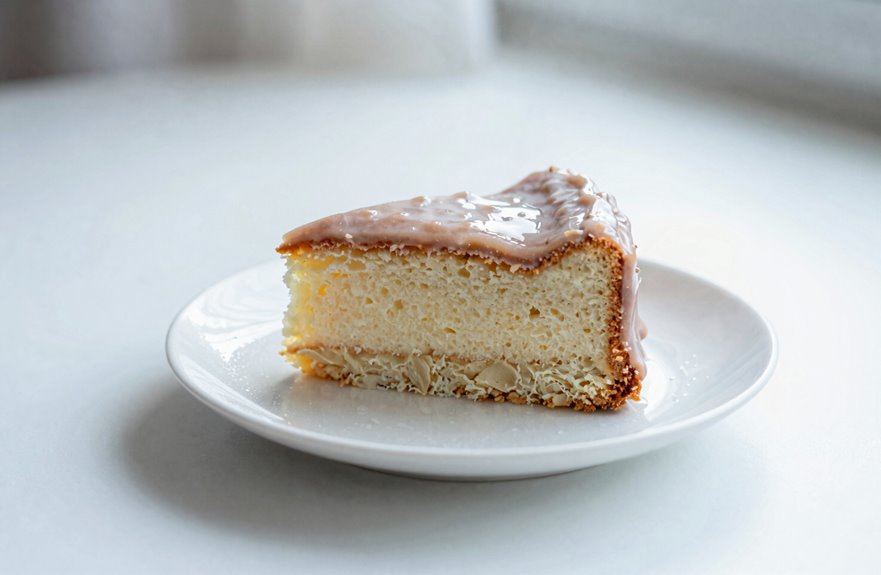
Why does refreezing cake give us pause? Safety isn’t the main culprit; quality is.
Refreezing cake gives us pause not over safety, but over the inevitable sacrifice of quality.
Refreezing cake that’s thawed properly in the refrigerator stays technically safe from a bacterial perspective. Keeping a fridge at 40°F or below maintains the cold chain effectively. However, letting cake warm on the counter invites microbial growth.
Even “safe” refreezing degrades your cake. The texture suffers, and moisture forms unwelcome ice crystals. A perfectly tender crumb can turn stubborn and unappetizing. For whipped cream fillings or delicate mousses, refreezing isn’t recommended.
The practical approach: prioritize freshness over convenience. Thaw once and enjoy immediately. This is the most reliable kitchen practice.

Place your freshly baked Bundt cake inside, set the cover on top, and twist to lock the cake safely inside

FOOD-GRADE MATERIAL: We put your health first, and made this cake carrier with food-grade PP material, ensuring you and your food stay healthy, fresh and safe for all your friends and family!

【Package Includes】There comes with 40 pieces of 8 oz plastic jars, they are round with wide mouth which can easily meet the storage needs of a variety of items. Besides, there comes with 45 extra rewritable labels and a pen as gift, they can help you to figure out what items inside the jar and make a quick choice.
When You Can and Can’t Refreeze Cake

How exactly do you know when that leftover cake gets a second freeze and when it lands in the trash. Thawing method makes all the difference. If you thawed your cake in the refrigerator, you can refreeze it, though quality may diminish. Room temperature thawing means you should not refreeze.
Here’s my quick reference:
| Scenario | My Verdict |
|---|---|
| Thawed in fridge, uneaten portions | Risky refreezing; refrigerate instead |
| Cream or pudding fillings | Never refreeze—texture turns sad |
| Frozen 4+ months whole | Skip refreezing; quality’s already gone |
Freezing works best in portions. Stop the cycle of freezing, thawing, and refreezing. The texture and taste will remain better preserved.
Does Your Thawing Method Matter?

Where you thaw your cake is the deciding factor between a second chance and a one-way trip to disappointment. Your thawing method shapes everything that follows.
Thawing at room temperature invites surface moisture and sogginess, basically resulting in cake that loses its appeal. The refrigerator method keeps your dessert safer and preserves texture. Slow, gradual thawing prevents ice crystal damage that rapid methods cause.
For refreezing, thawing in the fridge sometimes allows safe refreezing, while counter-thawing generally does not. Once you’ve moved cake from freezer to fridge, you’ve got a narrow window. Keep thawed portions wrapped, refrigerated, and eat them promptly. Repeated freeze-thaw cycles degrade flavor quickly, degrading quality with each cycle.

✅EASILY FITS ANY 9 INCH CAKE: Total size is 11.5 inch diameter 6 inch high. White stand has 11 inch diameter. Big enough to fit most 10 in cakes

2 Pack - Rectangular plastic food storage containers

Store, freeze, and transport pies, cakes and pizza securely with this lidded container
How to Refreeze Cake Without Ruining It
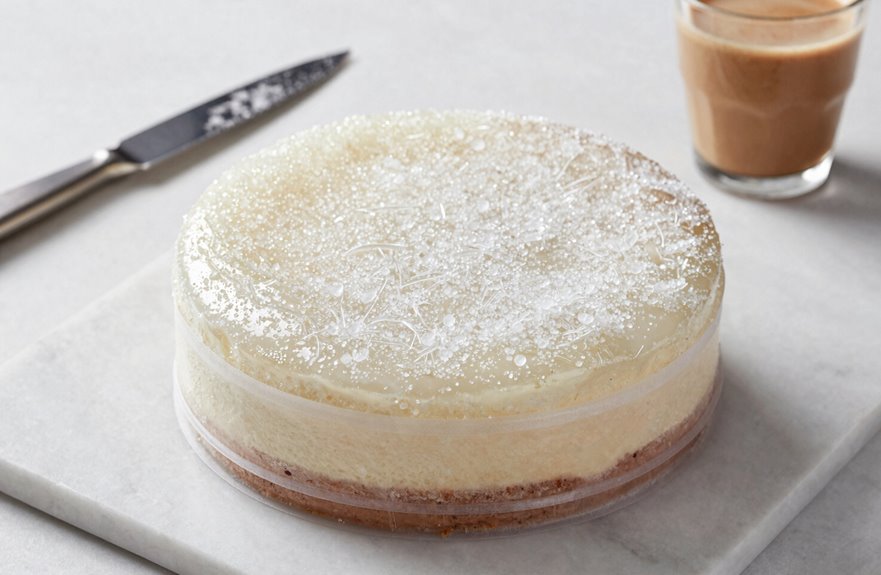
Proper wrapping techniques make or break a refrozen cake. Skip the plastic wrap and you’ll end up with freezer-burned results. Timing matters just as much, so here’s exactly when and how to seal things up tight, plus why rushing this step ruins the texture you’re trying to preserve. Double wrapping prevents freezer burn more effectively than single wrapping.

Ingredients: Dextrose, modified corn starch, phosphate

POWDERED WHIPPING CREAM MIX: Vizyon Boncream Whipping Cream Powder creates a rich, creamy whipped topping when mixed with water or milk, delivering excellent volume and a smooth cream-like finish.

Portable cooling station ideal for catering, drive through window, waffle station, ice cream sundae bar, condiment stand and coffee shops
Proper Wrapping Techniques
Why does a once-fluffy slice turn into a sad, freezer-burned brick? Air sneaking in during storage is usually the culprit.
I always wrap my cakes in plastic wrap first, tight with no gaps. That’s your primary defense. Then I add foil or slide everything into an airtight container. This double barrier blocks freezer burn and locks in moisture.
I once wrapped a cake while warm. Condensation formed, and thawing revealed a soggy mess. Now I cool completely, about two to three hours, before sealing.
I freeze portions, not whole cakes. Smaller pieces freeze faster and more evenly. I label each package with type, frosting, and date, then return to the freezer immediately. Prompt wrapping preserves the homemade texture you want to share.
Timing Considerations
How long can a thawed cake safely sit before it goes back into the freezer? Timing affects both safety and quality of what you’ve baked.
When you’re thawing cake, keep it wrapped and in the refrigerator. This matters. Room temperature thawing creates food safety risks. For refreezing, that cake needs to stay cold; never warm, never in the danger zone. Repackage tightly to prevent freezer burn.
Each freeze-thaw cycle reduces moisture content. Your cake won’t taste exactly the same. Avoid refreezing anything with whipped cream or fondant, as these toppings don’t withstand repeated freezing. If you must refreeze, act quickly and stay organized to minimize quality loss.
Which Cakes Can You Actually Refreeze?
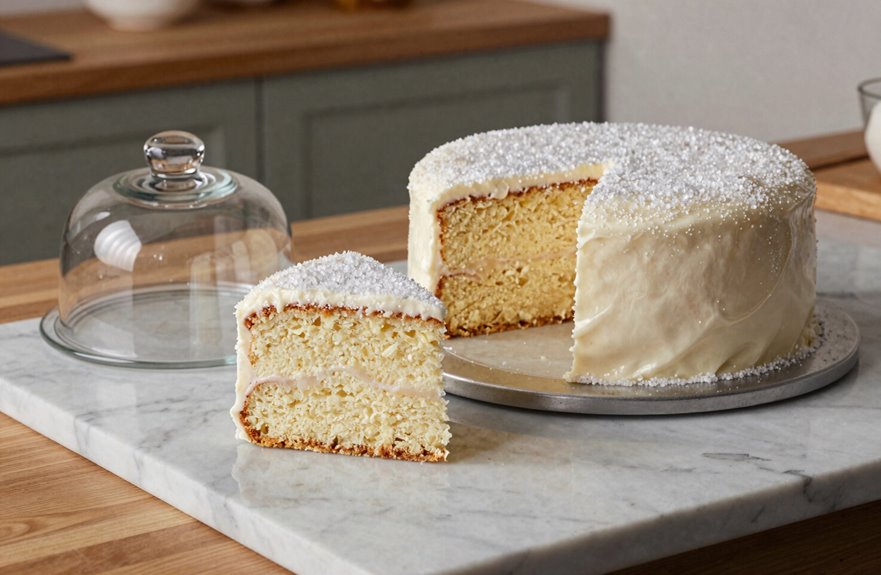
Not every cake makes it through the freezer twice. When freezing cakes again, I stick to unfrosted cake or those with stable buttercream. Dairy-rich fillings separate and turn grainy, so I avoid refreezing those entirely.
What I’ve figured out:
| Cake Type | Refreeze? | My Notes |
|---|---|---|
| Unfrosted sponge or pound cake | Yes | Wrap tight; stays decent |
| Buttercream or ganache frosted | Maybe | Better than whipped cream |
| Whipped cream or mousse frosted | No | Turns to sad puddle |
| Dairy-rich fillings (pudding, cream cheese) | Avoid | Texture breaks down |
I slice whole frosted cakes before refreezing. Layers thaw more evenly this way. I freeze unfrosted layers and add frosting fresh. It’s one extra step, but the result is a cake that tastes fresh rather than freezer-burned.
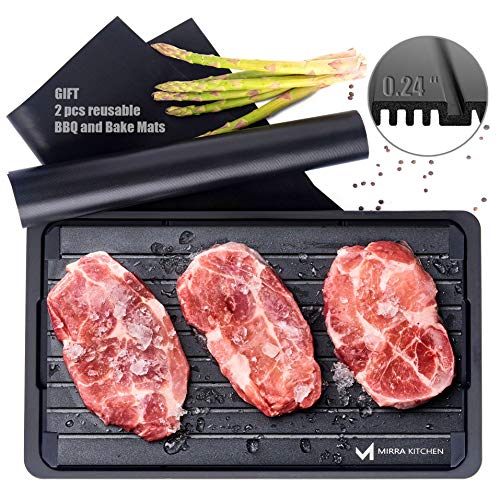
✅ WHILE OTHER DEFROSTING TRAYS ARE too thin, too small or less convenient, the Mirra Kitchen Defrosting Tray Set has a 0.24 inch EXTRA THICK THAWING PLATE with LARGE ENOUGH SURFACE of 14x8 inch for family use and comes with a DRIP TRAY. This means a FASTER THAW of your frozen food, LESS TIME wasted and MORE USEFUL than other brands on the market!

【Ultra-Fast Thawing】This defrosting tray for frozen meat uses high-conductivity aluminum to thaw meat 3x faster than countertop methods. The thawing tray for frozen meat eliminates microwave risks while preserving juiciness - perfect for steaks, poultry & seafood!
How Refreezing Changes Cake Texture
I’ve learned that refreezing cake isn’t just about safety. It’s a texture minefield where moisture loss, structural breakdown, and flavor dulling can turn your dessert into a disappointment. When you freeze, thaw, and freeze again, ice crystals grow larger each cycle, rupturing cell walls and squeezing out the moisture that keeps cake tender. Within 24 to 48 hours of improper storage, you’ll notice the crumb turning dry and mealy. Understanding these three key changes allows you to protect your cake’s quality with the right techniques.

12 inch round container with lid that is great for transporting or storing extra large food items such as pizza and pies

Durable Rectangular Design: Perfect for storing and serving cakes, this sturdy container keeps your treats fresh and secure

The Staple of Your Kitchen: Whether you want to take your lunch to-go, organize for meal-prep, or send some delicious cookies to your loved ones while making sure the food remains fresh along the way, these plastic storage containers are what you need!
Moisture Loss Effects
Why does that second freeze turn your tender crumb into something resembling desert sand? I’ve been there, excited for leftover cake, only to discover moisture loss has struck again. When you refreeze, ice crystals form inside the crumb, puncturing those delicate cells that hold moisture hostage. That moisture migrates outward, and suddenly you’re facing freezer burn on the surface and a Sahara desert inside.
What actually happens is this: thawing creates condensation on the exterior while the interior dries out. Refreezing locks in this uneven distribution. Cream-filled cakes suffer worst. Buttercream separates, pudding weeps, and you’re left with a sad, watery mess. Tight wrapping and gentle thawing minimize the damage. Each refreeze cycle steals a measurable amount of that tender, velvety texture.
Structural Integrity Changes
How exactly does a cake go from proud and tall to something that crumbles at the slightest touch. When you freeze, thaw, and refreeze, moisture migrates and forms larger crystals each cycle.
These jagged little intruders puncture cell walls, leaving your crumb dry or weirdly mushy after thawing. Lean cakes suffer most, think sponge or angel food, while sturdy buttercreams hold together better than whipped cream, which weeps and separates.
Freezer burn attacks exposed surfaces, creating leathery patches nobody wants to eat. I slice cakes into thin layers before freezing; uniform portions mean smaller, gentler crystals. Wrap tightly, thaw gradually, and you’ll preserve that tender texture by minimizing ice crystal formation.
Flavor Degradation Risks
Where does that fresh-baked magic go when you refreeze a cake? I’ve watched moisture redistribution turn my favorite sponge into something resembling desert sand: dry, dense, and somehow both crumbly and wrong. That first bite should transport you; instead, you’re chewing disappointment.
What actually happens is this. Ice crystals grow larger with each freeze-thaw cycle, rupturing those delicate air pockets that make cake feel like cake. The result is texture degradation you can’t un-notice: gritty, grainy, utterly unmagical.
Freezer burn isn’t just surface damage; it’s flavor’s quiet death. Your buttercream separates into watery sadness. Whipped cream weeps. Even “properly wrapped” cakes sweat upon thawing, turning exteriors tacky while interiors turn to paste.
Some cakes, specifically meringue-based and pudding-filled varieties, simply cannot survive this cycle. These desserts deteriorate irreversibly through the freeze-thaw process.
What to Do With Cake Instead
So you’ve got leftover cake and you’re wondering what to do with it. Refreezing isn’t your best bet because freezing works once, but twice ruins texture. Instead, portion your leftovers and use simple refrigeration. Wrap slices individually, refrigerate, and enjoy within 3-4 days. Flavor stays intact with no weird iciness.
Hosting friends? Send guests home with wrapped portions. They appreciate it, and nothing goes to waste.
For future baking, cool cakes completely, freeze them unfrosted, then thaw and decorate fresh. Buttercream freezes fine; whipped cream doesn’t. Skip refreezing anything with pudding or delicate fillings because they turn watery.
Plan ahead once, not twice.

CLING WRAP WITH SLIDE CUTTER-Contains one roll of Reynolds Quick Cut Plastic Wrap with slide cutter, measuring 225 feet long by 12 inches wide (225 square feet)

Plastic Food Wrap: Add our plastic food wrap to your household items to extend food freshness with a tight seal

200 square foot roll of BPA-free plastic wrap