Most unfrosted cakes stay fresh for two to three days at room temperature around 70–72°F. Airtight wrapping is essential, as plastic wrap seals moisture and prevents cakes from becoming dry and dense.
Dairy-based frostings like cream cheese or mascarpone require refrigeration within two to three hours to avoid sour flavors and foodborne illness.
Buttercream and ganache can safely sit out for 2–3 days.
When in doubt, refrigerate; it’s better to bring a cold cake to room temperature than to discard a spoiled one.
The specific storage method depends on the frosting and filling ingredients.
How Long Can Unfrosted Cake Sit Out Overnight?

So you’re wondering whether your unfrosted cake can survive the night on your counter. I’ve left mine out plenty of times, and here’s what I’ve learned.
Your unfrosted cake handles room temperature overnight just fine, especially around 70–72°F. I’ve safely kept mine 2–3 days this way, sometimes 4–5 when my kitchen stays cool. But overnight storage demands one non-negotiable: airtight wrap. Without it, you’re basically inviting your cake to become a brick.
I grab plastic wrap or seal it in a container. The wrap locks moisture in that would otherwise evaporate by morning. Watch for spoilage indicators before serving. Dryness, weird smells, or mold mean it’s trash time. Your nose is rarely wrong about cake.

FOOD-GRADE MATERIAL: We put your health first, and made this cake carrier with food-grade PP material, ensuring you and your food stay healthy, fresh and safe for all your friends and family!

✅ FITS ANY 9 INCH CAKE: Fits 10 inch x 4 1/2 inch cake. Total size is 11.5 inches in diameter and 6 inches tall

✅EASILY FITS ANY 9 INCH CAKE: Total size is 11.5 inch diameter 6 inch high. White stand has 11 inch diameter. Big enough to fit most 10 in cakes
Which Frostings Can Sit Out: and Which Need the Fridge?
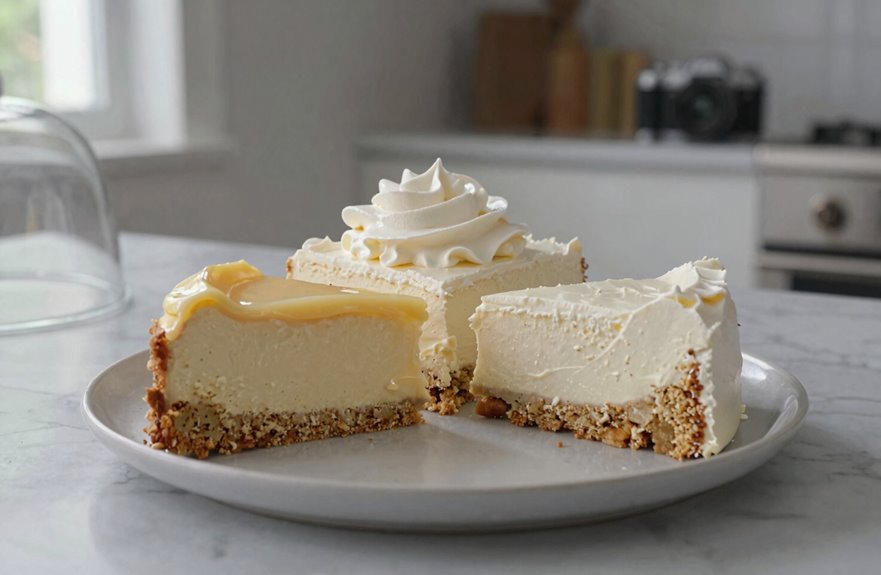
Not all frostings are created equal when it pertains to room temperature endurance. Buttercream and ganache can sit on your counter for two to three days without issue, while cream cheese, mascarpone, or anything loaded with dairy and eggs requires refrigeration pretty quickly, usually within two hours at room temperature. Understanding these distinctions means you’ll never serve a spoiled slice or unnecessarily chill a perfectly stable cake.

PRESS'N SEAL PLASTIC FOOD WRAP: With a quick press and glide, this food wrap keeps food fresh with a leak proof, air tight seal making it the ultimate storage solution; packaging may vary

Plastic Food Wrap: Add our plastic food wrap to your household items to extend food freshness with a tight seal

【 Complete Cake Display Set 】 This 5-piece combo pack includes five 10" black trays, five clear high dome lids, and five 10" corrugated white cake boards, providing everything you need to elegantly showcase your delicious cakes.
Frosting Types Compared
Why does frosting behave so differently when left on the counter? It all comes down to ingredients. Buttercream frosting holds up beautifully at room temperature; I’ve left cakes out for two days without worry. Cream cheese frosting requires refrigeration due to its dairy-heavy composition.
Non-dairy options like ganache share buttercream’s stability. Cream cheese frosting and mascarpone-based creations require the fridge, especially with dairy-based fillings inside. Warm weather changes everything. Heat accelerates spoilage and destroys texture. Cream cheese frosting will weep and slump within hours in high temperatures.
My rule: buttercream stays on the counter; cream cheese frosting goes in the fridge. Your cake’s safety depends on reading the recipe and respecting those dairy contents.
Room Temperature Limits
How long can you actually leave that frosted cake on the counter before it becomes a food safety gamble? Frosting type makes all the difference here. Room temperature works beautifully for buttercream or ganache. I’ve kept those out for two days with no issues. Cream cheese or mascarpone frostings require refrigeration.
Perishable fillings change everything. Custard-filled cakes should not be left out; dairy-heavy fillings and fresh fruit demand cold storage. Without refrigeration, two to three hours is your safe window.
Storage time extends when you’ve got butter-based frosting without perishable fillings. Those cakes stay moist for two to three days at room temperature. When uncertain, refrigerate to prevent foodborne illness.
Cheesecake and Mousse: Can They Sit Out?
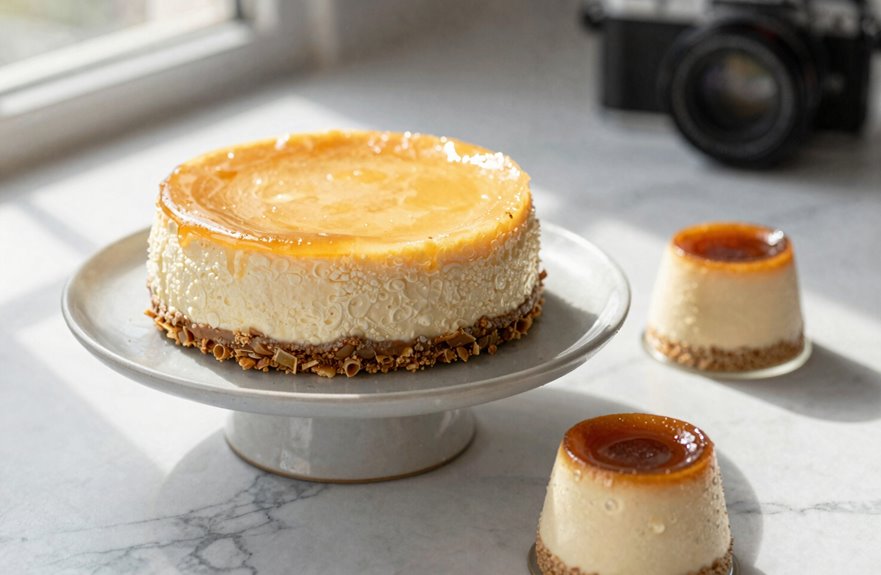
What’s the real difference between a standard buttercream cake and something like cheesecake or mousse? It’s all about what’s inside. These treats rely on dairy and eggs, making them far more delicate at room temperature.
I learned this the hard way at a summer potluck. My beautiful mousse sat out for three hours. Nobody got sick, but the texture turned weird, and I tossed the rest. Cheesecake and mousse demand refrigeration with no exceptions. Keep them cold and enjoy within three days of baking.
Warm, humid conditions accelerate spoilage. Watch for off smells, curdling, mold, or sour flavors. When serving, pull slices from the fridge and return leftovers promptly. Proper storage prevents foodborne illness and maintains quality.

READY-TO-USE CONVENIENCE: Save time and effort with pre-made buttercream that’s perfectly smooth and ready to spread, ideal for both quick projects and detailed cake designs.

A TRUE, BRIGHT WHITE — NO YELLOW TINT — A clean, pure-white buttercream for wedding cakes, all-white designs, and a bright base that keeps your colors true.

No Prep Needed – Skip the mixing! This premium buttercream is ready straight from the tub—perfect for busy bakers and last-minute decorating.
Can Fondant Cake Sit Out Overnight?

So you’ve got a fondant-covered masterpiece and you’re wondering if it can survive the night on your counter. Staring at that gorgeous creation while weighing your options is common.
Fondant acts like edible armor. It creates a protective seal that helps your cake sit out overnight safely when conditions are right.
Fondant acts like edible armor, creating a protective seal that keeps your cake safe overnight when conditions are right.
Consider these factors:
- A cool kitchen at 70–72°F keeps things stable
- A cake dome or wrap blocking air and weird fridge odors
- That smooth fondant surface staying firm, not weeping
- The underlying cake staying moist beneath its sugar shield
- Dairy lurking inside that changes everything
Room temperature works for short periods, but safety matters. Fondant cakes last 3-4 days wrapped properly. Beyond that, refrigeration becomes necessary. Just bring it back to room temperature before serving for best texture.

The information below is per-pack only

The information below is per-pack only

One 8 ounce tub of Plain Cream Cheese
When to Refrigerate Cake: The Dairy Check
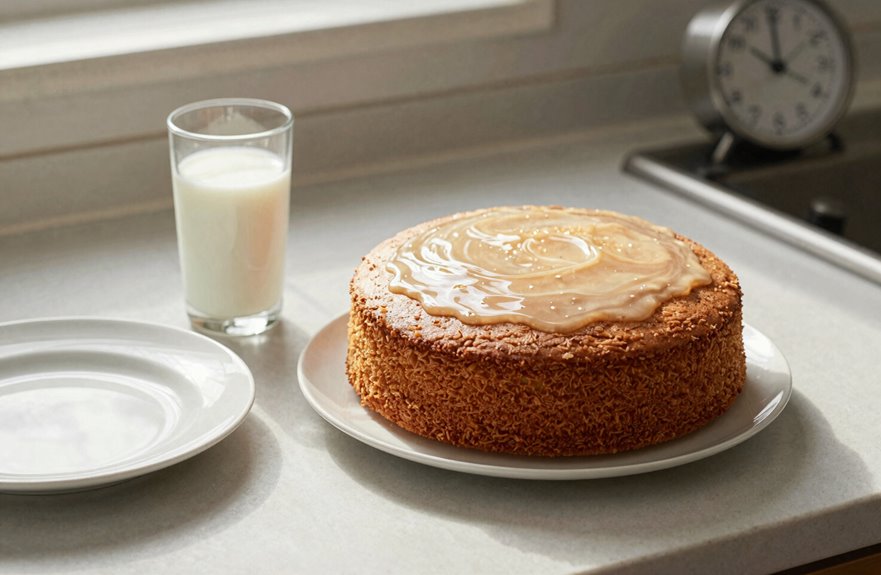
I always check my frosting before deciding where to store a cake, because cream cheese, buttercream, and whipped cream spoil quickly at room temperature. These dairy-based frostings require refrigeration, so I place those cakes directly into the fridge. The same rule applies when I’ve used custard or curd fillings. Those rich, eggy layers need cold air to remain safe and maintain their texture.

Cake Transport Container: Our cake transport container have 3 secure side clamps lock that click firmly onto the tray, protect your cake or food safe
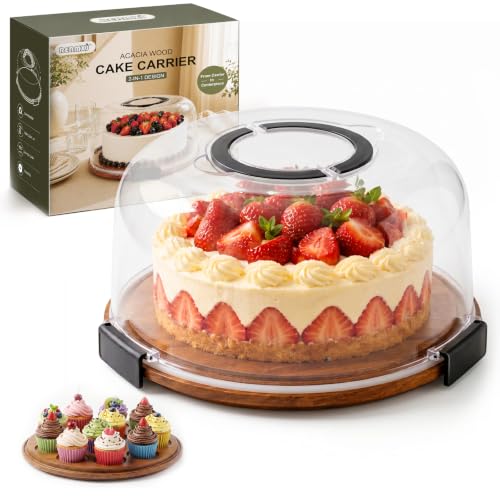
ELEGANT ACACIA WOOD CAKE HOLDER DISPLAY – Let your cake take center stage. The crystal-clear dome beautifully showcases every detail while keeping your dessert covered. The cake holder is perfect for Birthdays, Dinners, Holidays, and special gatherings

Place your freshly baked Bundt cake inside, set the cover on top, and twist to lock the cake safely inside
Dairy-Based Frostings
A buttercream catastrophe taught me early: dairy spoils fast. Since then, I’m vigilant about cream cheese and mascarpone frosting. These require refrigeration, not the countertop.
- Swirls of cream cheese frosting glistening under kitchen lights
- A knife slicing through cool, dense mascarpone layers
- Condensation beading on a chilled cake dome
- Soft frosting turning glossy and strange in summer heat
- The quiet hum of the refrigerator protecting your work
I keep dairy-based frosted cakes at room temperature only two to three hours maximum; less when it’s warm. Cooler homes around seventy degrees buy you slight extension, but the risk of spoilage isn’t worth it. Refrigeration prevents separation, off smells, and waste. Check the frosting with your nose before serving. If it smells off or looks separated, discard it.
Custard and Curd Fillings
Custard and curd fillings operate on the same biological rules as frosting, but they’re deceptive in their innocence. That glossy lemon curd or silky vanilla custard is basically a bacterial playground at room temperature. Food safety demands refrigeration for cakes with these components. No exceptions.
Two hours is my ceiling for leaving them out, three if conditions are cool. After that, spoilage becomes a real risk. Refrigeration keeps the filling stable; no curdling, no separation, no weeping.
I wrap my cakes snugly before chilling. Thirty minutes before serving, I pull them out. The texture softens, the flavors wake up, and the timing appears intentional. This approach yields the best results.
How to Store Cake Overnight Without Drying It
When I need to keep a cake perfect until morning, I reach for plastic wrap first, not foil, which can let air sneak through. I cover tightly, pressing the wrap directly against the frosting to seal out air completely. For unfrosted cakes, I nestle them into an airtight container; it makes all the difference. If I’ve got perishable fillings like cream cheese or fresh fruit, I don’t hesitate. The fridge becomes essential. Overnight storage in our kitchen looks like this:
- Plastic wrap hugging buttercream like a second skin
- A glass dome catching morning light on the counter
- Frosting staying soft, not cracking under dry air
- An airtight container clicking shut with satisfaction
- The cool darkness of a pantry corner guarding sweetness
No one wants a sad, crumbly slice. These methods keep moisture locked in where it belongs.

CLING WRAP WITH SLIDE CUTTER-Contains one roll of Reynolds Quick Cut Plastic Wrap with slide cutter, measuring 225 feet long by 12 inches wide (225 square feet)

【100 Value Package】: This bulk set includes 100 individual plastic containers. Whether for daily use, food trucks, catering services, or office meal prep, these takeout boxes are the perfect cost-effective solution.

【100 Value Package】: This bulk set includes 100 individual clamshell containers. Perfect for cupcakes, muffins, cookies, donuts, cocoa bombs, pastries, and other baked treats for weddings, birthdays, and special occasions.
How to Freeze Cake to Store It Longer
Freeze cake properly, and you’ll thank yourself weeks later when that chocolate layer tastes bakery-fresh. Freezing cake extends shelf life beautifully, but only if you start with room temperature layers. Never wrap warm cake unless you enjoy soggy disappointment.
For unfrosted layers, wrap each one twice in plastic to create an airtight seal. For frosted cakes, freeze uncovered on a baking sheet first, then wrap once solid. Individual slices require double-wrapping in plastic plus a freezer bag.
Thawing requires patience. Transfer to the fridge overnight, then let it warm to room temperature before serving, usually about an hour. Whole frozen cakes need about two hours refrigerated, then one hour at room temperature.
Label everything with dates. Your future self deserves that small courtesy. Freezing cake preserves quality for three months.

READY-TO-USE CONVENIENCE: Save time and effort with pre-made buttercream that’s perfectly smooth and ready to spread, ideal for both quick projects and detailed cake designs.

Swiss-meringue style buttercream with a silky, high-gloss finish and light vanilla flavor — softer, smoother and less sweet than traditional American frosting

Our Sweet, creamy frostings take any treat from delicious to delightful.
Spoilage Risks: What Happens to Left-Out Cake
How long can you really push it before that beautiful slice turns on you. Room temperature creates conditions that accelerate spoilage.
Here’s what happens when you ignore the clock:
- Creamy layers weeping into soggy crumbs
- Fuzzy colonies of mold claiming your corner piece
- Once-fluffy sponge turning to desert-dry disappointment
- Dairy frosting souring into something that bites back
- That first suspicious sniff telling you it’s too late
Spoilage moves fast with dairy frosting, think 2-3 hours, not days. Texture deterioration can wreck a ganache-topped cake overnight. Custards and mousses require proper chilling to prevent off-flavors and microbial growth. Green spots and other visible mold indicate the cake is unsafe to eat.

One 16 oz can of Duncan Hines Creamy Cream Cheese Frosting

PHILLY CREAM CHEESE: Two 8 oz blocks of Philadelphia Original Cream Cheese

Eight 14 oz cans of Duncan Hines Whipped Cream Cheese Frosting
When to Toss Cake: 5 Signs It’s Gone Bad
I’ve learned through experience that guessing isn’t worth the stomachache. When it comes to food safety, knowing the signs of spoilage prevents foodborne illness.
First, trust your nose. A sour or fermented smell means it’s done. Second, dairy fillings like cream cheese or whipped cream spoil fast at room temperature. If they’ve sat out past two to three hours, discard them. Third, texture tells the truth: dry sponge, rubbery layers, or slimy spots signal trouble. Fourth, watch for wet, soggy surfaces, especially with fruit. Fifth, mold anywhere means the whole cake goes. No exceptions.
These five signs of spoilage are your guide. When you spot them, don’t hesitate. Discarding questionable cake prevents potential illness.


PORTABLE & EASY TO CARRY - Say goodbye to cake disasters... With double strong carrying handles, this travel cake carrier makes transport safe and stress-free. The round cake carrier design is perfect for parties and picnics. Avoid those dreaded cake mishaps!

【Package Included】Package included 1pcs 10in foldable cake carrier with lid and handle.