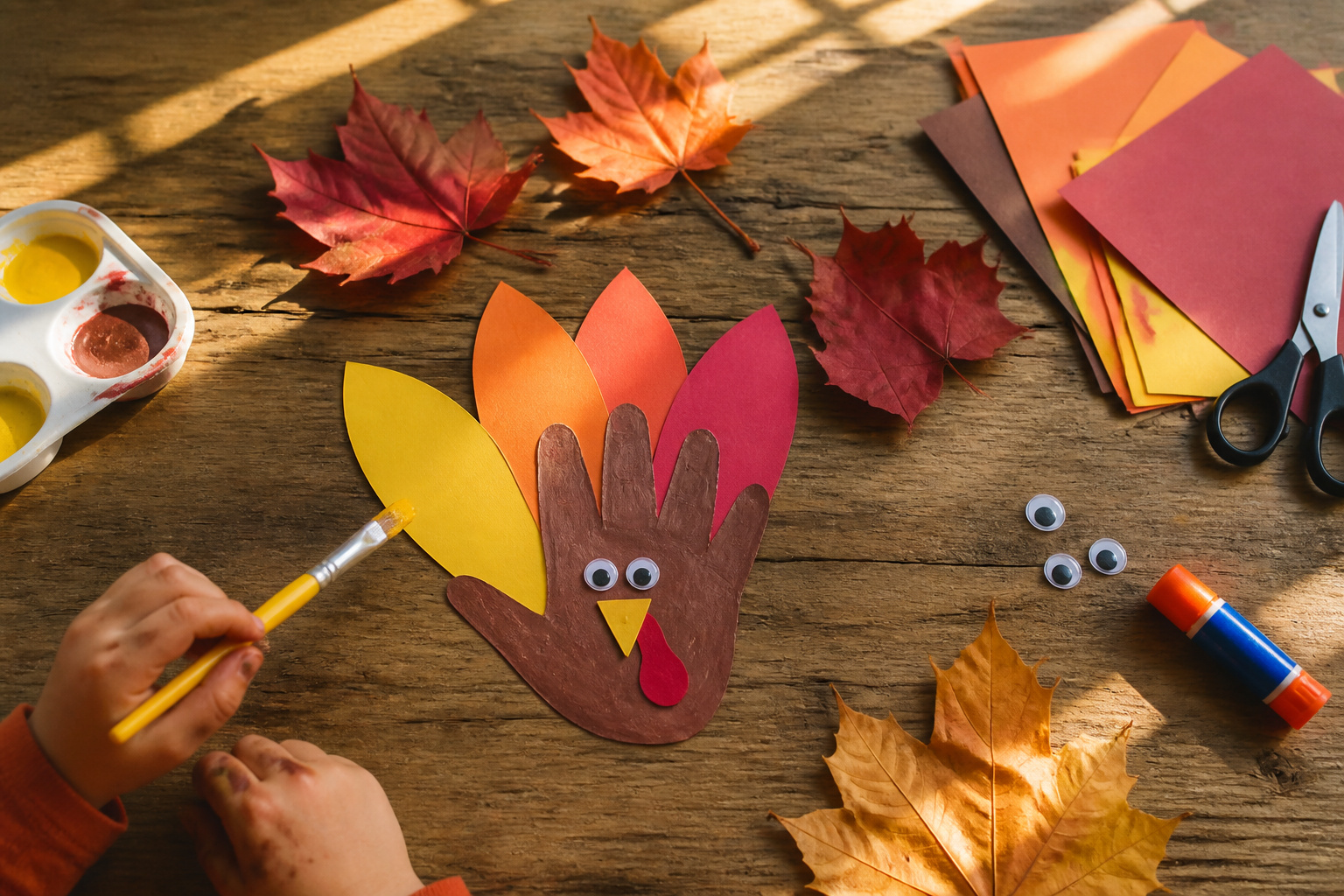
A turkey craft activity at home works best when it matches the child’s age and the amount of cleanup you can handle afterward.
The handprint turkey needs only paper and something to draw with, while the 3D toilet paper tube version demands googly eyes, construction paper, and a glue stick that dries fast enough to keep feathers from sliding.
Most projects finish in one sitting if you limit the thankful turkey to three feathers, which is enough to make a child pause and think without the activity dragging into dinner prep.
Thankful Turkey Craft
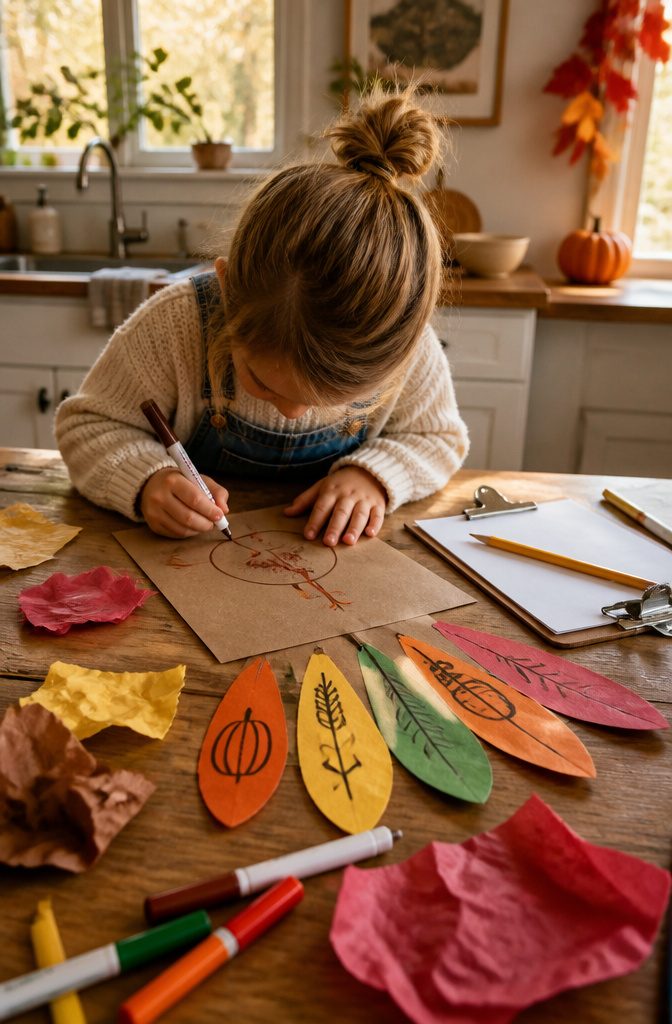
Construction paper, markers, and a pair of scissors are all the setup this one needs.
The child draws or traces a simple turkey body on one sheet, then cuts feather shapes from another color. On each feather, they write or draw something they’re grateful for.
Most teachers who run this in classrooms ask for three things, which feels like the right number: enough to make the child pause and think, not so many that the activity drags.
The physical part matters more than it looks like it would.
Holding the marker, deciding where on the feather to write, attaching each piece to the body with tape or glue, the whole sequence keeps hands busy while the mind works through what gratitude actually means.
A kindergartner might draw their dog, their grandma, and macaroni.
A third grader might write "my friends," "our house," and "that Dad got better." Either way, the thought landed on paper because the feather was waiting for it.
The finished turkeys work pinned to a bulletin board or propped on the dinner table as a centerpiece.
Three feathers keeps the project tight enough to finish in one sitting, which matters on a busy November afternoon when dinner still needs prep.

What you get: there are 36 pieces of turkey paper crafts and 216 pieces of colorful feather cards, along with 240 pieces of glue point dots, enough to meet your needs for Thanksgiving crafts

Thankful Turkey Theme: The craft kit focuses on creating a "Thankful Turkey" prayer jar, perfect for teaching kids about gratitude and thanksgiving through creative expression.
Handprint Turkey
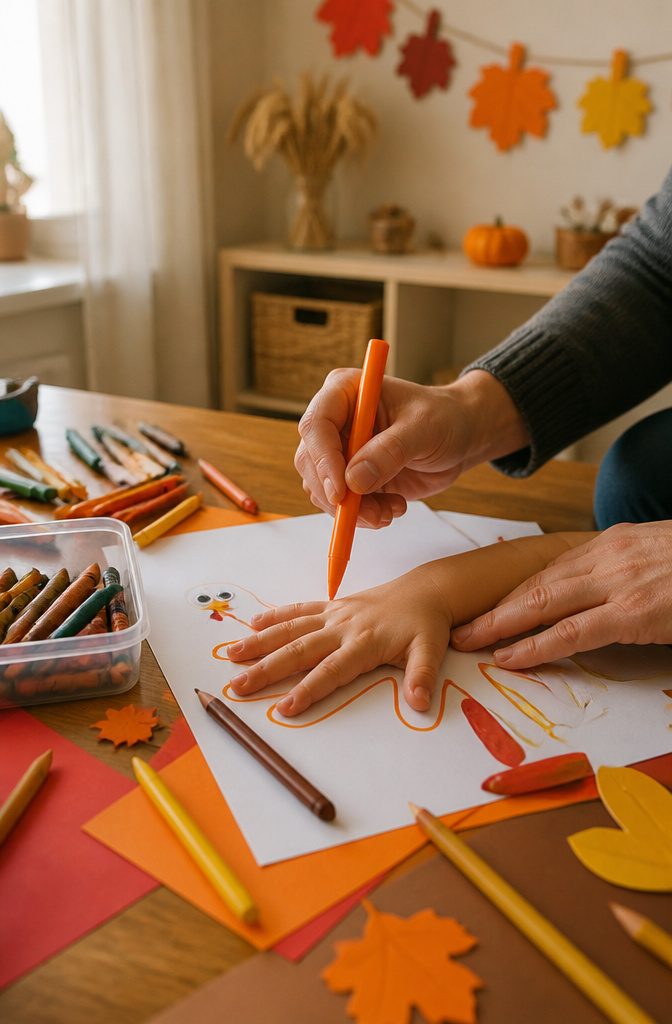
The handprint turkey survives for one reason: it needs nothing but paper and something to draw with.
Crayons, markers, colored pencils, watercolor paints, or oil pastels all work. A child spreads their fingers, someone traces the outline, and the five digits become feathers without anyone having to explain why.
I have watched toddlers manage this one while older projects sat untouched.
The tracing itself is the first skill; the cutting comes next and gives those feather shapes a little definition. After that, the decorating is open-ended.
Eyes, a beak, a wattle, legs drawn underneath or glued on from scrap paper. One year my dining room ended up covered in them, a whole flock of slightly lopsided birds lined up along the window.
For a sturdier version, the same hand tracings can be cut from construction paper and glued around a toilet paper tube. Googly eyes or a black marker finish the face.
It takes the same core idea and gives it a little height for the centerpiece table. But the flat version still wins for the youngest kids and the least cleanup.

Thanksgiving Handprint Turkey Craft Kit: embrace the festivities with our Thanksgiving handprint turkey craft kit, the package includes an abundant 48 pcs paper (24 sets, 2 in each), 500 glue points (5 sheets, 100 in each), 50 fake eyeballs, and enough red ropes of about 25.59 inches length, ensuring a rich crafting experience that you can share with others, making the holiday more memorable by diving into this fun filled crafting experience

【What You Get】The pack contains a set of 10 handprint DIY greeting cards with Fall themed patterns. It's an ideal handprint art for your sweet little handprints, perfect for creating a treasured keepsake. (PAINT/ INKPAD IS NOT INCLUDED).

Thanksgiving Handprint Kits: each set includes 30 turkey themed Thanksgiving greeting cards, with 3 different styles, 10 cards each, and 3 different colors of large size ink pads that can accommodate a whole palm
3D Toilet Paper Tube Turkey
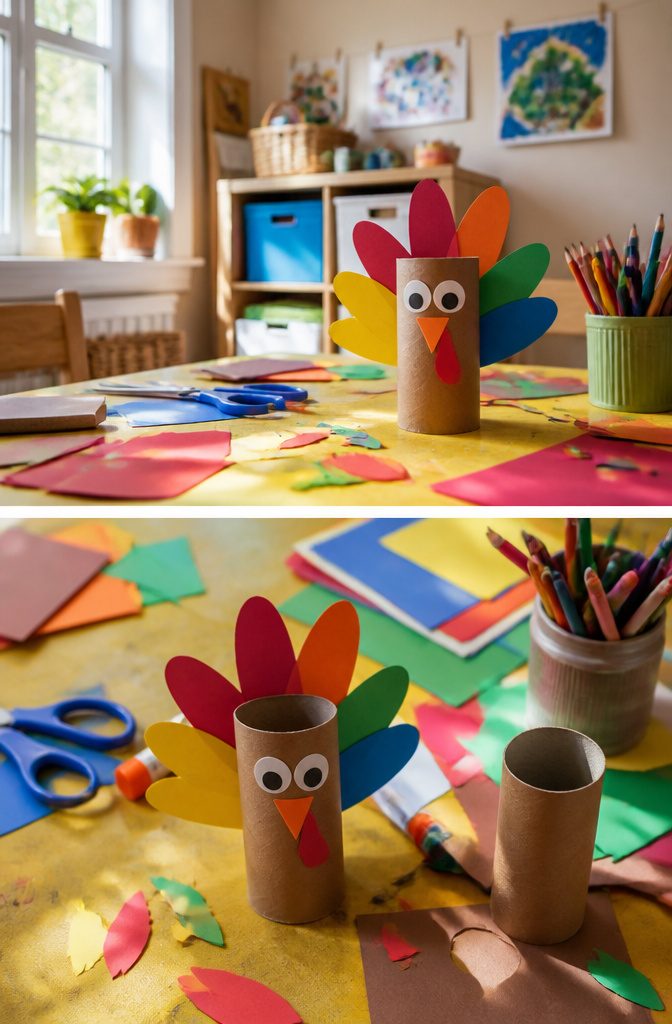
The toilet paper tube makes the body, and the hand tracings become feathers that actually stand out from the surface instead of lying flat.
You will need a toilet paper tube, googly eyes, and construction paper in a few different colors. A black marker works in place of the googly eyes if the craft store run is one you are skipping.
Trace the child’s hand on the construction paper, once for each feather color you want. Cut those out and glue them in a fan across the back of the tube so they stick up and out.
The tube sits upright on its own, which means this turkey has a front and a back and a shadow, not just a drawing.
Glue the googly eyes to the front, add a beak and wattle from more construction paper, and the thing is done.
The hand tracings are what make it feel like a Thanksgiving ritual rather than just another cardboard animal.
My own elementary classroom did flat hand turkeys every year, and the 3-D version keeps that same personal mark while giving kids something that can stand on the windowsill until the gravy cools.


6 Piece Craft Scissors : Arts & Crafts Decorative Scissors For Paper Set Provides Endless Design Possibilities for Your Albums, Greeting Cards, Memory Books, Gift Tags & Other Paper & Photo Crafts,6 Creative Craft Supplies Scissors with Unique Pattern

What’s Included: This premium pack of scissors features 12 different decorative blades, including Torn Paper, Half Circle, Lightning, Small Wave, Zipper, Royal, Big Wave, Victorian, Zig Zag, Cloud, Rocky, and Stamp.
Turkey in Disguise
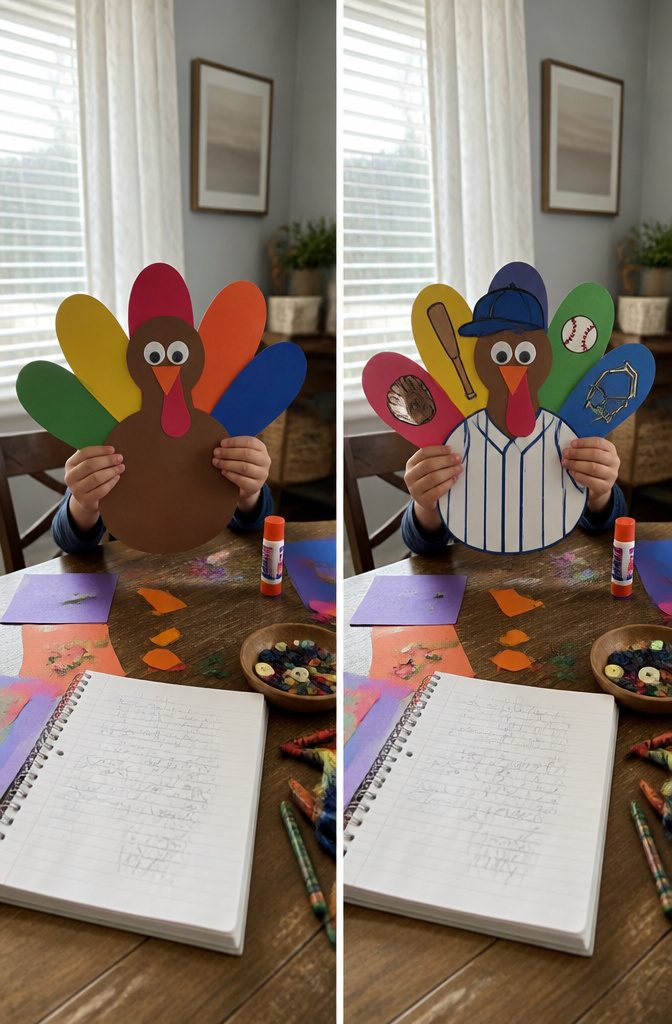
The turkey in disguise project starts with a simple paper turkey body, then the real work begins. Kids choose what their bird is hiding as, a baseball player, a slice of pizza, a snowman, anything that feels funny to them.
Construction paper, glue, and whatever odds and ends live in the craft bin turn the idea into something you can hold.
The writing prompt comes after the glue dries. Ask the child to explain, in first person from the turkey’s point of view, why this particular disguise felt like the safest bet.
A third grader might write three sentences; a fifth grader might spin a whole backstory about the turkey’s cousin who got caught last Thanksgiving.
The craft gives them something to look at while their hands are busy, and the writing gives the disguise a reason to exist beyond the joke.
For slightly older children, this combination works better than either half alone. Pure writing prompts can feel like school; pure crafts can feel finished too fast.
Together they stretch the afternoon without stretching anyone’s patience. The finished pieces also make decent table decorations, which the kids notice and care about more than you’d expect.
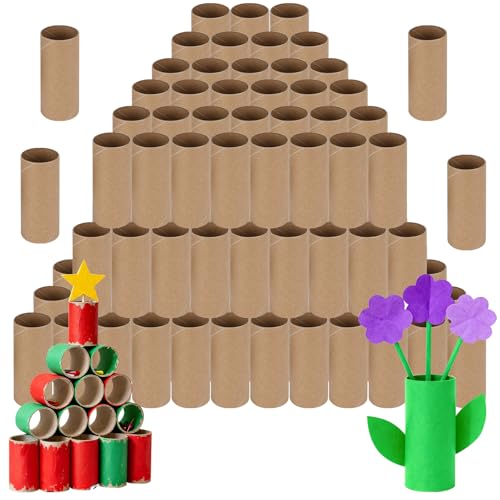
100 pcs cardboard tubes with box: You will got 100 pcs cardboard tubes for crafts with box , convenient for long-term storage, suitable for schools, families, and handicraft enthusiasts to use in bulk

100 Pack Value Set for Craft Projects:Includes 100 sturdy cardboard tubes, ideal for DIY crafts, classroom activities, kids art projects, holiday decorations and group crafting needs

120 Pcs EmptyToilet Paper Rolls for Crafts: Each of these paper towel rolls for crafts measures 1.5 W x 3.75 L inches,great for school craft projects, classroom and family
Sticky Contact Paper Turkey
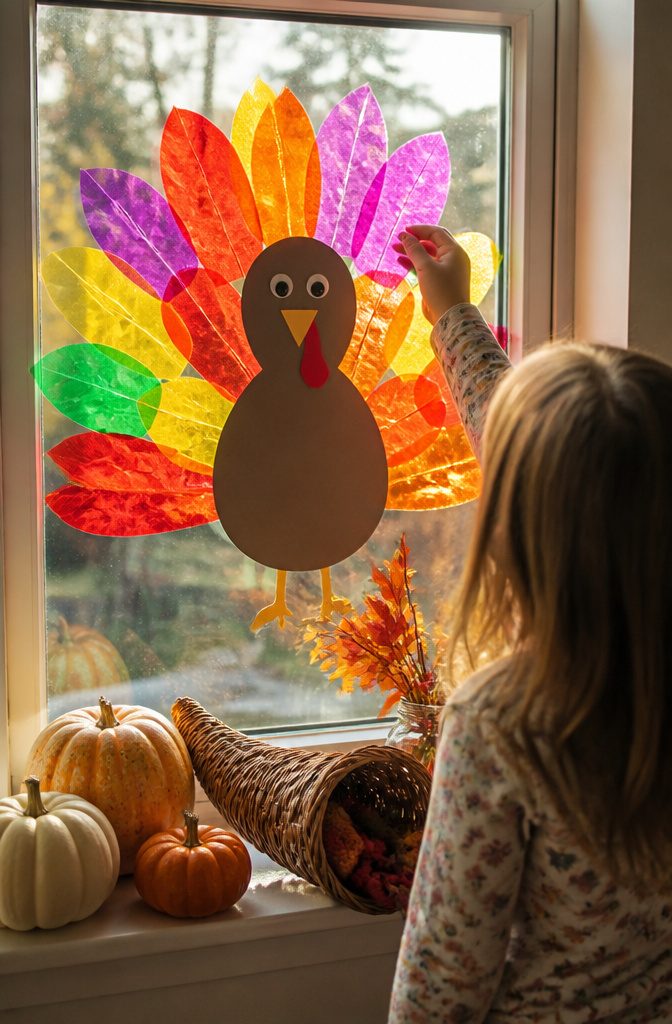
Clear contact paper turns a window or wall into a tacky canvas that holds feathers without a single drop of glue.
Tape the sheet sticky-side-out, press on a turkey body cut from brown construction paper or a paper grocery bag, and hand over the feathers. Toddlers who cannot yet squeeze a glue bottle manage this one on their own.
The transparency catches afternoon light, so the finished turkey glows from behind like stained glass. When the holiday ends, peel the whole thing down in one piece.
No dried glue on the table, no feather fragments in the carpet. The repositioning is half the point: a child sticks a feather, changes their mind, and moves it again without ripping paper or starting over.
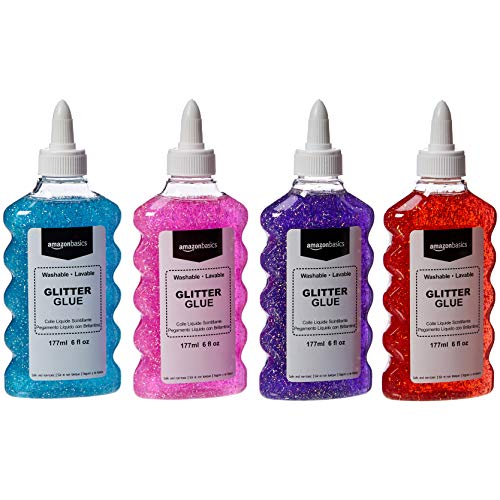
4 bottles of liquid glitter glue in purple, pink, red, and blue (6 ounces each)

The Emraw Bright Classic Colors 20 ml Glitter Glue comes in a pack of 12 bottles and its used to adds a bold, glittery pop to your crafts and school projects. This craft glitter glue is formulated to be able to stick to paper, wood and foam etc.

Bold colors
Turkey Hat Craft
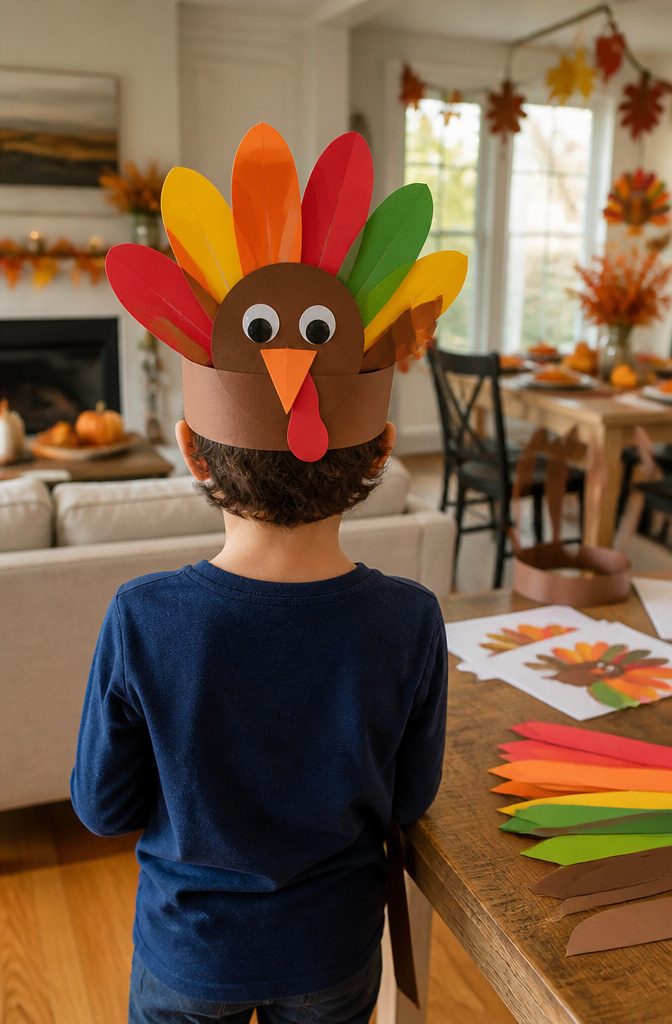
A turkey hat turns the child into the bird, and that shift matters more than the construction itself.
The craft stops being a table decoration and becomes a costume, which means kids wear it through dinner, parade around the living room, and sometimes refuse to take it off for the car ride home.
Most printable sets offer four options for Thanksgiving hats and headbands: two turkey designs, one pilgrim pair, and one Native American pair.
That variety helps if you have a classroom or cousins at different tables who all want their own look.
The build is simple: print, color, cut, and attach to a sentence strip sized to the child’s head. No glue drying time, no waiting for paint to set.
The sentence strip is the practical detail that makes this work for weeknight cooking.
It bends, it fastens with a staple or tape, and if it tears you cut another strip in thirty seconds. Compare that to a paper plate hat with glued feathers that sheds pieces across the kitchen floor.
The wearable aspect gives the craft a second life after the table is cleared, which matters when you need that hour of occupied time to finish the gravy.

24 sets Thanksgiving turkey ornaments craft kits include 24 pcs turkey tail fan foam cutouts in 6 designs, each design has 4 pcs. 24 pcs turkey body cutouts foam stickers in brown, 184 pcs turkey feather cutouts foam stickers in 6 designs, 24 pcs pilgrim hat cutouts foam stickers, 72 pcs turkey wing and beak foam stickers, 48 pcs pumpkin foam stickers, 48 pcs googly eye stickers, 100 pcs pom-poms, 1 sheet artificial rhinestone stickers, 24 pcs satin cords, 1 pc step-by-step instructions.

Festive Turkey Craft Design: Feature cute turkey cutouts with I Am Thankful For printed on the belly & colorful paper feathers to decorate; fun fall crafts encourage gratitude & creativity for kids & adults; ideal for Thanksgiving place cards & decor

Package Includes: You'll receive 12 sets Thanksgiving turkey coloring photo Frame in 6 different designs, 2 of each, generous quantity to satisfy your Thanksgiving decoration needs. This Thanksgiving turkey crafts set is ideal for DIY coloring, allowing you to create a variety of artistic creations and create turkey craft frames in a variety of colors as Thanksgiving party favor
Coloring Turkey Pages
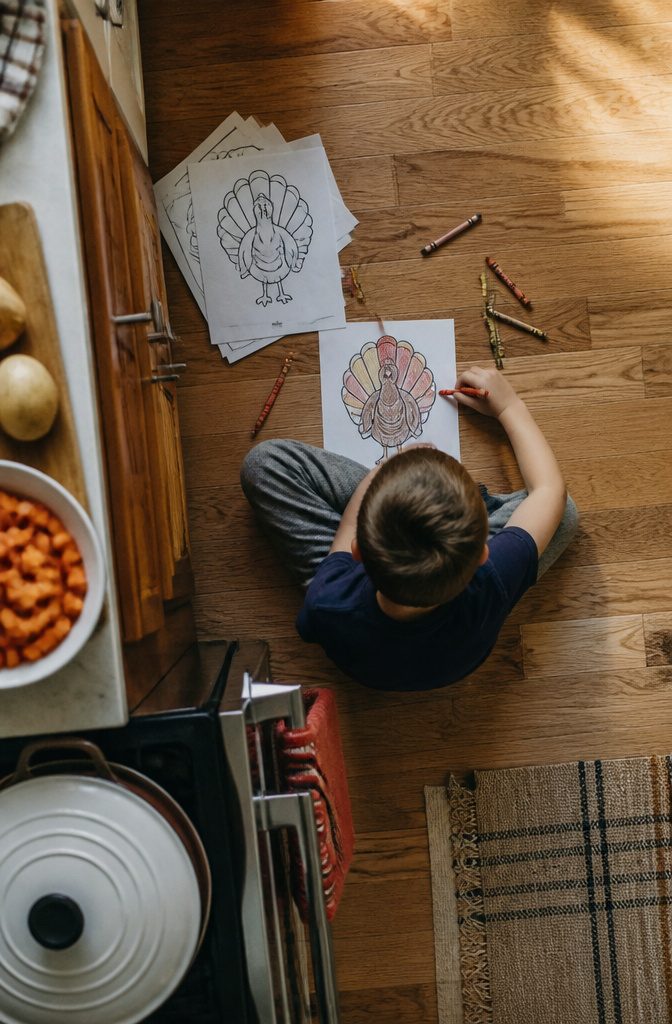
Printable turkey coloring pages land right where you need them: the afternoon before Thanksgiving, when the kitchen is loud and the youngest kids are underfoot but already too tired for glue sticks.
Paper and crayons are the whole supply list, which matters when every drawer is already pulled open for the meal.
The designs range from simple outlines for toddlers still learning to stay inside the lines to pages crowded with pumpkins and feathers that keep a kindergartener busy through one whole side dish.
I have watched a three-year-old color the same turkey red from head to toe while I peeled potatoes three feet away; the activity holds because the child controls it entirely.
Quiet and solo is the point here. No shared materials to fight over, no drying time, no help needed beyond maybe sharpening a crayon.
For families with mixed ages, this is the bridge activity: the big kids build something messier at the table while a preschooler works flat on the floor nearby, everyone occupied in the same room but not in the same project.
The pages suit daycare or school settings too, though at home they earn their keep specifically as the low-energy option.
Download, print, hand over. The cleanup is picking up paper.

HIGH-QUALITY TURKEY CUT-OUT - Made from 24 lb. /89 gsm paper in assorted fall colors, these turkeys will enhance your space! Turkey shapes are 5.5” tall by 5" wide, with 100 per pack.

Thanksgiving Turkey Cutouts: this handprint turkey bulletin board decoration is filled with 118 Thanksgiving cutouts, including a large turkey, 4 letters, 80 handprint cards, 30 borders, and comes with 7 clear adhesive dots and an effect sheet; This could be great for your Thanksgiving decorating needs

Notes: This craft kit does not include painting tools
Build a Turkey Craft
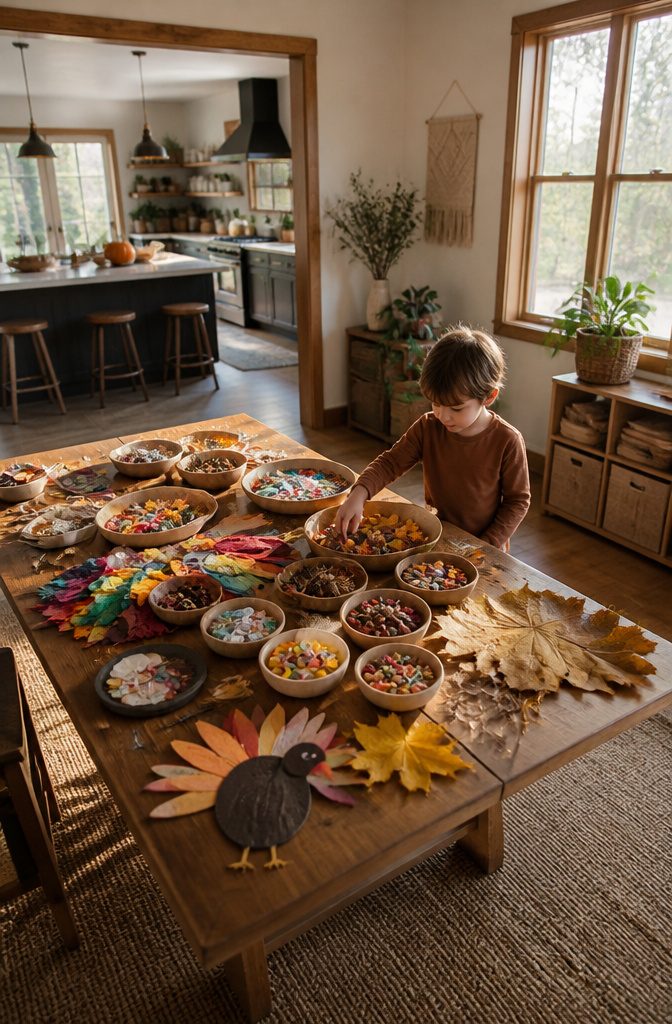
A build-a-turkey craft works best when the table holds loose parts instead of a single template.
Paper circles, fabric scraps, buttons, and leaves collected from the yard all become fair game for feathers, bodies, and wattles. Children decide the shape of the body, how many feathers attach, and whether the turkey stands or hangs.
That freedom costs something in cleanup time; bits of material scatter wider than a paint-by-number project, and some children pause longer than others at the starting line.
The craft suits kids who have already sat through enough structured activities to feel the itch for their own call. Around age six or seven, the decision-making becomes the point rather than the obstacle.
Set out the materials in bowls sorted by type, not by turkey part, so a leaf reads as a feather option without being named one. The child who wants fourteen buttons and no paper at all is doing it right.

6 PIECE SCISSOR SET: Comes with 6 pieces of paper edge scissors that measure 5'', it's great DIY tool kit for school, homework or interactive crafts of parents and kids. This art scissor set allows for endless possibilities to decorate your albums, memory books, scrapbook, kids' paper crafts, greeting cards, and more.
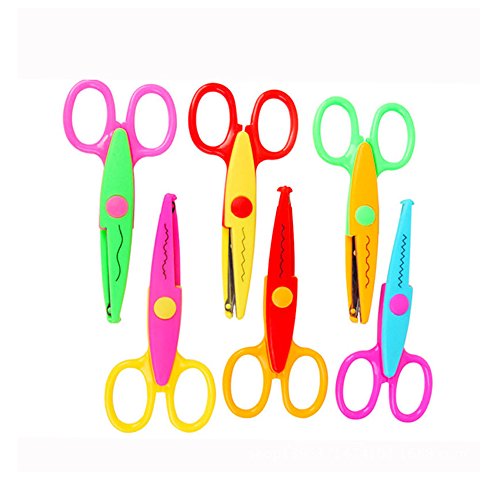
Material: plastic color handle, stainless steel blade.

[ENTRY-LEVEL PAPERCRAFT SCISSORS] These scissors are specially designed for paper craft art such as paper cutouts, kirigami, and collages. The sharp and thin blade is ideal for precision paper cutting work. Supervised by Japanese papercutting artist Ms. Hina Aoyama.
Materials That Actually Matter
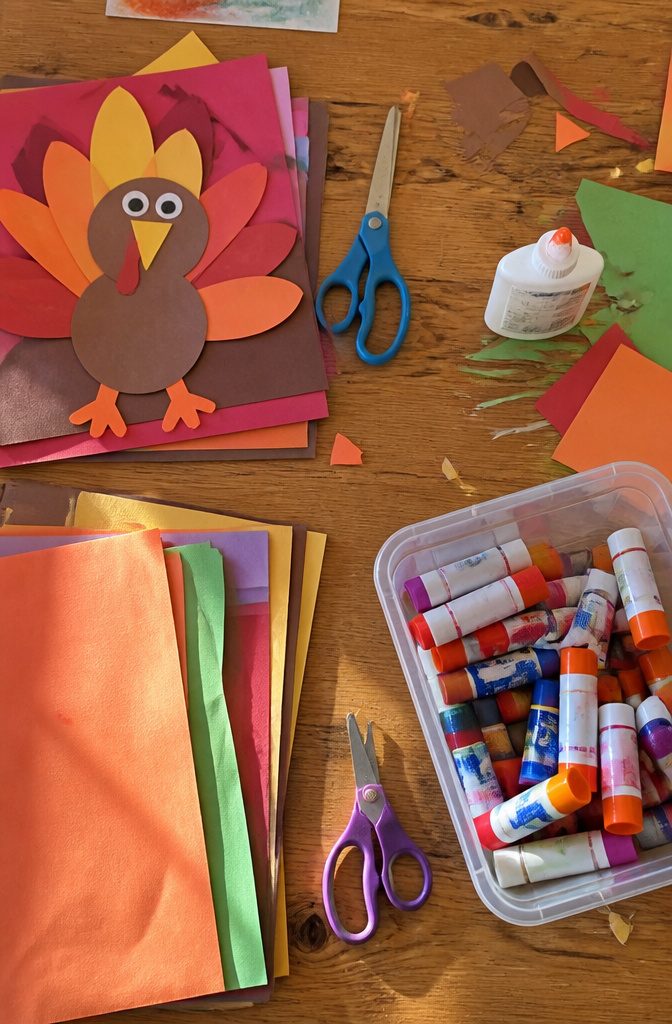
Construction paper sits at the center of almost every turkey craft activity, and the weight matters more than the color range. Standard nine-by-twelve sheets handle glue without warping, which keeps a handprint turkey flat enough to tape to the refrigerator.
Markers need to be the washable kind; the others stain the table through the paper when a kid presses hard tracing their hand.
Scissors and glue are non-negotiable, but the glue type is where you choose.
A glue stick keeps fingers cleaner and dries fast enough that feathers do not slide. Bottled glue holds heavier additions like a toilet paper tube body, though it adds drying time most parents underestimate.
Craft feathers are the one item worth a separate trip if your grocery store does not stock them.
Construction paper feathers cut with pinking shears work in a pinch, but they read as fringe rather than plumage, and kids notice the difference.
Googly eyes are interchangeable with a black marker dot; both rank about the same for holding a child’s attention.
Skip contact paper unless you already own a roll. The sticky turkeys look impressive online, but the setup takes longer than the craft itself, and preschoolers mostly stick the paper to themselves.

Empty toilet paper rolls size - Diameter: 1.57 inch, Length: 3.9 inch; Suitable size and lightweight for your convenience; sturdy thick cardboard tube instead of the flimsy tube found in toilet paper rolls.

Products include: 64 craft rolls, long lasting value bundle, sufficient quantity, perfect quality, large quantity packaging, ideal for manual work.

Great Value Set: You will receive 70-pack craft paper tubes, with a plentiful quantity to easily meet your various crafting needs. Additionally, we guarantee a 30-day free exchange/return policy. Feel free to contact us if you have any questions.
What Age Means for Each Craft
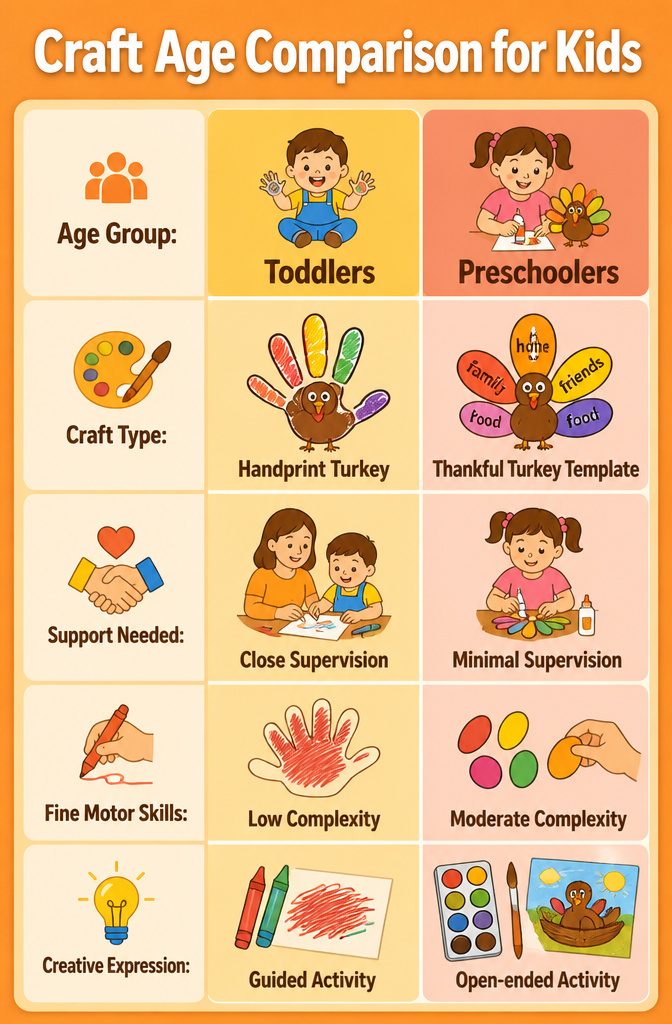
Toddlers need a craft that forgives wobbly hands. The handprint turkey works here because the outline does the structure for them; they just scribble inside the lines with crayons or markers, and the fan of fingers still reads as feathers.
Scissors are out, so tearing paper or pressing foam shapes into place keeps frustration low. A grown-up stays close for the tracing, but once the outline is down, hovering only interrupts their concentration.
Preschoolers can handle the thankful turkey template, writing or dictating one word per feather, or sticking on ovals with drawings or photos.
The fine motor demand jumps from filling a shape to placing smaller pieces with intention, and the attention span stretches to match.
Supervision at this stage is mostly about keeping glue off the table, not the project. They want it to look like a turkey, and they will notice if a feather droops.
Early elementary kids hit a different wall: the same crafts bore them, or they overwork the details until the paper tears.
Giving them watercolor paints or oil pastels instead of crayons raises the complexity without adding steps, and designing a background or a nest turns a repeat craft into something they own.
Skip the projects built for toddlers; the simplicity that saves a two-year-old costs a seven-year-old their patience.

Add a bold, glittery pop to your projects and homemade slime!

Vibrant Colors: The 10 pack Glitter Glue Stick Set comes in assorted colors that are perfect for adding a touch of sparkle to any art project or decoration.

Versatile Crafting Tool: Our 12 Pack 10.5 ML Glitter Glue Sticks serves as the perfect glitter paint pens, adhering seamlessly to paper, foam sheets, and more. These glitter pens for crafts ensure a bubble-free application, enhancing any art project or decoration.
What Kids Learn Without Knowing It
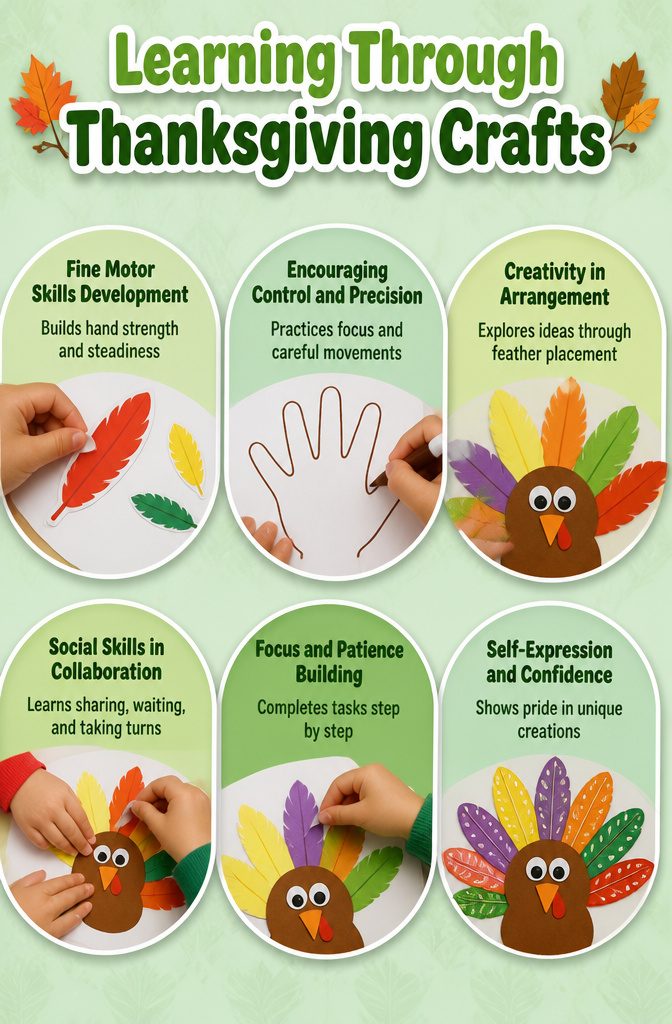
Peeling the backing off a feather sticker and pressing it onto paper without wrinkling the edge takes more control than most adults remember.
The small muscles in a child’s thumb and forefinger get a genuine workout from that motion, and the repetition builds steadiness faster than tracing worksheets manage.
A handprint turkey pushes the same muscles differently: the child has to hold the marker still while tracing around fingers that want to curl, which teaches the counterintuitive skill of keeping one hand motionless while the other moves.
Creativity shows up in the arranging, not the finishing. A contact-paper turkey lets a child place feathers at wild angles or stack three in one spot and leave the other side bare.
That freedom matters more than the finished bird looking balanced. Group crafting adds a practical layer: one child holds the paper steady while another presses, or they negotiate who gets the last orange feather.
The social skill is not abstract teamwork; it is the specific act of waiting five seconds without grabbing.
Frequently Asked Questions
What materials do I need for turkey crafts?
Construction paper, markers, scissors, glue, and craft feathers form the core list for most projects. Washable markers keep tables clean, and standard nine-by-twelve construction paper resists warping under glue.
A glue stick works faster than bottled glue for flat projects, while the bottle holds heavier pieces like toilet paper tubes. Googly eyes add personality but a black marker dot fills the same role.
What age is this craft suitable for?
Toddlers manage handprint turkeys with crayons or markers while a grown-up traces their fingers. Preschoolers handle thankful turkeys with three feathers and glue with supervision mostly aimed at the table, not the art.
Early elementary kids need more open choices, watercolor paints or designing backgrounds, to keep the activity from feeling too simple. Each stage matches a different project rather than stretching one craft across all ages.
How can I make turkey crafts more educational?
The learning hides in the doing. Peeling and placing feathers builds the small hand muscles that later hold pencils.
Arranging feathers at odd angles or stacking three on one side exercises creative decision-making. Group crafting adds practical social practice: one child holds paper steady while another presses, or they wait five seconds for a shared orange feather.
The thankful turkey folds in gratitude by asking children to name what matters before the glue dries.