Most buttercream frosting is naturally gluten-free when made from basic ingredients like powdered sugar, butter, milk, and vanilla extract, but store-bought versions can hide wheat in unexpected flavorings or manufacturing cross-contamination. Gluten-free labels matter more than most people assume. Even reputable brands have stumbled, like Duncan Hines’ cookie dough frosting that contains actual wheat while their other flavors stay safe.
Whether you’re buying tubs off the shelf or beating butter in your own kitchen, knowing exactly what goes into your frosting keeps your cake celiac-friendly without sacrificing that smooth, spreadable texture.
The following sections explain how to spot hidden gluten, whip up your own batch, and keep it fresh for weeks.
Is Buttercream Frosting Naturally Gluten-Free?
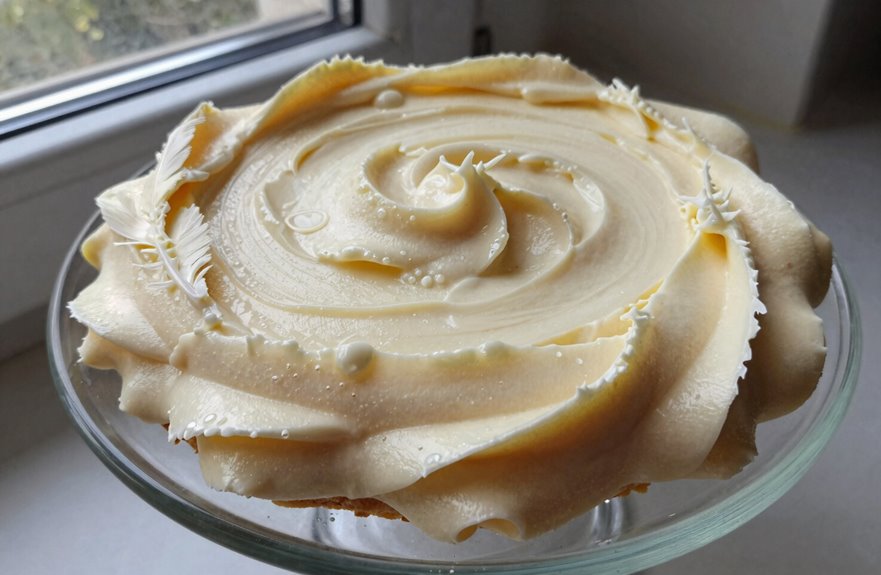
Why does buttercream frosting matter so much to gluten-free bakers? It provides reliable safety for those avoiding gluten. Buttercream frosting is naturally gluten-free when made with gluten-free ingredients: powdered sugar, butter, milk, and vanilla extract contain no gluten by default. I always double-check labels anyway, as cross-contamination can occur during manufacturing.
For dairy-free needs, vegan butter and non-dairy milk work as successful substitutes. Those remain gluten-free if you select certified gluten-free options. Clean equipment is essential; wash bowls, whisks, and spatulas thoroughly before use. Gluten-free labeling on every component ensures safety. Store-bought versions can be addressed separately. For now, homemade buttercream offers control and allows you to verify every ingredient yourself.

WHIPPED FROSTING: A delicious artificially flavored butter cream frosting with a light, airy texture; Great for icing baked goods such as cakes, cupcakes, and cookies
The information below is per-pack only

OREO CRÈME FROSTING: Irresistible whipped frosting inspired by the center of an OREO Cookie; Tastes great on gluten free cakes, cupcakes, cookies and more
Hidden Gluten Sources in Store-Bought Frosting
How often do we grab a tub of frosting without a second thought? I’ve done it dozens of times, assuming all packaged frosting is safe. That assumption can be incorrect.
We grab frosting without a second thought, assuming it’s safe—but that assumption can be incorrect.
Many gluten-free frosting options exist, but hidden wheat ingredients lurk in unexpected flavors. Cross-contamination poses real risks depending on facility sourcing. You won’t spot these concerns without careful label reading.
What I’ve discovered: Betty Crocker gluten-free frostings carry clear labels. Duncan Hines gluten-free options work for most flavors, though their cookie dough variety contains wheat. Pillsbury frosting appears safe per their website, but verification is still necessary.
When in doubt, contact the manufacturer directly for confirmation. Your safety depends on this step, not on convenience.

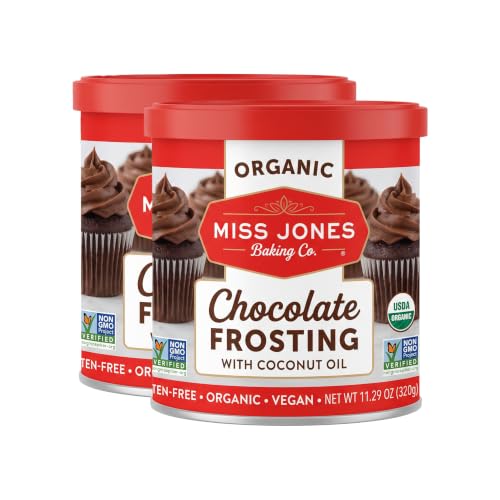
HERSHEY'S MILK CHOCOLATE TASTE: A delicious artificially flavored chocolate frosting that's perfect for baked goods such as cakes, cupcakes, and cookies


RAINBOW CHIP FROSTING: The colorful chips are in the delicious frosting; Goes great with baked goods such as cakes, cupcakes, and cookies
How to Make Gluten-Free Buttercream From Scratch
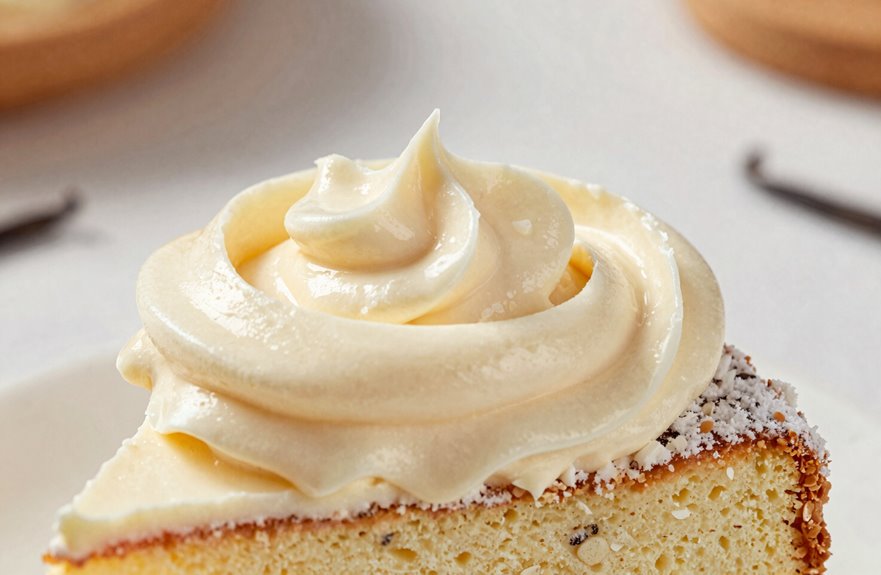
The perfect gluten-free buttercream starts with one non-negotiable: room-temperature butter. Cold butter fights you, while room temperature butter creams into silky perfection in minutes. Whip it for two full minutes before adding anything else.
Next comes sifted sugar. Lumps ruin frosting texture. Add confectioners’ sugar gradually, about three cups per cup of butter, alternating with splashes of milk or cream. Vanilla extract goes in last, just a teaspoon.
Gluten-free recipes shouldn’t feel limiting. The whipping time matters significantly. Four to five minutes transforms grit into clouds. Too stiff. Add milk by the teaspoon. Too soft. More sifted sugar saves it.
This base welcomes everyone, including those needing dairy-free buttercream later.

DELICIOUSLY CREAMY, FLAVOR-PACKED VARIETY: The Clean Simple Eats Variety Pack includes 10 single-serve packets featuring our most crave-worthy flavors—Simply Vanilla, Chocolate Brownie Batter, Chocolate Peanut Butter, Coconut Cream, and Mint Chocolate Cookie. Each one delivers a rich, smooth, and satisfying experience you’ll actually look forward to. It’s the indulgent sampler everyone is raving about.


DELICIOUSLY CREAMY CHOCOLATE PEANUT BUTTER: Because chocolate + peanut butter just might be the greatest flavor combo of all-time. Milk chocolate flavor with added peanut butter goodness! Just like a PB cup, but packed with 20g of protein. Heck yes.
Dairy-Free and Vegan Swaps That Actually Work

What happens when butter’s off the table? Dairy-free butter substitutes like Earth Balance or Miyoko’s salt-free butter work well in gluten-free frosting. Some brands need extra gluten-free powdered sugar to firm up properly.
For vegan frosting swaps, thin with dairy-free cream or unsweetened almond milk instead of regular cream. This produces a cream-cheese-like texture. Your vegan version will turn slightly pastel while maintaining excellent flavor.
Always verify labels for cross-contamination, even with gluten-free vanilla extract. Non-dairy milk adjustments are straightforward: add more powdered sugar if it’s too soft, or splash in extra dairy-free cream if it’s stiff. Frosting consistency is achievable with these swaps.

PERFECT VANILLA INDULGENCE: With LillyBean's Gluten Free Vanilla Bean Buttercream Frosting Mix, you can effortlessly whip up creamy, fluffy frosting in just minutes. This versatile mix delivers the perfect balance of rich vanilla flavor and smooth texture, making it ideal for frosting cakes, cupcakes, and other desserts.

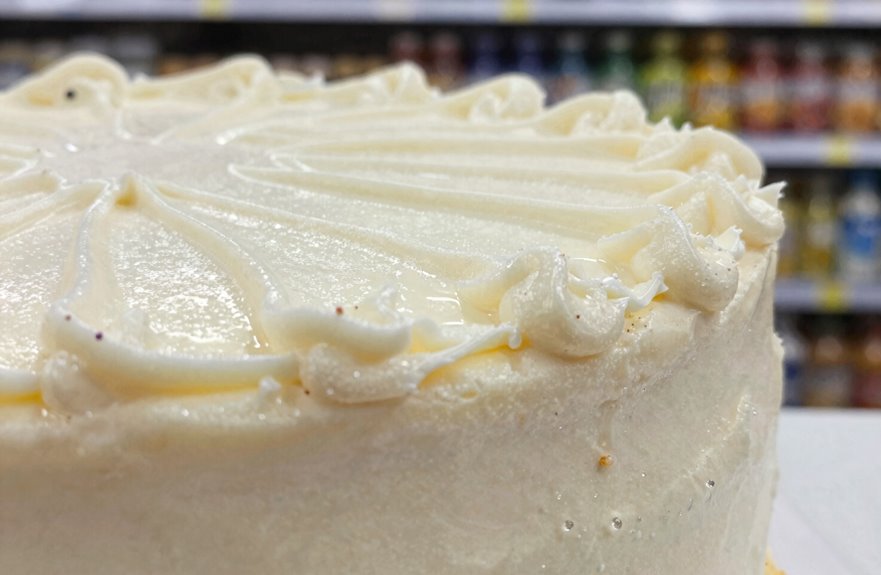
Swiss-meringue style buttercream with a silky, high-gloss finish and light vanilla flavor — softer, smoother and less sweet than traditional American frosting

Storing and Freezing Homemade Gluten-Free Frosting
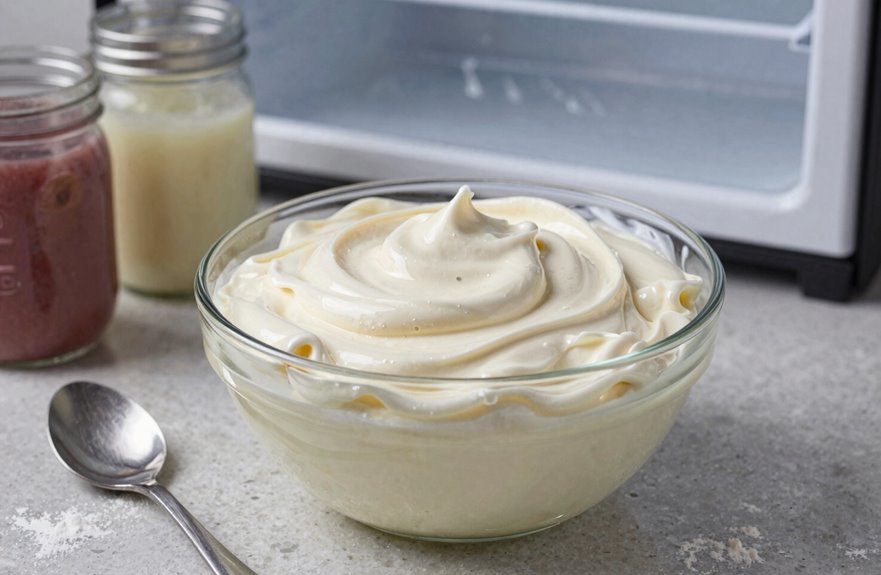
My homemade gluten-free frosting’s staying power depends entirely on how you store it. I always transfer leftover gluten-free frosting into an airtight container and pop it in the refrigerator for up to two weeks.
Here’s what I’ve learned about keeping your frosting perfect:
| Storage Method | Timeline & Tips |
|---|---|
| Refrigerator | Up to 2 weeks; bring to room temperature before using |
| Freeze | Up to 3 months; defrost overnight in fridge |
| After defrosting | Re-whip to restore smooth texture and original body |
For dairy-free versions, you’ll want extra powdered sugar since they set softer. When I’m ready to use refrigerated frosting, I let it sit out until it reaches cool room temperature, then re-whip to revive that silky texture. Patience here transforms grainy spread into bakery-worthy perfection.

AUTHENTIC MEXICAN VANILLA: Delivers a rich, spicy sweetness that enhances french toast, whipped cream, cakes, cookies, and more.

ORGANIC VANILLA FLAVORING with the same great, rich flavor as the extract, without the added alcohol. Use just as you would vanilla extract.

Premium Aged Vanilla Extract - Carefully crafted using a slow aging process, this vanilla extract delivers a rich aroma and smooth flavor. Made from non-synthetic sources, these vanilla beans blend smoothly into drinks, frostings, and desserts, supporting consistent flavor performance for everyday baking and home cooking.