Fall baking desserts are the quick breads, pies, and spiced cookies that fill American kitchens from October through Thanksgiving.
The catch is that most home bakers treat pumpkin, apple, and pecan as interchangeable vehicles for cinnamon, when each ingredient actually demands a specific technique.
Brown butter needs thirty seconds of attention at the finish or it burns; pumpkin puree requires vegetable oil, not butter, to keep quick bread tender rather than cakey. The fifteen recipes here start with those distinctions and build outward.
1. Pumpkin Bread
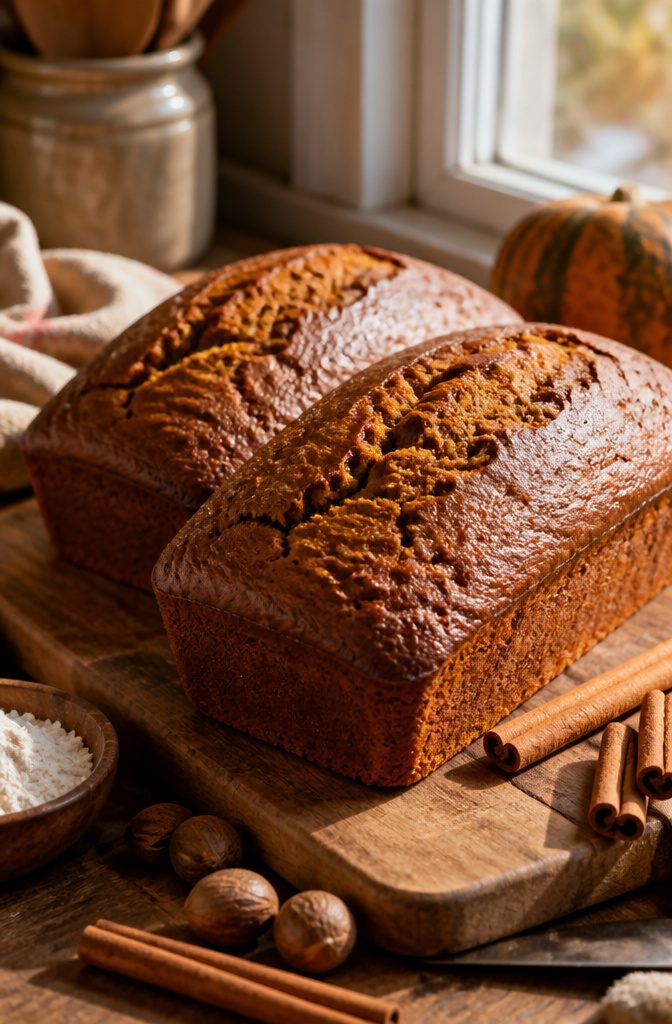
Canned pumpkin puree and the usual pantry spices build a quick bread that stays moist for days. Vegetable oil beats butter here; it coats the flour proteins more completely, so the crumb turns tender rather than cakey.
The batter will look thin when you pour it, thinner than most quick breads, and that is exactly right. Two 8.5-by-4.5-inch loaves bake at 350°F for 50 to 60 minutes.
Start checking at 50; a toothpick in the center should come out with a few moist crumbs still clinging. Let the loaves cool in their pans for ten minutes before turning them out, or they will tear at the edges.

SWEET AND SATISFYING: Fall in love with fall flavors. The perfect blend of pumpkin and spices in Krusteaz Pumpkin Spice Quick Bread Mix creates a mouthwatering taste that complements everything from a warm cup of coffee to a Thanksgiving feast.

Bundle of 6 Packs: Includes six 15 oz. packs of multipurpose Pumpkin Spice Baking Mix, perfect for seasonal baking.

Libbys All Natural 2 Loaf Pumpkin Bread Kit With Icing Thanksgiving Holiday Gift Box
2. Apple Crisp
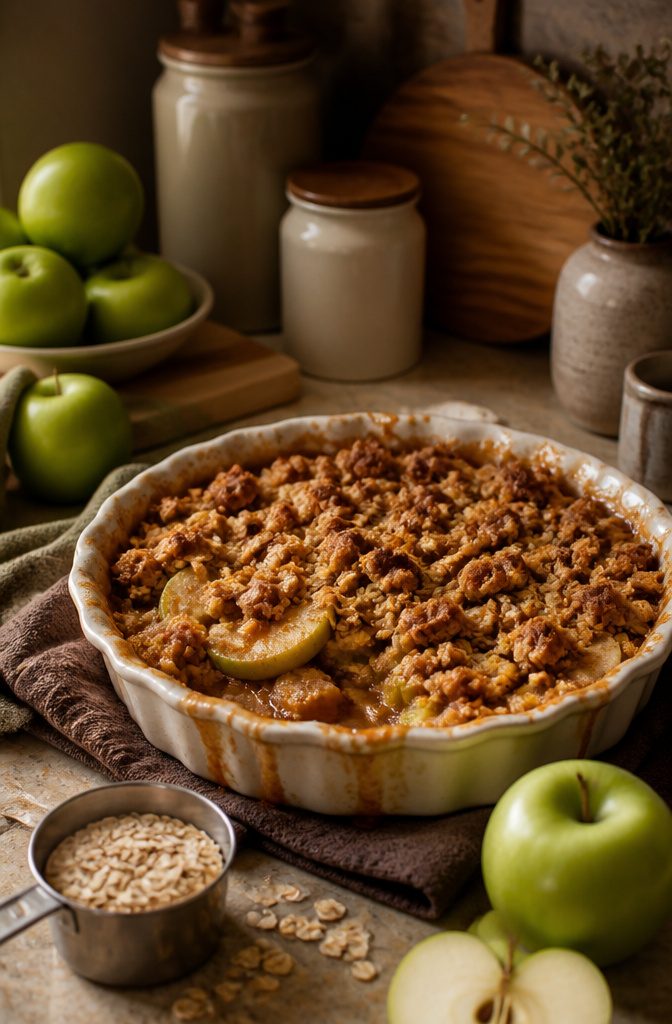
Apple crisp sits right in the middle of the fruit-and-streusel family, and the distinctions matter mostly at the potluck when someone asks what you brought.
A crisp tops sliced fruit with butter, flour, brown sugar, and oats worked together until the mixture clumps in uneven pieces. A crumble skips the oats entirely, so the topping bakes up more like soft cookie dough.
A cobbler drops biscuit dough over the fruit in rough rounds, half-submerged and half-exposed, and the result looks like the cobblestone streets the name references.
For the filling, Granny Smith or Honeycrisp both hold their shape through baking without turning to sauce. Peel them, slice to about half an inch thick, and pile them into a buttered baking dish.
The topping needs cold butter cut into the dry ingredients until the pieces range from pea-sized to larger crumbles; warm butter makes paste instead.
Bake at 375°F until the fruit bubbles actively at the edges and the streusel browns deeply, usually 40 to 45 minutes.
The bubbling tells you the cornstarch or flour thickener in the filling has done its job. Leftovers, if there are any, reheat poorly in the microwave; a 350°F oven for ten minutes restores the crackle.

EASY AS APPLE PIE: Apple crisp is an all-time favorite. Whether served hot or cold, with ice cream or hot drinks, it’s a classic hearty dessert that’s always enjoyed. Sylvia’s Apple Crisp mix makes it a breeze to put together, with delicious results every time. Treat yourself and impress your family with the perfect apple crisp which is, according to Sylvia, ‘America’s favorite’. Enjoy!

Warm Homemade Crisp: Just add fresh apples and butter, bake at 375°F for 20-30 minutes, and serve a golden, bubbling apple crisp straight from the dish. No measuring spices, no scratch mixing - ready for weeknight dinners, and cozy fall baking days

Convenient mix for creating classic apple crisp at home
3. Snickerdoodle Cookies
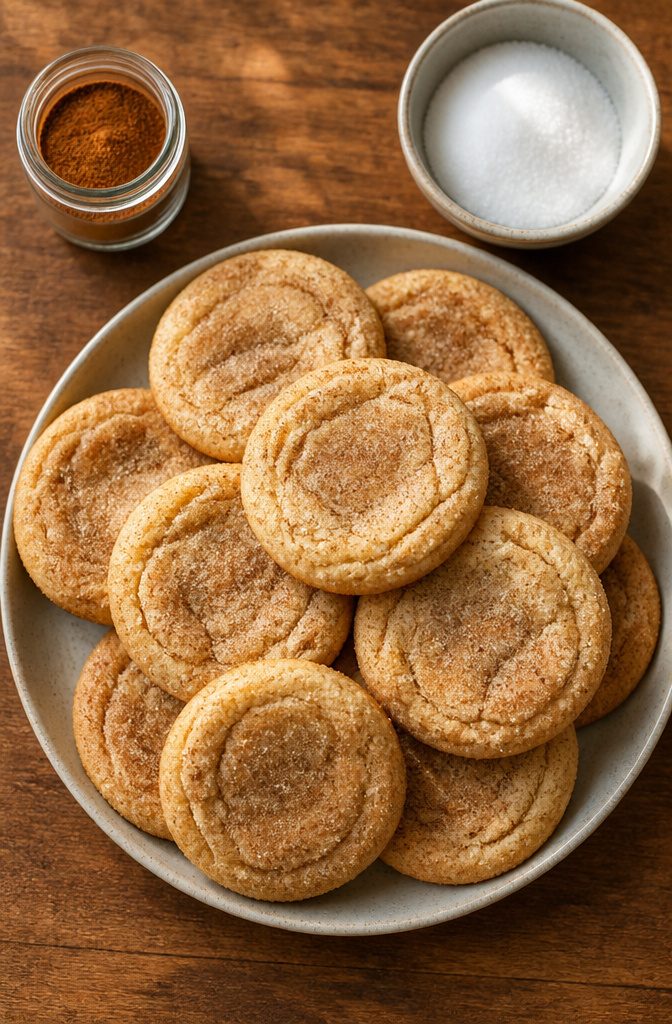
Soft sugar cookies rolled in cinnamon sugar carry a sharp, clean tang that separates a real snickerdoodle from an imposter.
That tang comes from cream of tartar, and the recipe collapses without it. The acid reacts with baking soda to puff the dough and create the signature crinkled surface; skip it and you have flat, sweet nothing.
Chill the dough at least 30 minutes before baking, or the butter softens too fast and the cookies spread into greasy discs. Cold dough holds its shape long enough for the oven to set the edges while the centers stay thick.
I bake these at 375°F for 8–10 minutes, pulling the tray when the middles still look slightly underdone. They finish on the hot sheet as they cool, settling into that soft, chewy center that makes snickerdoodles worth the annual wait.
The crackled cinnamon sugar crust goes slightly crisp at the edges while the interior stays tender for days, assuming they last that long.

Product Type:Grocery

COZY COMFORT: Infuse the warm spices and delicious flavor of cinnamon rolls into your favorite sweets and treats and snacks.

The classic topping for hot, buttered toast
4. Pumpkin Pie
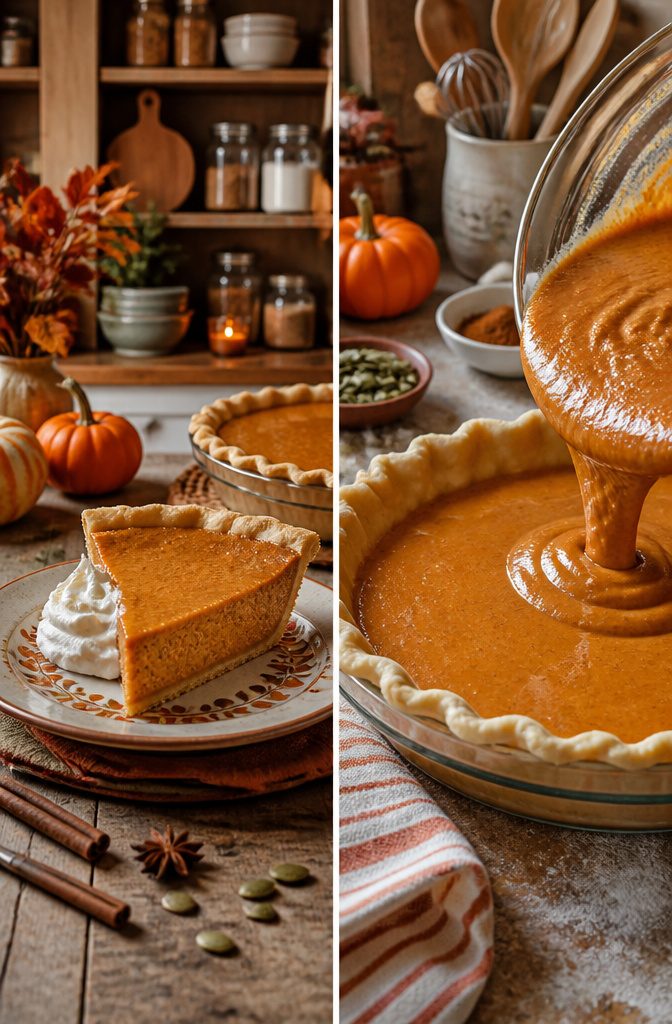
Pumpkin pie is the dessert most people picture when they think of fall baking desserts, and for good reason.
The custard filling, set with eggs and sweetened with sugar, carries spice and evaporated milk in proportions that have been tested in American kitchens for generations.
Fresh pumpkin roasts down to something watery and inconsistent, so Libby’s canned puree wins for reliability; most printed recipes calibrate to its density, and swapping in roasted sugar pumpkin without adjusting liquid throws the set.
Blind-baking the crust is non-negotiable if you want a bottom that shatters instead of bends.
Prick the dough, weight it, and bake it pale before the filling goes in. Skip this, and the custard seeps through and turns the base to paste.
The filling itself comes together in one bowl. Pour it into the par-baked shell and start the oven at 425°F for fifteen minutes.
That blast sets the edges. Drop to 350°F and bake until the center wobbles like Jell-O that has just set, usually forty to fifty minutes more.
Pull it then; carryover heat finishes the job. Cool completely before slicing, or the custard weeps onto the plate.

One 5 ounce container of Cream of Tartar

Non-GMO project verified

All-natural ingredient essential to holiday baking
5. Caramel Apple Cake
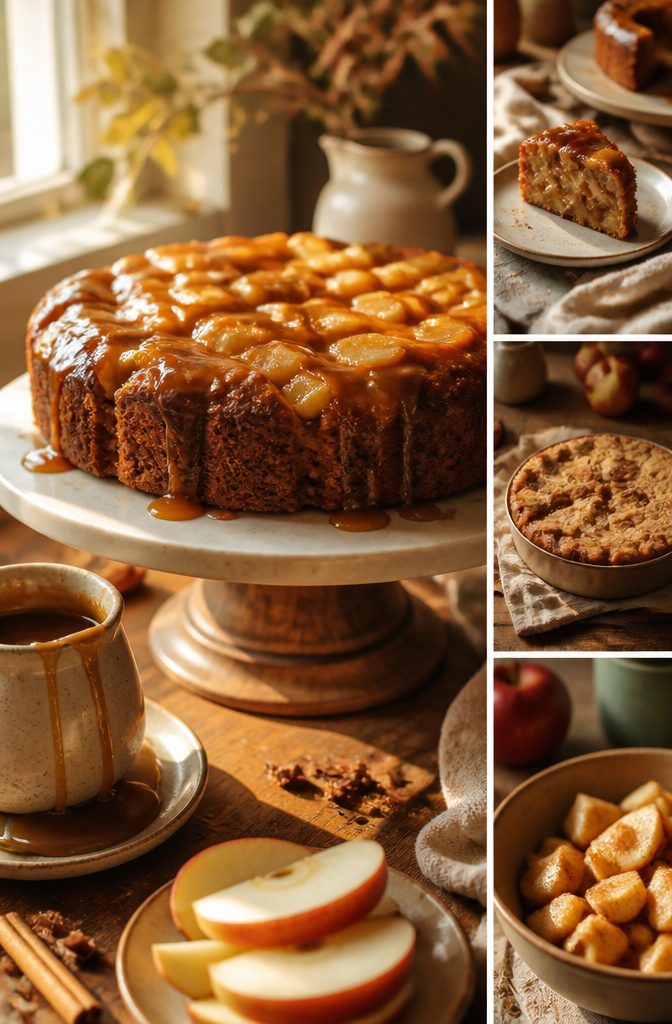
A sheet cake with fresh apple chunks and a caramel glaze poured over while warm sits at the exact center of what fall baking desserts should feel like.
The apples keep the crumb moist for days after baking, which matters more than it sounds when you are slicing pieces through Thursday for a cake you made Sunday.
Use a firm baking apple that holds its shape through the oven heat. Soft varieties turn to applesauce pockets, which is not the point; you want distinct bites of tender fruit scattered through each forkful.
The caramel starts with brown sugar, butter, and cream boiled until it coats the back of a spoon. Pour it over a cooled cake, not a warm one, and it sets to a soft chew rather than hard crack.
The temperature difference is the whole trick. I learned this watching the glaze shatter and slide off a cake I rushed, the pool of sugar hardening on the plate like failed candy.
Now I set the baked cake on a rack, go do something else for twenty minutes, then pour. The caramel sinks in just enough to grip the surface without disappearing, and the texture stays right through the second day.

8 FALL DESIGNS: Includes 8 unique autumn-themed molds to create festive mini pies perfect for Thanksgiving and holiday baking.

SEASONAL FLAVOR: Pumpkin and spice snickerdoodle cookie mix combines classic snickerdoodle taste with warm fall spices and real pumpkin powder

6. Brown Butter Pumpkin Cookies
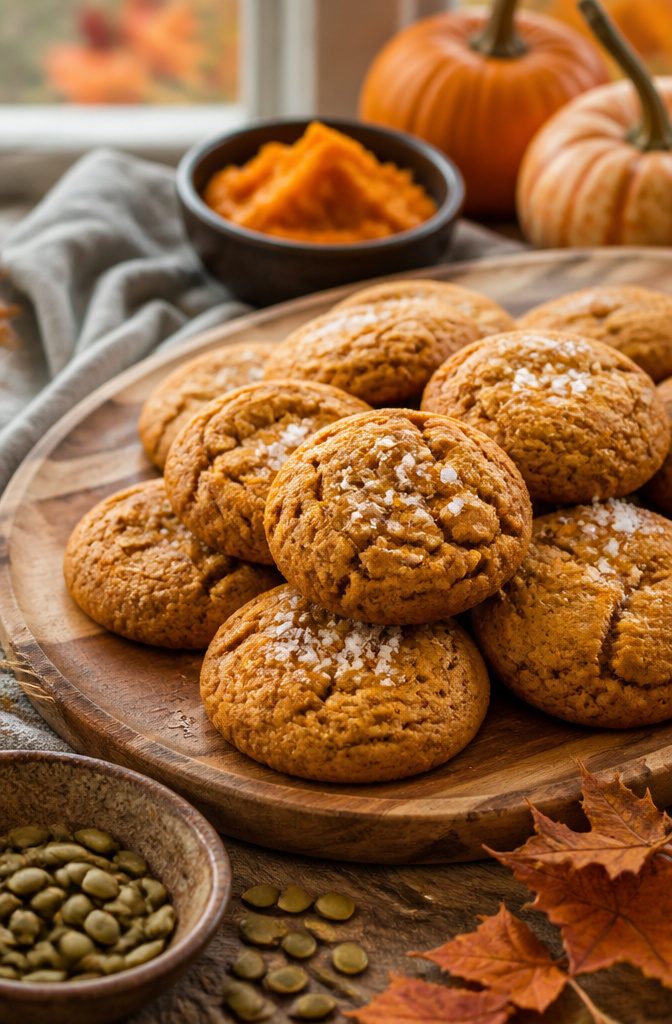
Browning butter for pumpkin cookies takes an extra seven minutes and changes everything.
The milk solids toast until they smell like hazelnuts, and those solids are the flavor; leave them in the pan and they go down the drain with the sink.
Pour the butter into a heatproof bowl and let it cool to room temperature, about thirty minutes. Mix it in hot and you get scrambled egg, not cookie dough.
Pumpkin adds moisture, so these spread less than standard drop cookies and bake up thicker and softer. The dough feels stiffer going onto the sheet.
I bake them at 350°F for 10–12 minutes, pulling when the edges look set but the centers still seem slightly underdone. They firm up as they cool.


SWEET AND SATISFYING: Fall in love with fall flavors. The perfect blend of pumpkin and spices in Krusteaz Pumpkin Spice Quick Bread Mix creates a mouthwatering taste that complements everything from a warm cup of coffee to a Thanksgiving feast.

SWEET AND SATISFYING: Fall in love with fall flavors. The perfect blend of pumpkin and spices in Krusteaz Pumpkin Spice Quick Bread Mix creates a mouthwatering taste that complements everything from a warm cup of coffee to a Thanksgiving feast.
7. Cinnamon Rolls
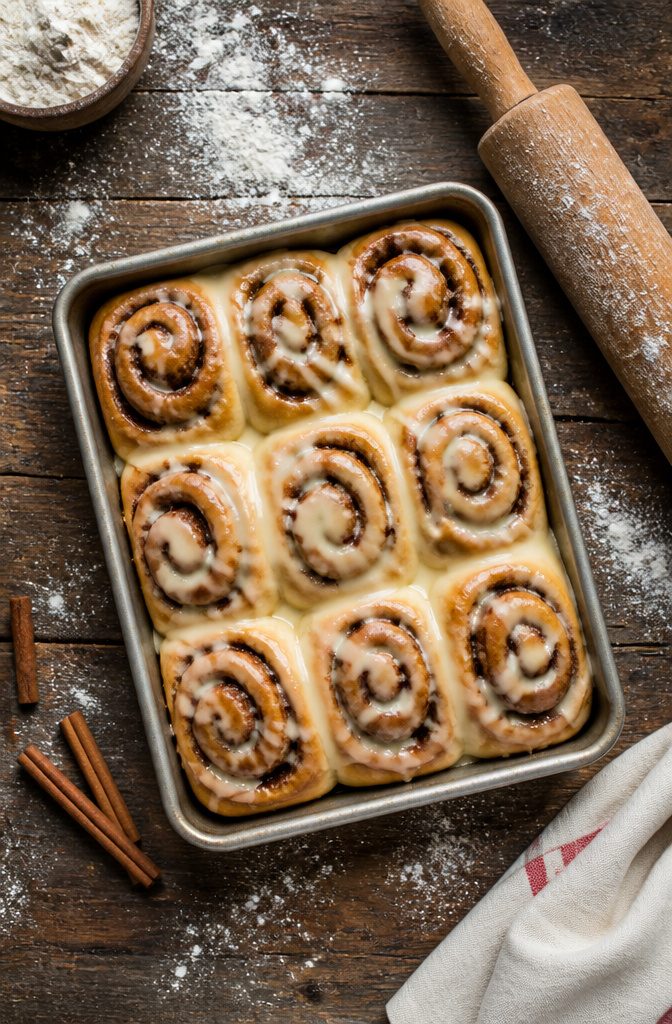
Yeasted cinnamon rolls belong in any lineup of fall baking desserts that leans on warmth and patience. The dough needs egg and butter, which enriches it but also slows the rise.
Cold kitchens in October and November stretch that first rise even longer; a barely-warmed oven, just a minute or two on and then off, gives the yeast a fighting start without cooking it.
Rolling the rectangle tight matters more than the exact dimensions. A loose spiral unravels in the pan and bakes into gaps.
Dental floss slices cleanly through the coil without squashing the layers the way a dull knife will. A serrated blade works too if you saw gently and do not press down.
Bake at 375°F until the tops turn golden, usually 20–25 minutes depending on your pan.
Frost them while they are still warm, not hot. The glaze needs enough heat to seep into the spiral but not so much that it slides straight to the bottom of the pan.

Delectable Topping: Streusel is a crispy, sweet crumb topping made from flour, fat, and sugar.

You'll get one, twelve count box of individually wrapped Dave's Killer Bread Apple Cinnamon Crisp Organic Breakfast Bars

Fruit Crisp Mix Oat Streusel Pie Topping
8. Pecan Pie
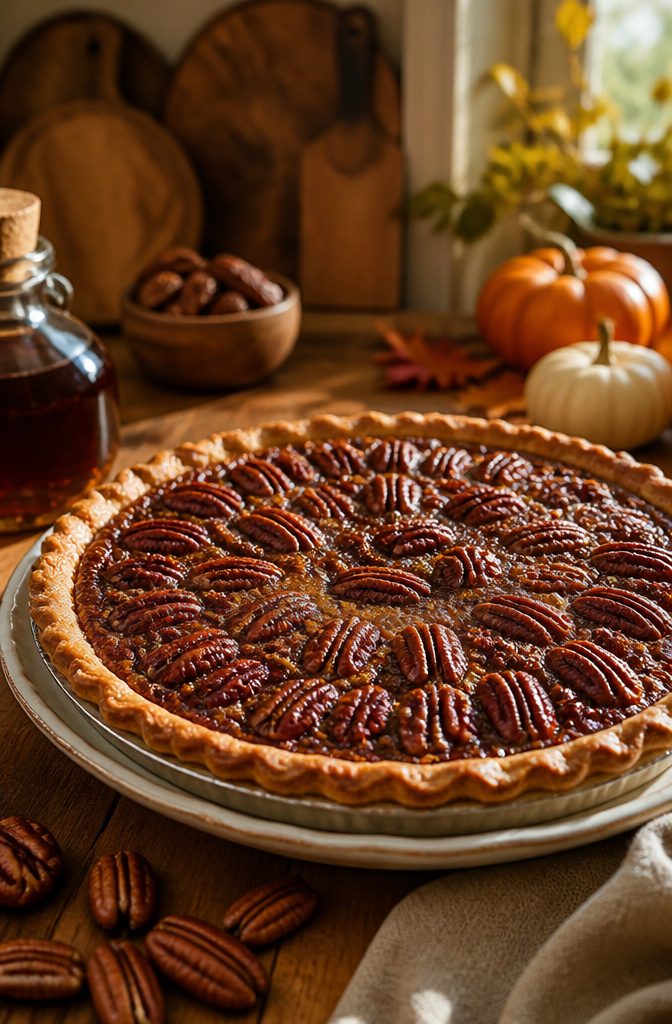
A true pecan pie is a custard pie, which means the filling thickens from eggs and sugar rather than flour or starch. The pecans stay on top, floating in that dark, glossy layer while the custard sets underneath.
Dark corn syrup gives the classic flavor and chew, though maple syrup works as a substitute if you prefer it. The texture turns slightly softer and less elastic with maple, still good but different enough to notice.
Toast the pecans first.
Ten minutes on a sheet pan at 350°F deepens their flavor past what raw pecans give you, and the butteriness carries through the bake. Spread the nuts in a single layer so they color evenly.
The filling puffs dramatically in the oven, doming like a soufflé, then settles back as it cools. That settling is normal; the surface cracks slightly and the interior tightens to its final texture.
Bake at 350°F for 50–60 minutes, until the center jiggles in one solid mass but does not slosh when you nudge the pie plate. A loose, liquid center means more time.

Sugar Free Brown Sugar Cinnamon Coffee Syrup: Sweet brown sugar blended with warm cinnamon, without the sugar, for a cozy spiced flavor that feels smooth and comforting in every sip.

AUTHENTIC CINNAMON ROLL FLAVOR: Sweet, warm cinnamon roll taste enhances every baked good, beverage, and dessert. Adds cozy bakery-style flavor to cookies, cupcakes, coffee, pancakes, and French toast—perfect for fall and holiday baking.

Sweet spice blend: Combines the warmth of Cinnamon with Cane Sugar for a comforting flavor boost
9. Pumpkin Cheesecake
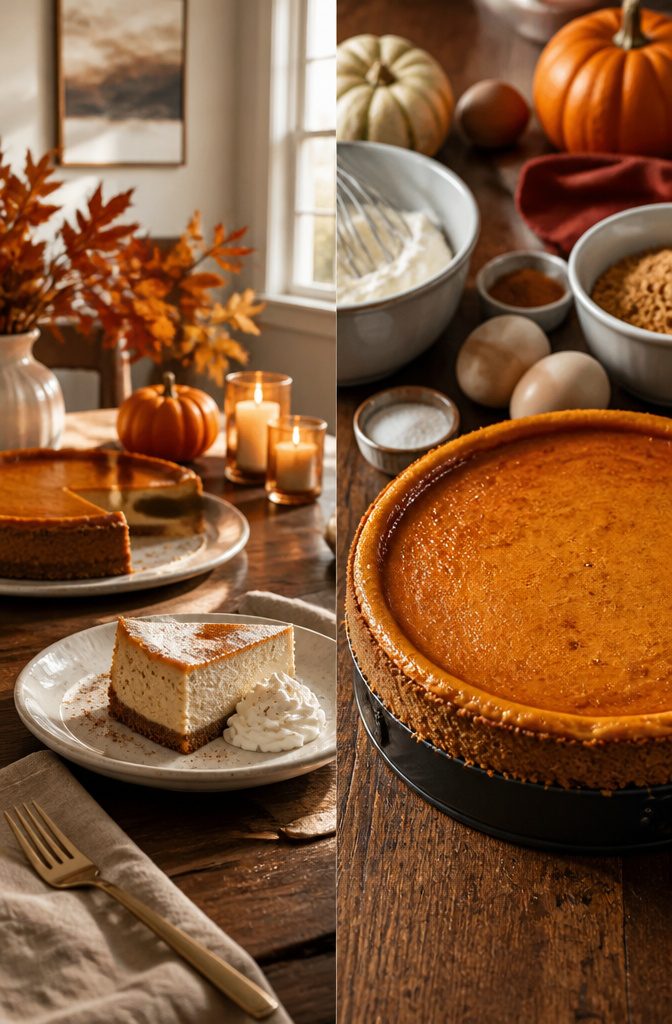
A water bath is what keeps the top smooth, though plenty of home bakers skip it and cover cracks later with a sour cream topping instead.
Full-fat cream cheese left at room temperature blends cleanly; cold blocks leave lumps that do not bake out. The batter goes into a springform at 325°F for roughly an hour, until the center still jiggles slightly.
What convinced me, reading through a dozen of these recipes, is the cooling method: turn the oven off, crack the door, and let the cheesecake sit inside.
The slow drop in temperature keeps the surface from splitting as it contracts. Rushing it straight to the counter undoes the careful bake.

100% NATURAL CREAM OF TARTER POWDER- Gluten free white acidic powder for baking usage, for cakes, pies, cookies, cupcakes, berry pavlova, bath bombs, biscuits and for other tricky baking goods, also for playdough crafting


Cream of Tartar - Frontier Co-op Cream of Tartar is a pure, all-natural powder made from high-quality tartaric acid. A versatile baking essential that helps perfect a wide range of recipes.
10. Maple Pecan Bars
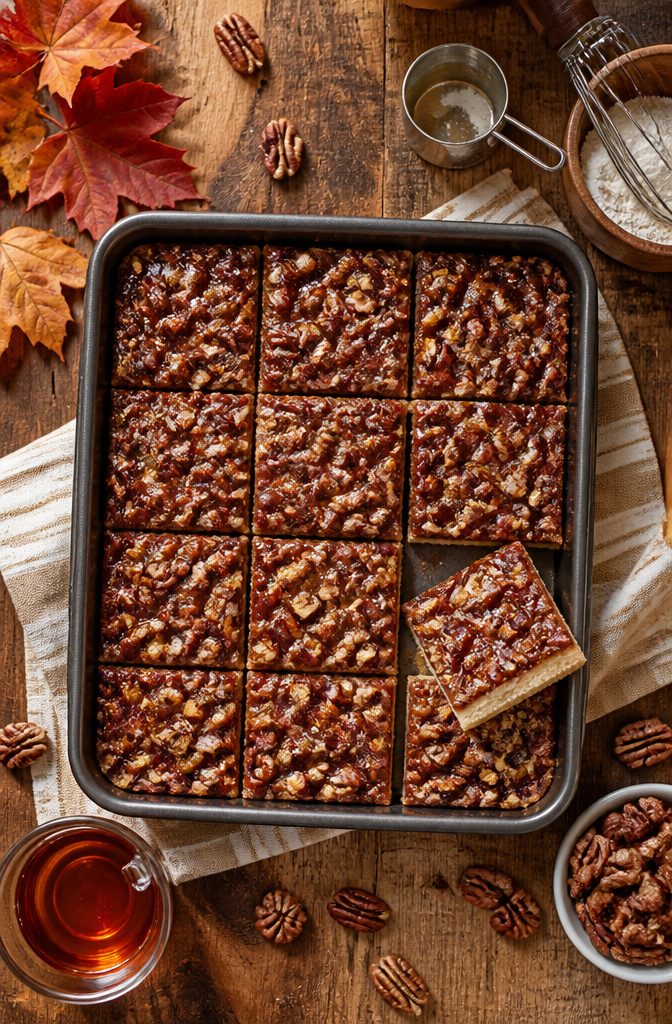
A crisp shortbread base keeps these bars from turning into pecan pie soup on a plate.
The trick is blind-baking the crust first, before the filling ever touches it. Without that head start, the wet maple-pecan layer seeps in and the bottom goes soft within a day.
Pure maple syrup matters here.
Pancake syrup, which is mostly corn syrup with maple flavoring, gives you sweetness without depth. The real stuff carries its own caramel and wood notes that balance the pecans instead of just coating them.
The filling comes together like a thinner pecan pie batter. Pour it over the par-baked shortbread, scatter the nuts, and bake at 350°F until the topping bubbles across the whole surface and the edges turn a darker brown.
That takes 20 to 25 minutes, and the bubbling tells you the sugars have hit the right set point.
The hardest part is the wait.
Cut too soon and the warm filling slides off the shortbread layer, ruining the clean square you’re after. Two hours at room temperature, minimum, lets everything firm into distinct layers that hold a knife edge.

2-PIECE PUMPKIN PIE CENTERPIECE SET: Includes a 4" Pie Slice and 4.25" Elegant Plaque cookie cutter designed to help create a festive cookie centerpiece for your holiday table.

Delightful Pumpkin Spice Flavor: Indulge in the rich taste of pumpkin spice with warm cinnamon, ginger, nutmeg, clove, and mace, in our Gluten Free Pumpkin Chocolate Chunk Cookie Mix, perfect for crafting delectable fall baking treats!

11. Chocolate Pumpkin Muffins
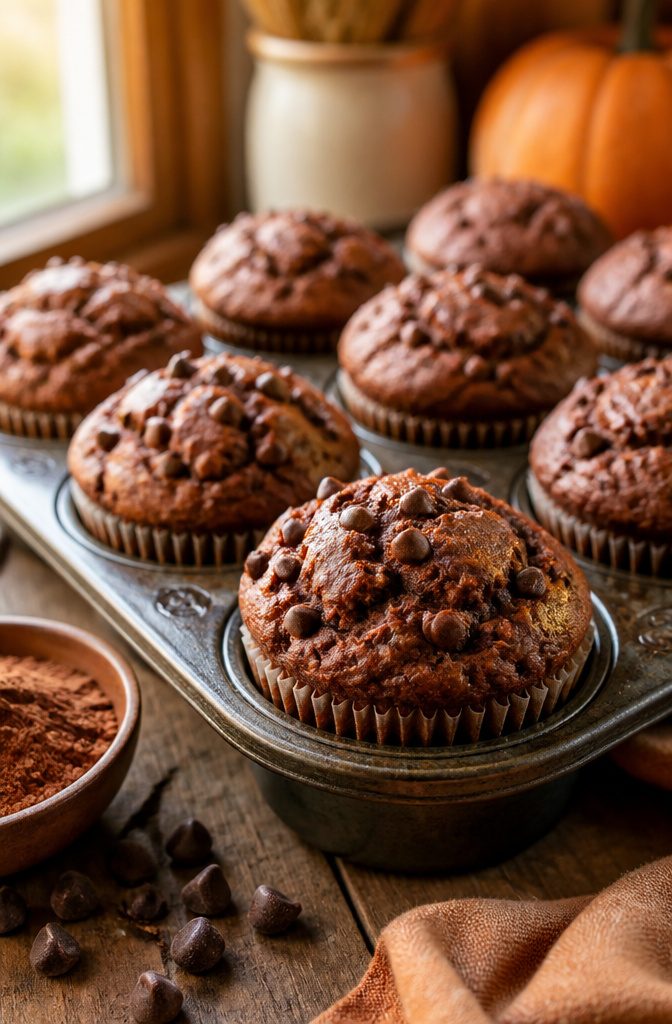
The batter for these muffins runs wetter than the standard mix, which is exactly what keeps the crumb tender.
Pumpkin puree replaces some of the fat and carries moisture through the bake, while cocoa powder gives the chocolate depth without making things heavy.
Stop mixing as soon as the dry ingredients disappear; overworking the batter opens tunnels through the center that ruin the texture.
Mini chocolate chips beat full-size here. They stay suspended instead of sinking, so every bite carries chocolate rather than every third one.
The oven should read 375°F, and the standard 12-cup tin needs 18–22 minutes. The tops spring back when they are done, though a toothpick through the center still comes out with a few moist crumbs clinging.
A full batch cools on the rack for ten minutes before the muffins release cleanly.
Wrap the extras once they are fully cool; they freeze well for a month without the crumb suffering. Thaw overnight on the counter or give one thirty seconds in the microwave straight from the freezer.
12. Apple Cider Donuts
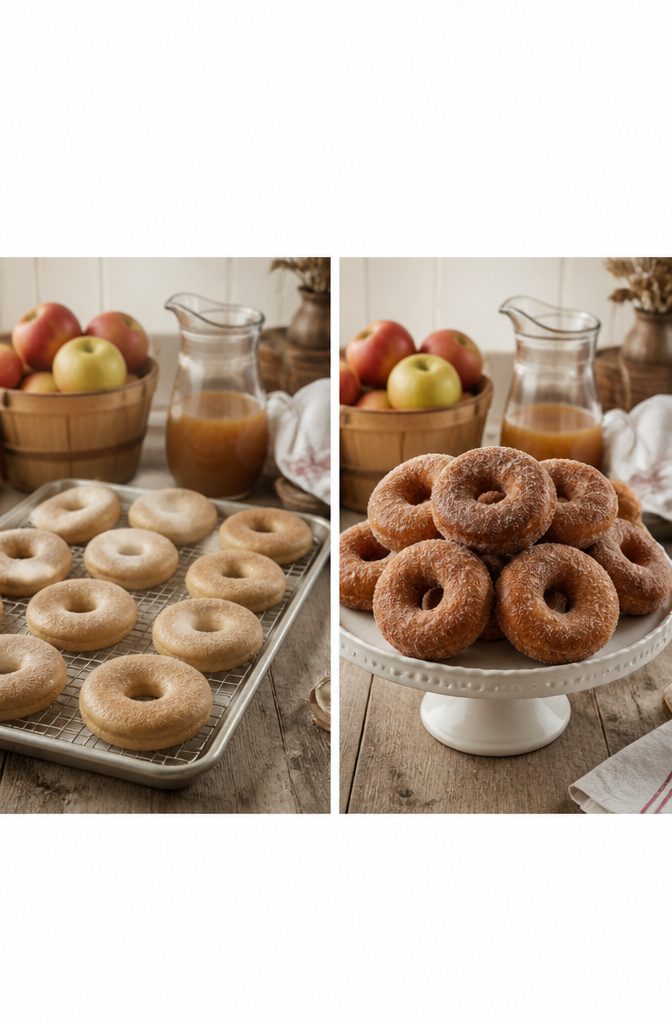
Cake donuts built on reduced apple cider carry more apple flavor than any raw-cider batter I’ve tried.
Most recipes call for cider without mentioning the reduction step, and the difference is stark: simmer the cider down to about a third of its starting volume first, then let it cool before it meets the dry ingredients.
Without that concentration, the apple taste barely survives the fryer.
The dough stays sticky, which is why a half hour in the refrigerator helps. It firms up enough to handle without adding so much flour that the donuts turn heavy.
Frying at 350°F for roughly two to three minutes per side gives the classic crackly exterior. A donut pan at 375°F for 10–12 minutes is the cleaner route; the texture turns softer, more cake than crust, but cleanup shrinks dramatically.
Either way, toss them in cinnamon sugar while they still hold heat from the pan or oil. The coating sticks only when the surface is warm enough to melt the sugar slightly into something that clings.
13. Pumpkin Spice Truffles
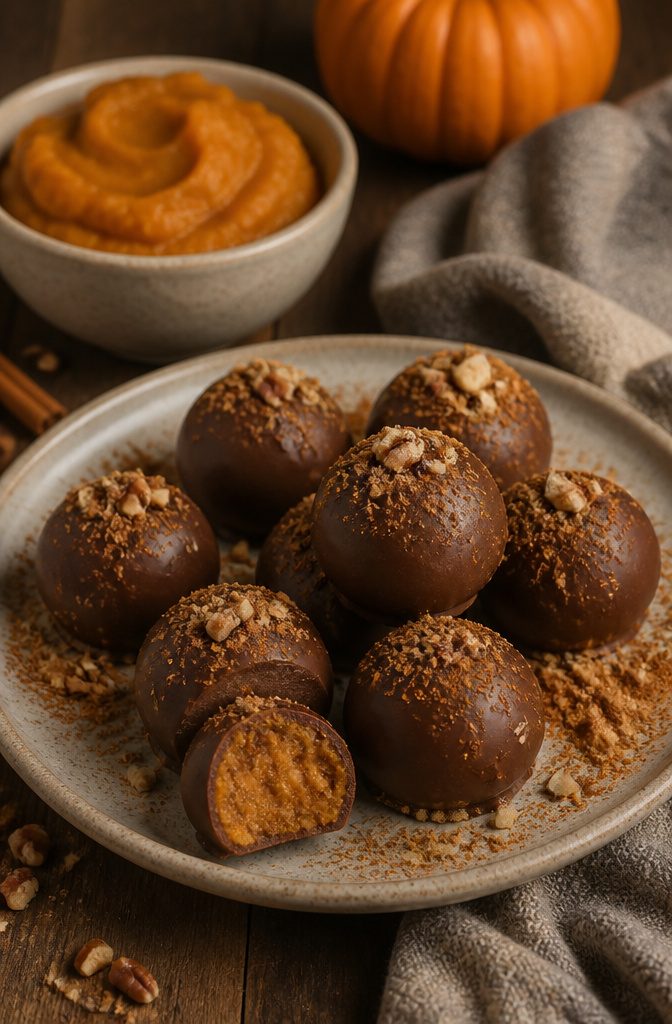
Pumpkin spice truffles sit somewhere between candy and cheesecake, which is exactly the problem. Cream cheese, pumpkin puree, powdered sugar, and warm spices make a filling that tastes like fall but behaves like soft frosting.
The first time I tried to roll the mixture into balls, it clung to my palms and flattened into puddles. Chill the mixture at least two hours before shaping, and even then, work quickly.
A small cookie scoop keeps the size uniform so they finish at the same rate.
Once shaped, the balls need another cold stint, this time in the freezer. Warm melted chocolate will otherwise melt the filling on contact, turning a neat dip into a lumpy coat.
These stay softer than traditional ganache truffles even after setting, so they need to live in the refrigerator, not the counter. Plan to serve them chilled, and tell anyone you hand them to to eat fast or put them back.
14. Brown Butter Apple Blondies
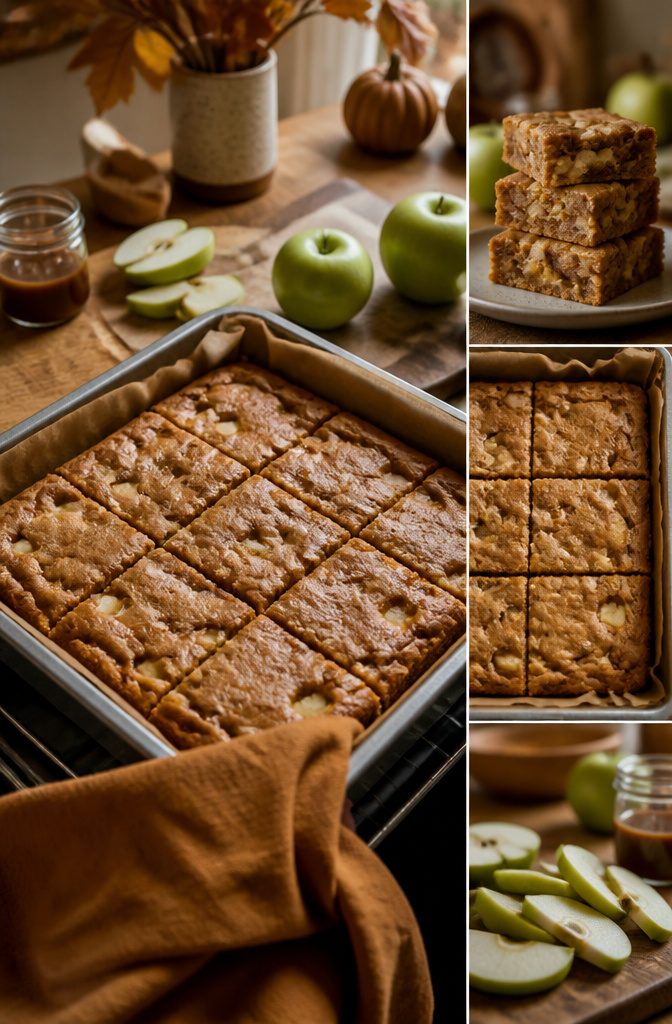
Browning the butter first is non-negotiable for these blondies.
The milk solids toast until they smell like hazelnuts, and that depth carries through the whole bar. Let it cool before you mix the batter or the eggs scramble on contact.
The apple dice matters more than the variety.
Pieces smaller than a half-inch cook through in the short bake time without turning to sauce. Granny Smith holds shape best; Honeycrisp works if you cut it slightly smaller to account for the higher moisture.
The base bakes dense and fudgy, closer to a brownie than cake, but without any cocoa to hide behind.
An 8-inch square pan at 350°F for 25–30 minutes gives the right texture. The center should still cling to a tester with moist crumbs when you pull it; carryover heat finishes the rest as it cools.
I learned the hard way that lining the pan with parchment in both directions beats greasing. The blondies release clean, and the browned butter makes them sticky enough to tear without it.
15. Pumpkin Chocolate Chip Cookies
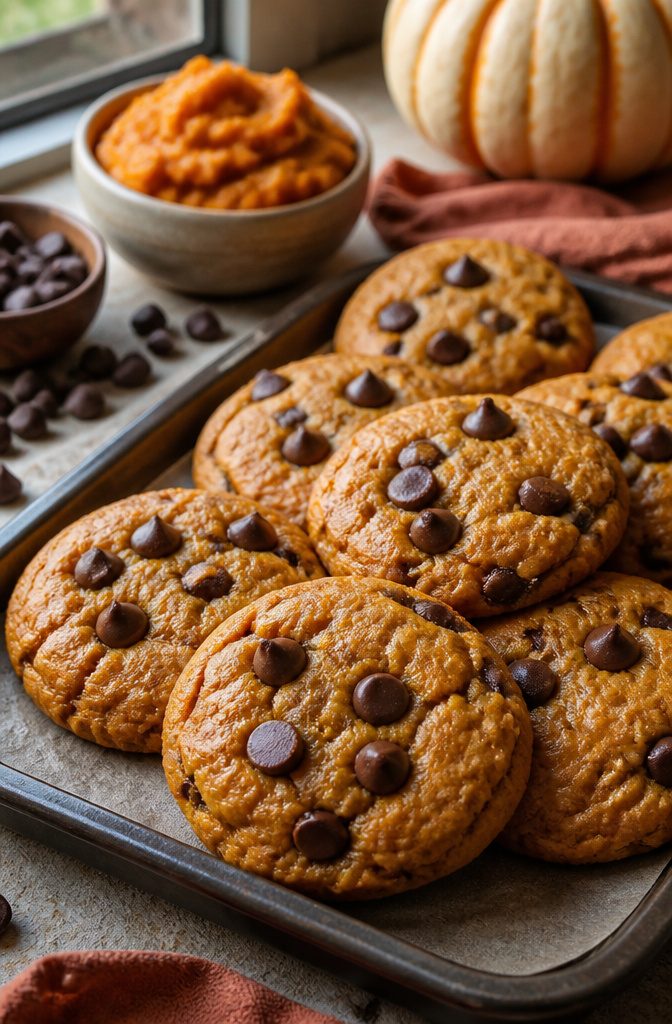
Pumpkin chocolate chip cookies bake up soft and cake-like, almost muffin-top in texture rather than anything resembling a thin, crisp cookie.
The pumpkin puree keeps the dough wet and heavy, so the rounds puff in the oven instead of spreading into disks. Do not expect golden, lacy edges.
Chocolate chips sink in that moist batter, which means the finished cookies can look patchy and pale on top. Press a few extra chips onto each mound right before baking; it solves the appearance without changing anything else.
A 350°F oven and 10–12 minutes is the window. The centers should look slightly underdone when you pull the tray; they set as they cool.
The same pumpkin moisture that makes the texture appealing also shortens their shelf life.
These stale faster than standard chocolate chip cookies, turning damp and then gummy instead of drying out. An airtight container helps, but plan to eat them within a couple of days or accept that the texture shifts.
Seasonal Ingredients
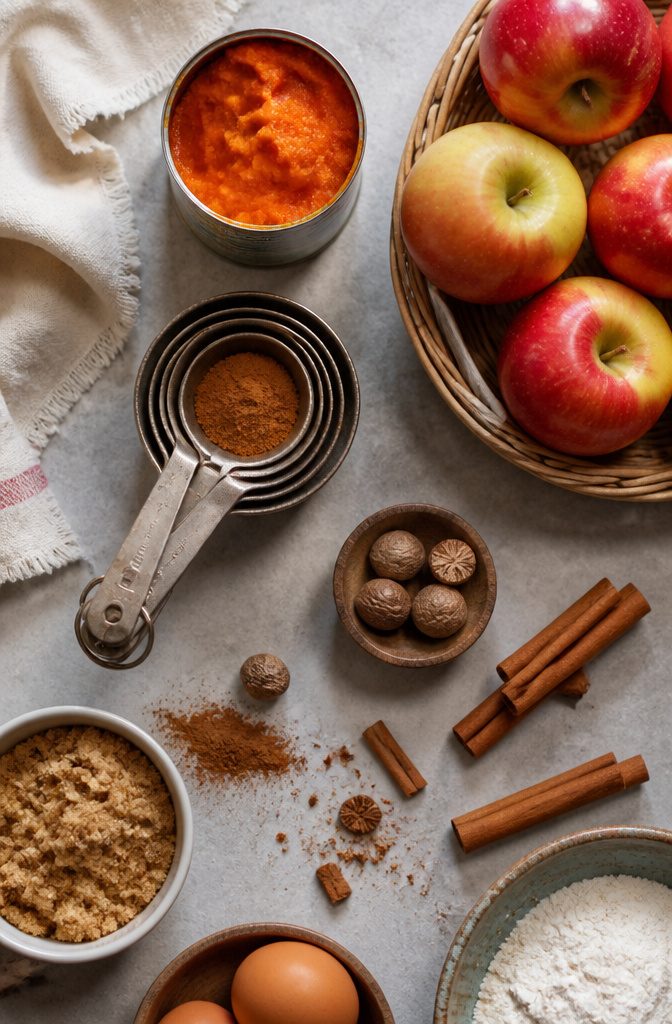
Pumpkin puree from the baking aisle is the workhorse of fall baking, and canned puree is different from pie filling, which comes presweetened and spiced.
Check the label every time. The puree itself is plain cooked squash, dense and slightly earthy, and it needs the full spice set to taste like dessert.
Apples split cleanly into two camps. Firm varieties with tart flesh hold their shape through baking; softer, sweeter ones collapse into sauce.
That collapse is fine for applesauce, but a pie or crisp needs structure. I learned this the expensive way with a batch that ended up soupier than intended.
The spice set runs cinnamon, nutmeg, cloves, ginger, and allspice. Ground cinnamon sees the heaviest use and the fastest turnover in my kitchen, so freshness matters less of a concern there.
Whole nutmeg, kept on the counter and grated as needed, carries more volatile oil and therefore more punch than the pre-ground jar that sat in a warehouse for months. A microplane makes quick work of it.
Pumpkin pie spice blend is a legitimate shortcut, though the cinnamon-to-everything-else ratio shifts noticeably between brands.
Some lean heavy on ginger, others on cloves. For consistent results across recipes, buying the individual spices and mixing your own takes an extra thirty seconds and removes that variable.
Baking Techniques
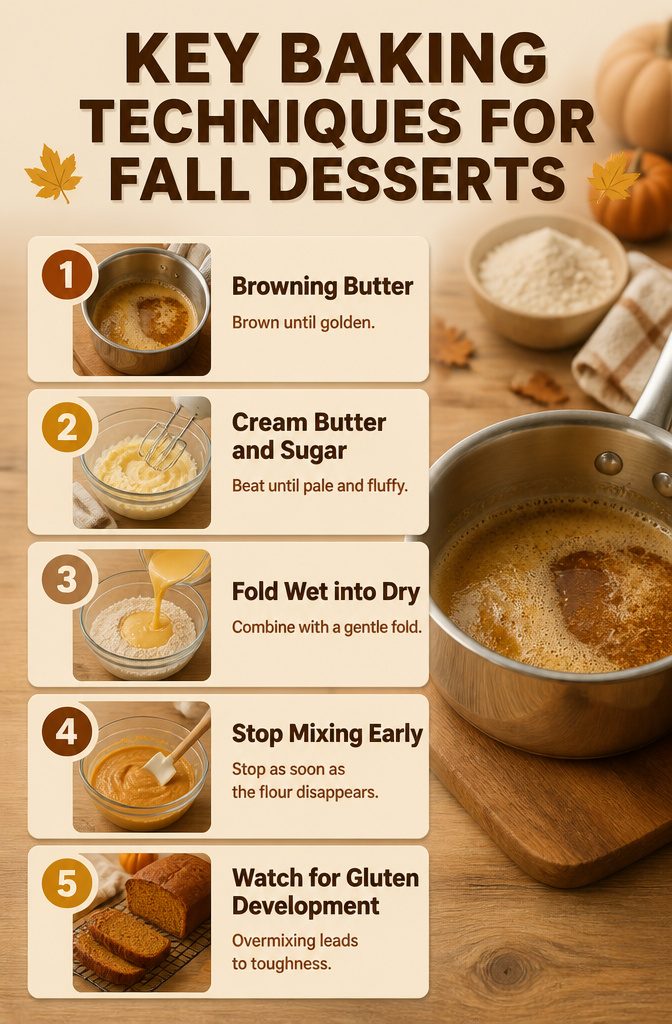
Most fall baking desserts lean on two techniques that sound trickier than they are once you know what to watch for.
Browning butter took me a few burnt batches to get right. The foam rises, then subsides, and the milk solids settle to the bottom and turn golden.
Pull it off the heat right then. Those solids go from perfect to black in about thirty seconds, and there’s no saving it after that.
The nutty flavor it gives pumpkin cookies and apple blondies is worth the attention, but it demands your eyes more than a timer.
The mixing method splits the recipes into two camps. Creaming butter and sugar, beating until the mixture turns pale and fluffy, builds the structure for cakes and many cookies.
Air gets trapped in that fat, and the oven expands it into a light crumb. Quick breads and muffins use the opposite approach: wet ingredients folded into dry with minimal stirring.
Stop mixing as soon as the flour disappears. Overworking either batter develops gluten, and in cakes that means toughness, not tenderness.
I learned that dense pumpkin bread lesson the hard way. Cookies can handle slightly more mixing than cake, but not by much.
Presentation
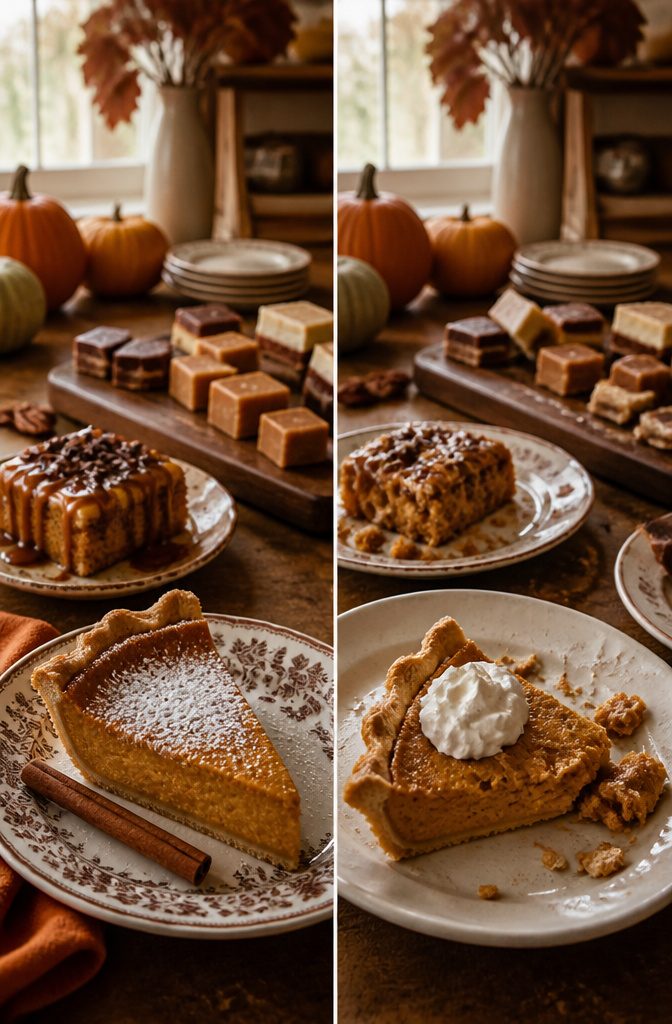
A dusting of powdered sugar through a fine-mesh sieve takes ten seconds and covers a multitude of sins.
The sieve does the work of a pastry bag without the washing, and the sugar melts slightly into anything still warm, giving a soft glaze rather than a stark coating.
For darker desserts, a fork dragged through melted chocolate or leftover caramel makes thin, irregular lines that look intentional because they are irregular.
Whipped cream from a spoon, not a tip, sits in a soft pile beside a slice rather than a rosette on top.
That placement keeps the cream cold against warm pie and avoids the collapsed architecture that happens when piped cream meets heat.
A cinnamon stick laid against the plate rim, or three raw pecans clustered near the point of the slice, reads as seasonal without reading as craft project.
A clean plate edge matters more than any garnish.
Wipe the rim with a damp towel before serving. The dessert looks finished, not decorated, and the person eating it gets the visual cue that someone cared about the details.
That distinction, between finished and decorated, is the difference between bakery case and home kitchen, and it costs nothing but a moment with a towel.
Frequently Asked Questions
What are some easy fall baking desserts?
Pumpkin bread, apple crisp, and snickerdoodle cookies all rank among the simplest recipes in any fall lineup.
Pumpkin bread mixes in one bowl and bakes for under an hour, apple crisp requires no crust to roll, and snickerdoodles come together from standard pantry ingredients.
Each forgives small mistakes, making them reliable starting points for bakers at any level.
How do I make pumpkin pie from scratch?
Start with Libby’s canned puree rather than fresh pumpkin, since fresh roasts down to inconsistent density and throws off the custard set. Blind-bake the crust first, pricked and weighted, so the bottom stays crisp rather than turning to paste.
Pour the filling into the par-baked shell, bake at 425°F for fifteen minutes, then drop to 350°F for forty to fifty minutes more until the center wobbles like just-set Jell-O. Cool it completely before slicing or the custard weeps.
What are the best spices for fall baking desserts?
Cinnamon, nutmeg, cloves, ginger, and allspice form the core set.
Cinnamon sees the heaviest use, so pre-ground works fine given the turnover. Whole nutmeg kept on the counter and grated as needed carries more volatile oil and more punch than the pre-ground jar.
Pumpkin pie spice blend is a legitimate shortcut, though the ratios shift between brands; mixing your own takes thirty seconds and removes that variable.